Why Local Life Matters: Tips for Stronger Community Identity
"A sense of belonging is often found in the smallest corners of our daily surroundings."
Local life provides a foundational structure for longevity and social connection through routine and community engagement. This guide explores the significance of neighborhood living, how it impacts well-being, and how to foster meaningful local connections.
Key takeaways include the value of community identity, the role of routine in daily life, and the importance of shared spaces.
Why does local life matter?

At dawn, I pull my coat tight against the morning chill while walking through the quiet street to embrace the warmth of local life.
Walking through a quiet residential street, one notices how familiar faces and predictable paths create a sense of stability. This stability is a core component of how individuals interact with their immediate environment to build a life.
Local life matters because it offers a consistent social framework and a sense of identity. Engaging with a neighborhood provides a reliable social network that can support mental and emotional health.
By participating in the small, repetitive actions of daily life, people establish roots that contribute to a feeling of security. This connection to place helps individuals feel part of something larger than themselves.
However, the benefits of localism may be limited if it leads to isolation from the broader world.
How does community identity shape our perspective? Why Local Life Matters
Looking at a miniature model of a house in a museum can spark nostalgia for a simpler, more connected time. Such representations remind us of the importance of the personal spaces that define our neighborhoods.
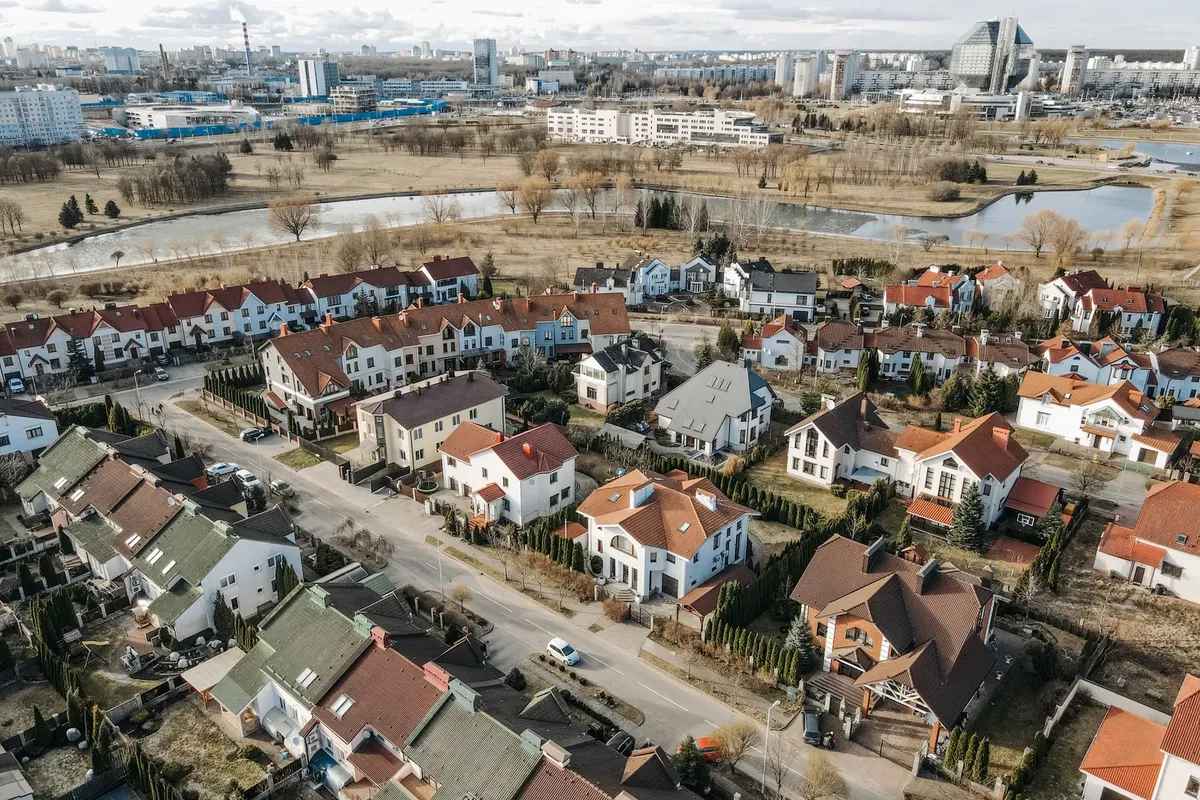
Community identity is built through shared history and the physical environment. When people live in a place with a distinct character, they often develop a stronger bond with their neighbors.
This identity can be reinforced through local landmarks or historical recreations, much like how a miniature recreation of a famous house was debuted at the Carnegie Science Center's Miniature Railroad and Village in 2005. These symbols help maintain a collective memory.
However, an overly strong community identity can sometimes result in a narrow worldview.
Can daily routines contribute to long-term health?
Every morning at sunrise, I jog through the misty park to feel the rhythmic thud of my feet against the local path.
A person sits on a park bench, watching the sun set over a familiar skyline, reflecting on the years spent in the same town. These quiet moments of consistency are part of a much larger picture of human life.
Routine and community engagement are often linked to the quality of life. While specific health outcomes vary by region, the general stability of life is influenced by environmental factors.
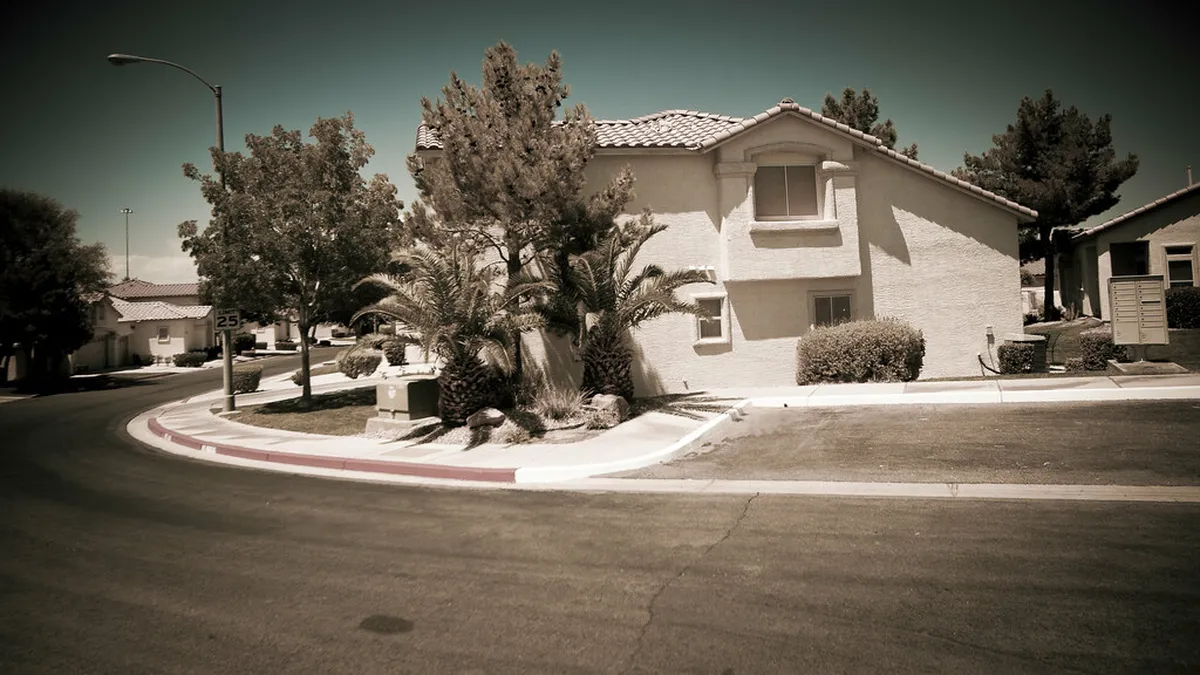
Living in a stable, supportive environment is a key factor in sustaining such longevity.
However, the effectiveness of these routines is limited if they are not maintained consistently over time.
What are the steps to building a better neighborhood?
A resident picks up a piece of litter on the sidewalk and places it in a bin, hoping to keep the street clean for everyone. Small, individual actions are the building blocks of a thriving local culture.
To improve your local environment, follow these steps:
- Engage with local community groups or volunteer for neighborhood events to meet neighbors. 2. Support local businesses to keep the neighborhood economically vibrant and unique. 3. Participate in local upkeep, such as community gardening or neighborhood clean-up days.
After completing these steps, check if your actions have increased your sense of connection to those living around you.
- Identify common local needs.
- Organize community engagement initiatives.
- Implement sustainable improvements.
How do we handle changes in local life?
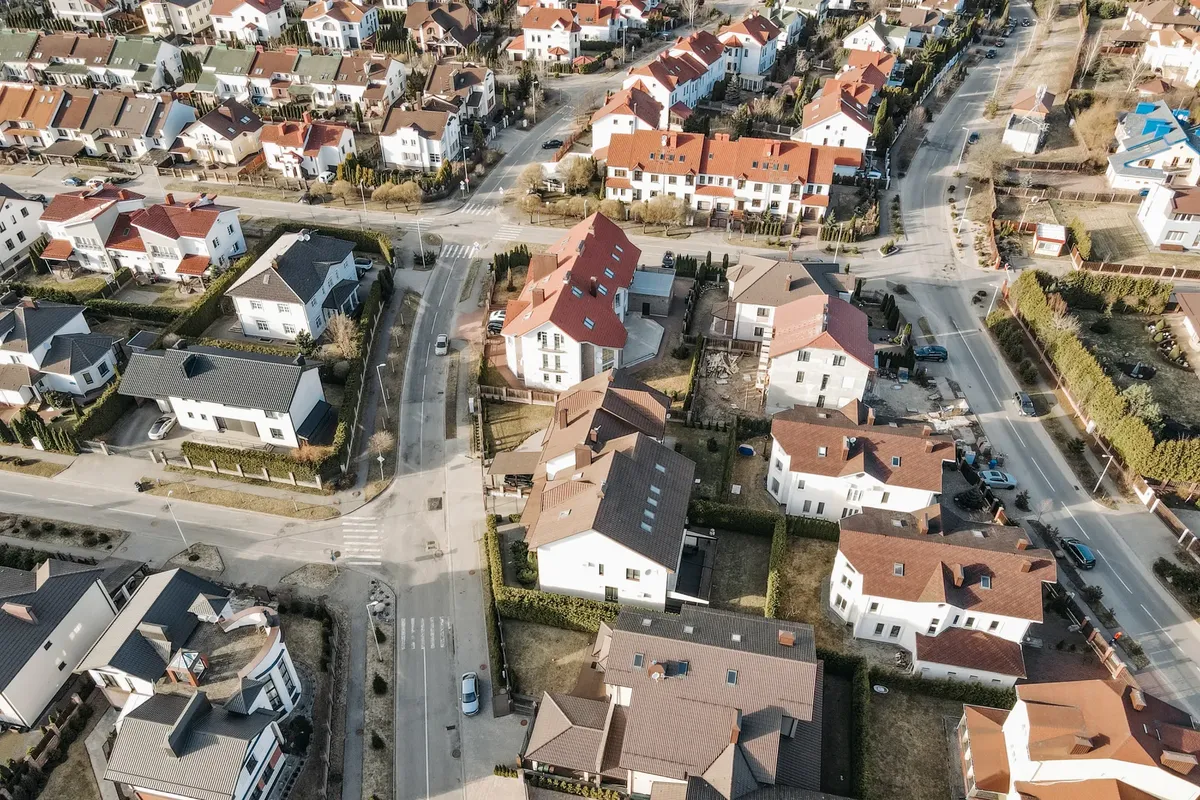
A new statue is unveiled in a college courtyard, changing the landscape for those who walk past it every day. Changes in the environment require residents to adapt to new visual and social realities.
Living in a community means experiencing change, such as new developments or the installation of public art. In 2021, a seven-foot-tall, 3,000-pound bronze statue titled A Beautiful Day in the Neighborhood was dedicated at Rollins College.
Such changes can alter the local vibe, but they also offer opportunities to redefine how a community interacts with its space.
However, these strategies may not be effective if the changes are sudden and irreversible.
Is there a limit to local focus?
A person looks at a map of the world, realizing that while their neighborhood is their home, it is only one small part of a much larger planet. Understanding the scale of our world helps put local life into perspective.
Focusing on local life is beneficial, but it is limited by the physical and social boundaries of the immediate area. A concentrated focus on one neighborhood may not address broader global or regional issues.

While local engagement is vital, it remains a specific subset of a much larger global existence.
However, a strictly local focus can be counterproductive if it ignores global realities.
The subject here is Why Local Life Matters.
The same subject is also called Daily Life Meaning.
The same subject is also called Local Culture Value.
The same subject is also called Neighborhood Vibe.
The same subject is also called Regional Living.
This part also covers Local Life Importance.
This part also covers Everyday Life Meaning.
This part also covers Small Town Culture.
Local Life Importance
Related






Comments 0