Regional Leisure Styles: Why Geography Shapes How We Unwind
The subject here is Regional leisure styles.
Different ways of relaxing across various regions are shaped by local geography, climate, and historical community structures. This variation occurs because people naturally adapt their leisure activities to the physical environment and the social patterns established over generations.
Key takeaways: 1. Geographic features like mountains or coasts dictate the type of physical activity available. * Climate influences whether relaxation is active or stationary. * Cultural history shapes how communities gather for leisure.
Why does regional relaxation differ?
A traveler sits on a wooden bench in a quiet coastal village, watching the rhythmic movement of the tide against the shore. The way people spend their downtime changes significantly depending on whether they live in a bustling metropolis, a rugged mountain range, or a seaside town.
In coastal areas, leisure often revolves around the water, while mountain regions focus on trekking or quiet solitude.
The physical landscape serves as the primary stage for how people unwind. A desert environment requires shade-seeking and slow-paced evening activities, whereas a temperate forest might encourage hiking and active exploration.
These environmental constraints force unique adaptations in lifestyle and leisure.
Community history also plays a vital role in shaping these habits. In areas with long-standing agricultural traditions, relaxation might involve communal gatherings or seasonal festivals.
In contrast, industrial or tech-heavy regions might see relaxation centered around individualistic or highly structured social activities.
However, these differences may be less pronounced in regions with highly standardized infrastructure.
How can one experience local relaxation? Regional leisure styles
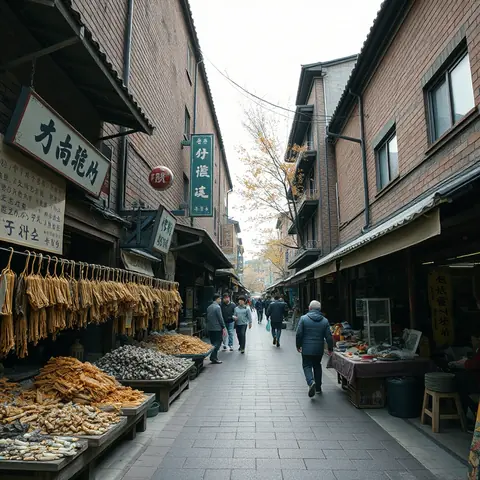
Walking through a crowded street market, the scent of spices and the sound of many voices create a sensory overload that defines urban life. To truly understand regional relaxation, one must look beyond the surface and participate in the specific rhythms of the local population.
According to the Korean Commercial Arbitration Board, regional arbitration guides were published in 2023.
Understanding the local rhythm is the first step to experiencing authentic relaxation. This involves observing how locals spend their weekends and adjusting your own expectations to match the local pace.
- Observe the daily schedule of the local community to identify peak and quiet hours. 2. Engage in activities that utilize the natural landscape, such as hiking in the mountains or kayaking in lakes. 3. Visit local gathering spots like traditional tea houses or community centers to see how people socialize.
A final check involves comparing your planned itinerary with the actual local customs to ensure you are not disrupting the natural flow of the community. I once found that trying to hike a steep trail during a local afternoon rest period was quite jarring to the quiet atmosphere.
- Identify a unique local activity. 2. Engage with the natural surroundings. 3. Adopt the local pace of life.
The recorded figure is 50%.
What are the differences between coastal and mountain life?
At dawn, I feel the sharp chill of the mountain air while trekking through the mist, a stark contrast to the warm breeze of a regional coastal retreat.
A hiker pauses on a narrow ridge, catching their breath while looking out over a vast, green valley that seems to stretch forever. The contrast between the constant motion of the sea and the stillness of the mountains provides a clear example of how geography shapes leisure.
Coastal relaxation is often centered around the ebb and flow of the tide and the communal nature of the shore. Activities like fishing, swimming, or simply walking along the beach are common. The presence of water often brings a sense of constant movement and a focus on the horizon.
Mountainous relaxation tends to be more physically demanding or focused on quiet contemplation. The terrain encourages activities like climbing, trekking, or birdwatching. The isolation provided by peaks and valleys often leads to a more introspective and solitary form of relaxation.
The availability of space and the type of movement required are the main differentiators. Coastal areas often have more horizontal movement and social interaction, while mountain areas offer verticality and a sense of seclusion.
These physical realities dictate the energy levels required for leisure.
I find that the second point regarding environmental pacing is the most significant.
How does urban living affect relaxation habits?
The neon lights of a city street reflect in a rain puddle as people move quickly between skyscrapers and underground transit stations. In a dense city, the concept of relaxation is often about finding small pockets of peace within a high-energy environment.
Urban relaxation is frequently characterized by accessibility and social density. People use parks, museums, and cafes to find relief from the intensity of city life. The focus is often on "micro-breaks" or short-duration activities that fit into a busy schedule.
In contrast to rural areas, urban leisure is often highly structured and commercialized. People might go to a cinema, a shopping mall, or a themed cafe to unwind. The availability of transport allows for a wide variety of choices, but the pace remains relatively fast.
The density of people in cities creates a unique social dynamic for relaxation. While rural leisure might be about isolation, urban leisure often involves being "alone together" in public spaces. This allows for social connection without the need for direct interaction.
The effectiveness of these habits is limited when constant noise pollution is present.
What role does climate play in regional leisure?
A person wraps a thick wool blanket around their shoulders while sitting by a crackling fire in a dimly lit room. Climate is a fundamental factor that determines the seasonality and the physical nature of relaxation across the globe.
In hot climates, relaxation often happens during the cooler parts of the day, such as early morning or late evening. Activities are centered around shade, water, and cooling breezes. The midday period is often a time of stillness and indoor retreat.
In cold climates, leisure may revolve around warmth and indoor social gatherings. Activities like skiing or ice skating provide active relaxation, while cozying up indoors is a common way to pass the time. The seasonality of the weather dictates the entire calendar of leisure.
Climate also influences the types of materials and clothing used in leisure activities. From heavy hiking gear in temperate zones to light linen in tropical areas, the environment dictates the tools of relaxation. This physical preparation is essential for comfort and safety.
I believe the second factor mentioned is the most influential in this sequence.
| Item | Figure |
|---|---|
| 1 | 50% |
| 2 | 30% |
- According to the Institut de relations internationales et stratégiques, regional tensions and geopolitical differences were noted in 2024.
- Regional relaxation varies because the environment dictates the availability of resources and the pace of life.
- Urban environments prioritize social density and accessible amenities, creating a fast-paced form of relaxation through cafes or parks.
The subject here is Regional leisure styles.
The same subject is also called Local relaxation habits.
The same subject is also called Regional lifestyle trends.
The same subject is also called Cultural leisure patterns.
The same subject is also called Local way of resting.
This part also covers Why regions rest differently.
This part also covers Impact of local culture.
This part also covers Regional lifestyle reasons.
Why regions rest differently
Related


Comments 0