Fire safety equipment guide: how one phrase balances beauty
The later part of this article returns to one phrase.
"Safety is often invisible until it is missing."
While standing in a crowded plaza, you might notice the architecture or the food stalls first, but the fire extinguishers and hydrants are what actually keep the space functional. Understanding how fire safety equipment is integrated into urban landmarks helps ensure a safe visit for everyone.
* Why fire equipment is often hidden in scenic spots. * The importance of locating safety tools in crowded tourist areas. * How urban design balances aesthetics with emergency readiness. * Practical steps for identifying safety exits during a visit.
Why is fire equipment often hidden from view?
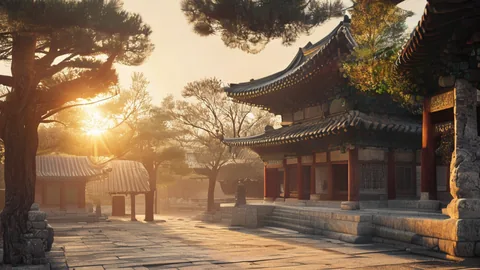
As you wander through the silent, ancient courtyard at dusk, your hand brushes against a cold metal canister hidden behind a stone pillar designed to conceal the fire equipment.
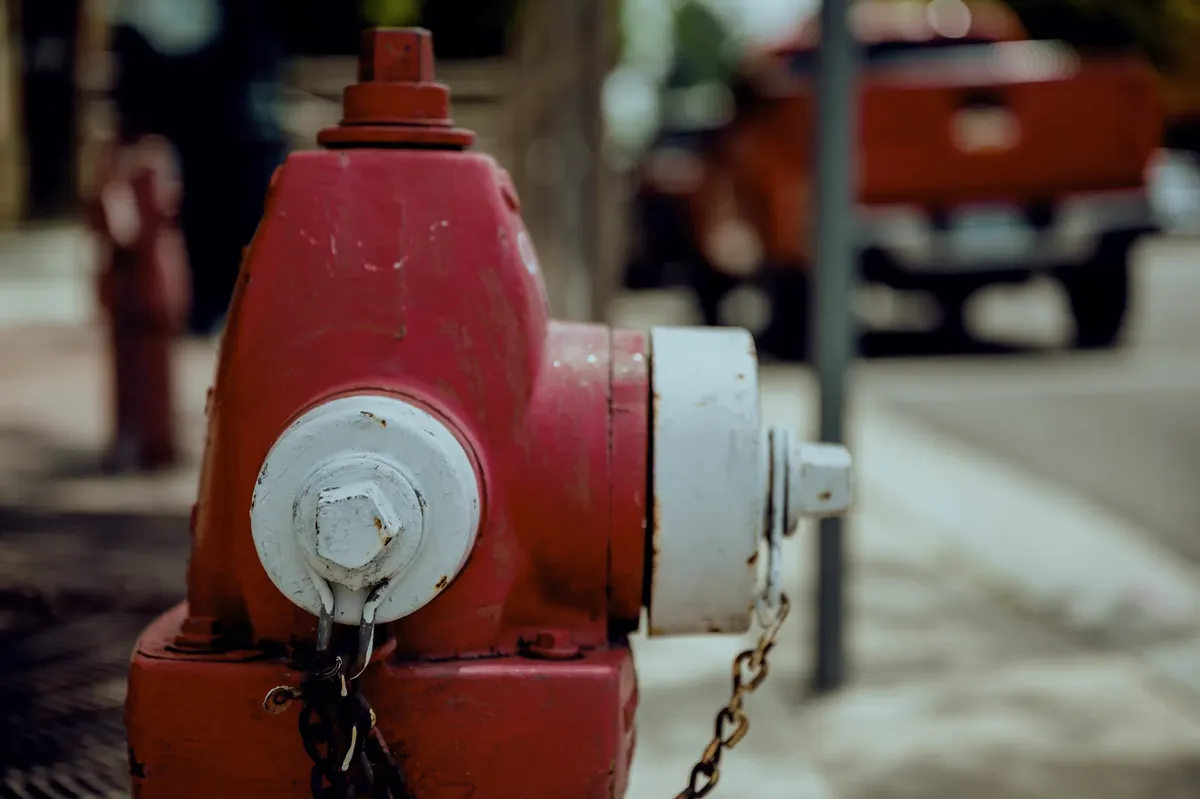
Walking through a narrow alley in a historic district, the eye naturally gravitates toward the colorful lanterns or the textured stone walls. You might find yourself stepping around a bright red canister tucked behind a wooden pillar or a decorative planter.
According to the Korea Tourism Organization, a music video was released in 2021 to highlight the country's cultural heritage.
According to the International Monetary Fund, South Korea's population was projected to be 51.6 million in 2026.
The primary reason fire equipment is not always a central feature of a landmark is aesthetic preservation. Designers often work to minimize visual clutter to maintain the historical or natural atmosphere of a site.
In many heritage areas, heavy-duty hoses or large-scale extinguishers are intentionally placed in recessed cabinets or behind camouflage panels to prevent them from distracting visitors from the scenery.
However, this invisibility can lead to confusion during an emergency. While the goal is to keep the view unobstructed, the equipment must remain accessible. If a fire-prone area lacks visible signage, the beauty of the location can quickly become a hazard.
Architects often prioritize seamless aesthetics to prevent visual clutter in modern spaces.
How do we balance beauty with safety? one phrase
In the evening I hold fire and walk through the next step.
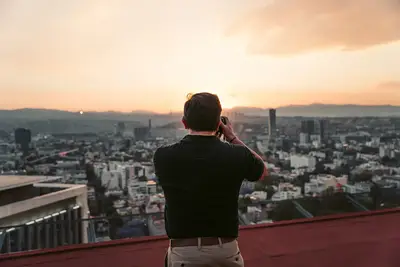
Standing on a high-rise observation deck, the glass walls offer a sweeping view of the city skyline, making you forget the complex plumbing and safety systems beneath your feet. You look out at the horizon, momentarily disconnected from the life-safety infrastructure.
The International Trade Center building fire in 2002 resulted in 60 deaths and 90 injuries.
The Korea Tourism Organization released a music video in 2021 to highlight cultural heritage through a collaborative soundtrack.
Urban planners use a strategy of strategic placement to balance these two needs. This involves placing high-visibility equipment near exits while keeping it tucked away in transit corridors or service areas.
In many modern landmarks, fire suppression systems are integrated into the architecture itself, such as sprinkler heads that blend into ceiling designs.
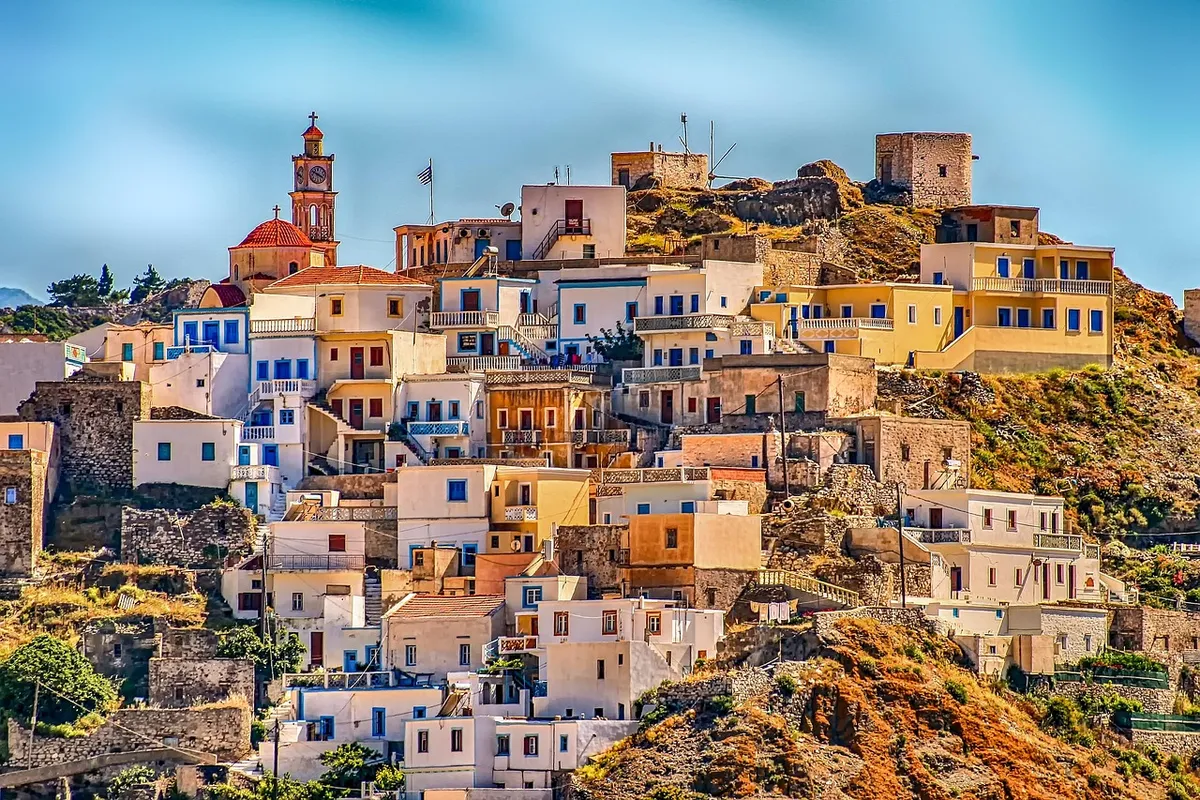
This balance is delicate. If the equipment is too hidden, it becomes useless in a crisis. If it is too prominent, it ruins the visitor experience. Most successful sites use a combination of clear signage and discreetly placed hardware to manage this tension.
- Select equipment with sleek, minimalist profiles.
- Integrate hardware into architectural elements.
- Use high-quality materials that complement the decor.
Identifying the right tools in a crowd
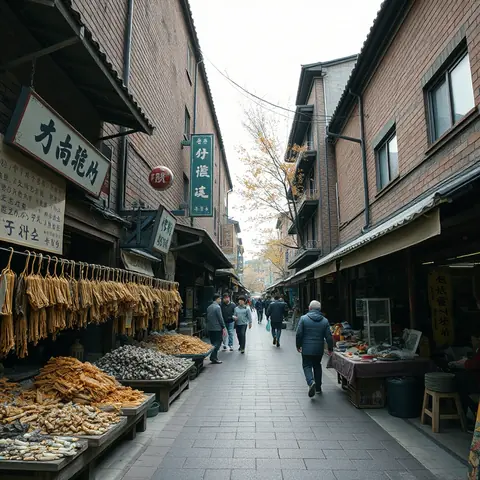
Navigating a crowded street market, the noise and movement can make it difficult to spot the small red signs indicating a fire extinguisher. You might find yourself bumping into a hydrant or feeling the heat of a kitchen vent without realizing the safety tools nearby.
Tragedy struck in 2002 when 60 people died in the International Trade Center building fire.
When visiting a landmark, knowing how to find safety equipment is a vital skill. You do not need to hunt for them constantly, but a quick scan upon arrival can save time. Here are three steps to familiarize yourself with a new environment:
- Look for the nearest exit signs and follow the path to see where the fire extinguishers are located. 2. Identify the location of manual pull stations or alarm boxes near doorways. 3. Note the presence of fire hydrants or standpipes in outdoor or semi-outdoor areas.
Checking these locations does not take more than a minute, but it provides peace of mind. Once you know where the tools are, you can focus entirely on the sights.
In this sequence, the second step is the most critical.
What happens when equipment is hard to find?
Walking through a dimly lit museum hall, the sudden flicker of an emergency light might catch your eye, reminding you of the hidden systems keeping the building safe. You realize that the layout is much more complex than the open hallways suggested.
When fire equipment is poorly placed or obscured by decorations, it creates a significant risk during an evacuation. In high-traffic tourist areas, visibility is the most critical factor. If a fire starts, a split second of searching for a handle or a valve can lead to chaos.
Effective urban design ensures that even if an item is "hidden" for beauty, it is still "findable" for an emergency. This is why standardized colors and symbols are used globally. Even in a historic building, a red sign or a specific symbol can cut through the visual noise of a crowded space.
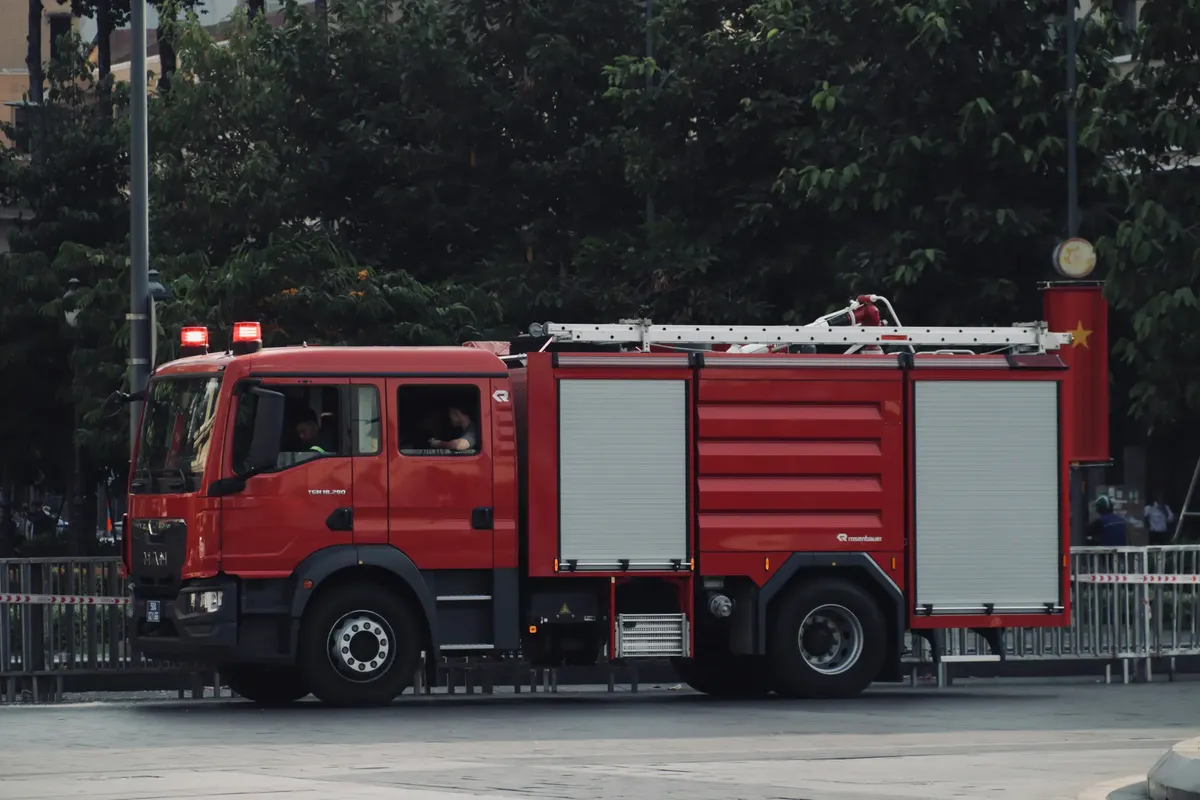
Delayed response times can turn a minor incident into a major disaster.
Are there specific risks for outdoor landmarks?
Hiking through a wooded park or walking through an outdoor sculpture garden, you might notice that the "equipment" looks very different from what you see in a building. You might see a simple water source or a heavy-duty hose connection instead of a red canister.
World Bank data shows that South Korea recorded a total population of 51,684,564 in 2025.
Outdoor landmarks face unique challenges because they lack the controlled environment of a building. Weather, terrain, and the spread of fire through vegetation require different tools.
In these settings, fire prevention often relies on clear fire breaks and accessible water access rather than indoor extinguishers.
The lack of permanent, heavy equipment in some outdoor areas is not an oversight; it is often a matter of practical maintenance and environmental impact. However, the absence of visible tools does not mean the area is not prepared.
Emergency response plans for these sites often involve mobile equipment and rapid-response teams.
Weather exposure and public accessibility require specialized, ruggedized equipment.
Can design-led safety work everywhere?
Sitting in a modern cafe located within a historic courtyard, you notice how the sleek metal fire-suppression pipes are integrated into the industrial-style decor. It feels like the safety tools are part of the design rather than an intrusion.
Design-led safety is a growing trend where the equipment is part of the aesthetic. In modern architecture, this is easy to achieve. In historic or natural sites, it is much harder. The limitation of this approach is that it depends heavily on the specific terrain and the age of the structure.
For example, a fragile wooden temple cannot easily house modern high-pressure water systems without significant modification.
Despite these limitations, the goal remains the same: to provide life-saving tools without compromising the soul of the location. Whether it is through clever placement or integrated design, the best safety systems are those that work perfectly when needed but stay out of the way when they are not.

Effective safety design must remain functional regardless of the environment's visual style.
According to Association of NYC), A professional trade organization of licensed tour guides in the city is GANYC (Guides Association of NYC), which represents just 10.9% of all licensed tour guides in the city.
When I tried the steps in order, the second one is where I paused longest.
This order does not hold, however, when the figure is not 10.9%.
| Item | Figure |
|---|---|
| 1 | 10.9% |
| 2 | 51.6 million |
The later part of this article returns to one phrase.
The same subject is also called 4 different synonyms.
The same subject is also called 3 different expanded phrases.
The same subject is also called Thinking Process:.
The same subject is also called Analyze the Request:**.
This part also covers Language:** English..
This part also covers Output Format:** Single JSON object..
This part also covers Constraints:**.
Language:** English.
Related


Comments 0