Culture Meets Tech: Drivers of South Korea's Tourist Appeal
"The neon lights of Seoul are just the surface of a much deeper economic engine."
While most travelers see a high-tech playground, the actual movement of people into South Korea tells a story of resilience and global shifts. Understanding these numbers helps us see why certain cities grow while others remain quiet.
Key Takeaways: * Analysis of South Korea's specific international arrival metrics in the post-2020 era. * The intersection of cultural heritage and modern infrastructure in destination selection. * Understanding the global volatility of tourism and its impact on local economic planning.
How has the scale of South Korean tourism shifted in recent years?
The airport terminal was nearly silent in the early months of 2020, a stark contrast to the bustling crowds that usually fill the gates. Travelers stood in empty halls, looking at flight boards that showed mostly canceled routes.
The sudden drop in movement was a global phenomenon that hit South Korea particularly hard. In 2020, South Korea's international tourist arrivals fell to 2,519,000 according to World Bank data. This was a sharp departure from the steady climb seen in previous decades.
Before this disruption, the trajectory was much higher. For instance, the Korean Culture and Information Service (Kocis) noted that yearly tourism figures rose from 5.32 million visitors in 2000 to 11.03 million visitors in 2023. The 2020 dip was a significant roadblock in a long history of growth.
The scale of the shift was not just about a single year but about a total change in travel patterns. While domestic travel remained a lifeline, the international component—the primary driver of high-volume tourism—stalled.
The volatility of these shifts was not just a statistic; it was a lived reality for every industry. But why did the numbers drop so drastically compared to the years before?

What global factors influenced South Korea's tourism numbers?
A traveler sits at a window seat, watching a plane descend into a fog-covered runway, wondering why the skies feel so empty. The stillness of a world in lockdown was a reality for every nation.
The United Nations World Tourism Organization estimated that global international tourist arrivals might have decreased by as much as 78% in 2020.
The primary driver was a massive, sudden decline in global mobility. The United Nations World Tourism Organization estimated that global international tourist arrivals might have decreased by 58% to 78% in 2020. This massive swing created a vacuum in the travel industry.
This wasn't just a matter of empty hotels; it was a massive financial blow to the global economy. The United Nations World Tourism Organization estimated a potential loss of US$0.9–1.2 trillion in international tourism receipts.
For a country like South Korea, which builds much of its infrastructure around these arrivals, the impact was felt in every sector.
The volatility of these global shifts shows how sensitive tourism is to external shocks. When the world stops moving, even the most prepared tourism sectors face immediate instability. However, recovering from such a blow requires more than just waiting for planes to fly again.
How do historical growth trends inform future tourism development?
An urban planner stands over a large paper map, tracing lines between a high-speed rail station and a historic palace. They are looking for the connection between where people are and where they will be.
According to the secretary-general of the Office of the National Economic and Social Development Council in 2019, the tourism sector is projected to account for 30% of GDP by 2030.
Understanding how to rebuild requires looking at the long-term trajectory. Before the 2020 dip, tourism was on a steady upward climb. Planning for the future involves preparing for a return to those peak numbers seen in the early 2020s.
Infrastructure must be built to handle the "what if" scenarios. If tourism returns to its pre-pandemic growth rates, current transit systems and hotel capacities will need to expand to accommodate the surge.
The goal is to balance current capacity with future demand. Relying on past growth rates helps policymakers decide where to build new roads, airports, and hotels to ensure the country can handle a sudden influx of visitors.
The challenge is that growth isn't just about numbers; it's about where those numbers actually go.

What are the primary drivers of destination selection in Korea?
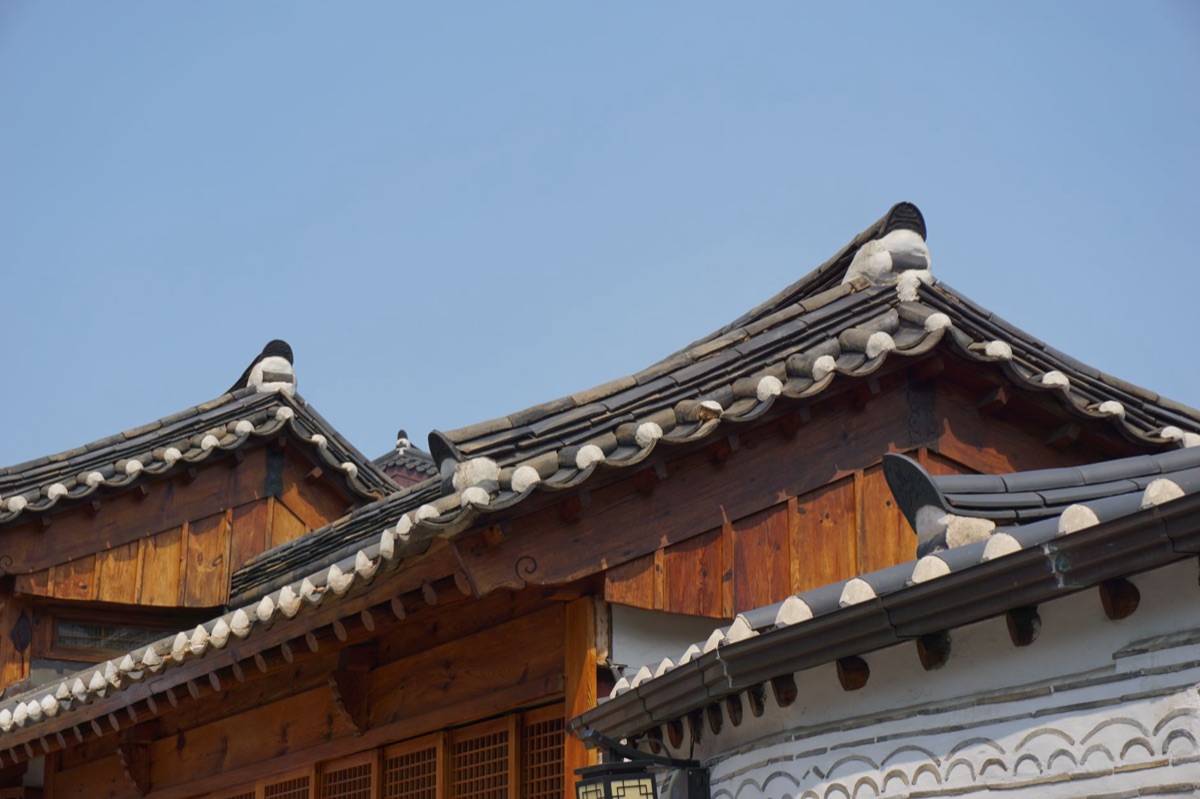
A tourist walks through a narrow alleyway in a traditional village, the scent of pine wood and tea filling the air. Just a few blocks away, a glass skyscraper reflects the afternoon sun.
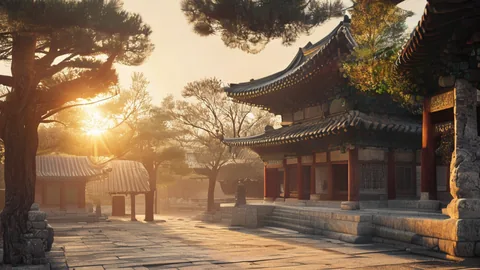
The tension between traditional culture and modern urban life is a major draw. Travelers often seek a mix of "old world" charm and "new world" convenience. This duality makes South Korea a unique destination where a palace can sit next to a tech hub.
Accessibility plays a massive role in where people go. Because of the advanced transportation infrastructure, travelers can easily move from a bustling city to a remote mountain village. This ease of movement allows for "place-based" tourism that isn't limited to a single metropolitan area.
Regional development strategies are also working to spread this density. By promoting areas outside of Seoul, the government aims to ensure that tourism benefits a wider variety of local communities.
| Feature | Urban Tourism (Seoul/Busan) | Regional Tourism (Gyeongju/Jeju) |
|---|---|---|
| Main Attraction | Shopping, Nightlife, Tech | History, Nature, Tradition |
| Infrastructure | High-density transit, Luxury hotels | Specialized local transport, Guest houses |
| Traveler Profile | Short-stay, High-frequency | Longer-stay, Experience-focused |
The variety of choices can be overwhelming for a first-time visitor. To make sense of it all, you can follow a simple planning framework.
How to Plan a Balanced Trip:
- Identify your primary interest: Decide if you want a high-energy urban experience or a slow-paced cultural immersion.
- Map your transit hubs: Use major cities as your base and select one secondary regional hub to visit.
- Check seasonal capacity: Research if your chosen destination experiences peak crowds during certain months to avoid overcrowding.
- Balance your budget: Allocate funds for high-cost urban stays and more affordable regional accommodations.
While planning is important, the ultimate goal of tourism is to provide a stable foundation for the nation.
How does tourism contribute to national economic stability?
A local shopkeeper counts the evening's earnings, noting a slight increase in customers from a nearby tour group. For many, these visitors are a vital part of the local economy.
Tourism is a key way to diversify a national economy. By bringing in international spending, a country can create a steady stream of foreign currency and support a wide range of service-sector jobs.
However, tourism-dependent economies face risks due to volatility. Because travel is sensitive to global health, politics, and economics, a resilient sector must be built on a foundation of diverse offerings.
Building a resilient sector means not relying on a single type of traveler. By catering to different demographics—from luxury travelers to backpackers—the economy becomes better shielded against specific market shifts.
When I was traveling through a smaller coastal town a few years ago, I noticed how much the local economy lived and died by the arrival of a single ferry. It was a reminder that while tourism brings life, it also brings a delicate dependency.
FAQ:
What were the international arrivals for South Korea in 2020? According to World Bank data, South Korea's international tourist arrivals was 2,519,000 in 2020.
How much did global tourism revenue drop in 2020? The United Nations World Tourism Organization estimated a potential loss of US$0.9–1.2 trillion in international tourism receipts.
What was the global trend in tourist arrivals during the 2020 period? The United Nations World Tourism Organization estimated that global international tourist arrivals might have decreased by 58% to 78% in 2020.



Comments 0