Namyangju 30% of the total land area geography tips
This means that in areas like Namyangju, you are often navigating a mix of rolling hills and river basins rather than flat plains. The landscape is enriched by the fact that South Korea has 24 UNESCO Intangible Cultural Heritages of Humanity as of 2024.
This city serves as a perfect escape for those looking to reconnect with nature through scenic river views, historic trails, and peaceful garden walks.
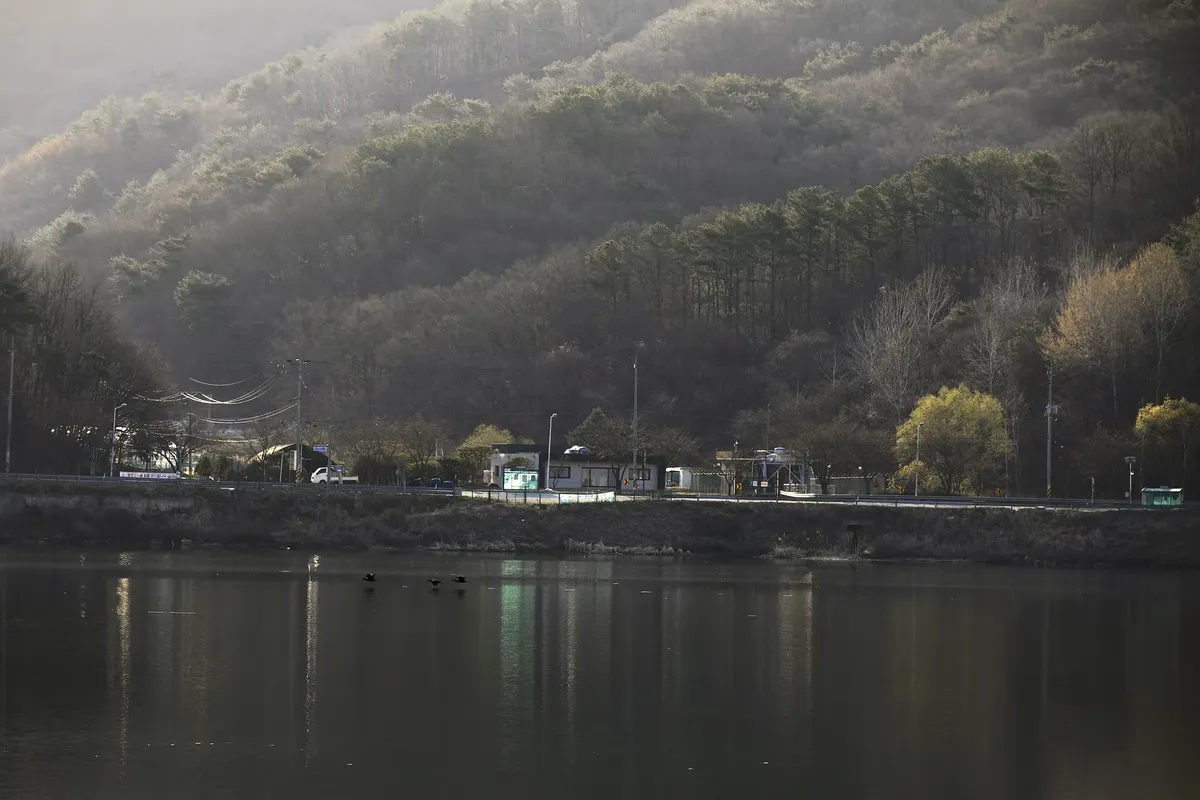
* Explore the scenic riverside landscapes along the Bukhangang. * Visit historic sites that offer a glimpse into Korea's past. * Enjoy seasonal changes through botanical gardens and forest paths. * Understand the geography of the area to plan your route.
Namyangju: Why is the landscape so diverse? Standing on a wooden deck overlooking the wide expanse of the river, the wind brushes against your face as you watch the water move slowly toward the south. The diverse geography of Namyangju provides a unique mix of mountainous terrain and wide river valleys that create distinct microclimates.
According to the World Bank, South Korea recorded a high-technology share of manufactured exports of 36.3% in 2024.
The city's layout is defined by its relationship with the water and the surrounding hills. Because the terrain varies from steep slopes to flat riverbanks, visitors can experience both high-altitude views and gentle strolls in a single afternoon.
This variety makes it an ideal destination for various activity levels.
This topography dictates the winding roads and the scenic, tiered layouts of many local parks.
How can I find peace by the river?
Walking along a paved path near the water's edge, the sound of footsteps on gravel blends with the gentle lapping of waves against the shore. The riverfront areas in Namyangju are designed to offer a sense of openness that contrasts sharply with the density of the capital.
To find true peace, visitors should focus on the areas where the river meets the mountains. These spots provide a natural buffer from traffic and noise. Large parks along the Bukhangang River offer wide walking trails that allow for social interaction or solitary reflection.
If you are looking for a specific way to experience the water, consider these steps: 1. Identify a riverside park with a designated walking trail. 2. Visit during the early morning to witness the mist rising off the water. 3.
Locate a cafe or rest area with a direct view of the river to sit and observe.
I remember sitting on a bench near the water last autumn, watching the golden leaves fall into the current, and feeling the city's stress simply evaporate.
What are the best spots for seasonal beauty?
The air feels crisp in the morning, and the scent of damp earth and pine needles fills the air as you step onto a forest trail. Seasonal changes in Namyangju are much more pronounced than in the urban center, turning the landscape into a living canvas.
As noted by UNESCO, South Korea has 16 World Heritage Sites as of 2024.
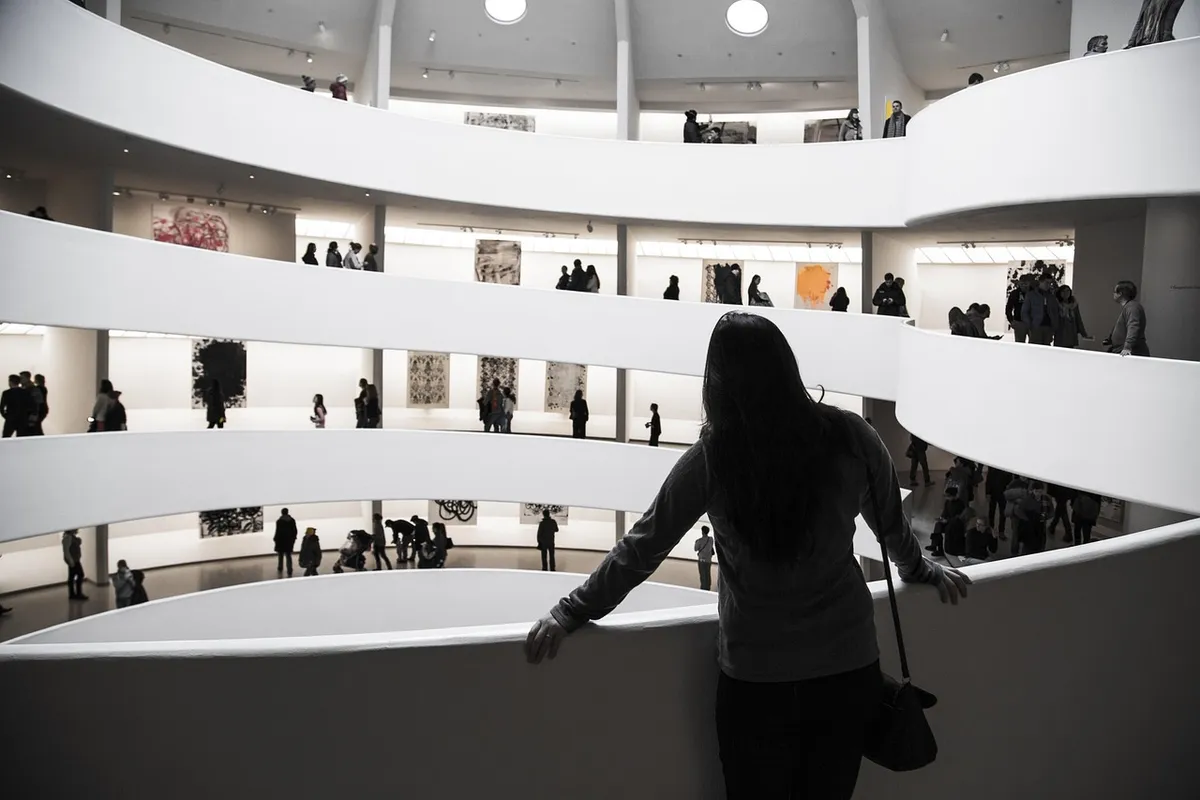
The best spots for seasonal beauty are those that combine water, mountains, and seasonal flora. In the spring, cherry blossoms and azaleas line the riverbanks, while autumn brings vibrant reds and yellows to the forested hills.
| Season | Primary Feature | Activity Suggestion |
|---|---|---|
| Spring | Flowering trees and budding greenery | Photography and light walking |
| Summer | Lush greenery and cool river breezes | Riverside picnics and shaded walks |
| Autumn | Colorful foliage and clear skies | Hiking and mountain photography |
| Winter | Quiet, snow-covered landscapes | Calm reflection and hot tea breaks |
The variety in the landscape ensures that there is always a reason to visit, regardless of the month.
How do I navigate the area easily?
Checking a map on a smartphone, you trace the winding roads that hug the riverbank, wondering which path leads to the best viewpoint. Navigating Namyangju requires a bit more planning than moving through a subway-connected city like Seoul.
The Korea Tourism Organization showcased Korea’s luxury travel experiences in 2026.
While public transportation is available, many of the most scenic spots are spread out. Most travelers find that using a car or a taxi is the most efficient way to reach specific parks or mountain entrances. However, local buses do connect major hubs to certain popular attractions.
When planning your trip, keep these tips in mind: 1. Use a navigation app to check for mountain road closures or seasonal traffic. 2. Check the distance between your starting point and the riverfront to manage travel time. 3. Plan for multiple stops to make the most of the driving distance.
A limitation of traveling here is that some of the most beautiful mountain paths may be difficult to reach without a private vehicle due to the steep terrain.
What makes the local food worth the trip?
The aroma of savory pancakes and spicy stews wafts from a small restaurant tucked between two hills, inviting you to step inside. In Namyangju, the local cuisine often reflects the fresh ingredients provided by the nearby mountains and rivers.
Food in this region is often centered around seasonal produce and river-sourced ingredients. Because the area is a mix of rural and developing suburban zones, you can find everything from traditional farmhouse meals to modern, trendy cafes.
If you want to enjoy a local meal, try this: 1. Look for restaurants specializing in local specialties like river fish or mountain vegetable sets. 2. Visit a riverside cafe for a lighter meal and a view. 3. Check local markets if you are visiting during a festival season.
When I tried the steps in order, the second one is where I paused longest.
This order does not hold, however, when the figure is not 1,100 km.
- "The quiet flow of the Bukhangang River offers a stillness that the bustling streets of Seoul often lack."
- Finding the right balance between urban energy and natural tranquility is easy when you head toward Namyangju.
- According to Wikipedia: South Korea, the nation features 16 World Heritage Sites as of 2024.
Related


Comments 0