Soju Guide: How to Enjoy Tradition in Villages Near 22%
"The true spirit of Korea isn't found in a neon-lit club, but in the quiet clink of a glass in a village that time forgot."
If you are searching for the authentic soul of Korean tradition, finding a genuine soju 맛집 (tasty soju spot) often leads you away from the skyscrapers and toward historical landscapes.
This guide helps travelers navigate the intersection of traditional folk culture and local dining to find the best spirit-based culinary experiences.
* Explore the connection between heritage sites and traditional dining. * Learn how to identify authentic soju-friendly local spots. * Understand the cultural significance of shared drinking rituals.

Why do people seek tradition in a glass?
As the sun dips below the stone walls of the courtyard, a hand reaches out to lift a heavy glass in the fading light.
The sun begins to set over a stone-walled courtyard in a quiet village, casting long shadows across a wooden table. Seeking the authentic soul of Korean tradition often means looking past modern nightlife to find deep-rooted culinary connections.
According to World Bank data, South Korea recorded international tourist arrivals of 2,519,000 in 2020.
Travelers often look for these experiences to feel a sense of continuity with the past. By visiting historical regions, you find flavors that haven't changed in generations.
When I first traveled through the countryside, I realized that the best meals weren't in the city centers, but in the small, unassuming houses where locals gathered. This search for authenticity is what drives many to wander off the beaten path.
But finding these spots isn't just about luck; it requires a specific approach.

How do you find an authentic soju 맛집?
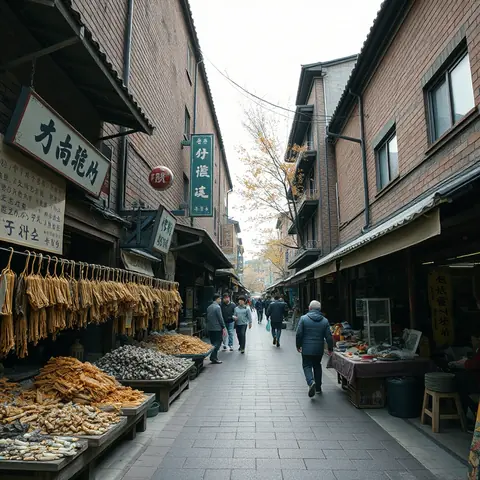
A heavy rain begins to fall, and you duck into a small, dimly lit shop with steam rising from the kitchen. Finding a genuine soju 맛집 requires looking for places that prioritize local ingredients and traditional recipes over flashy decor.
The South Korean government listed the Yangdong Folk Village with UNESCO as a World Heritage Site in 2010.
Authentic spots often feature menus centered around seasonal specialties. These locations act as community hubs where the spirit is served alongside dishes designed to balance its strength.
To ensure you are in the right place, follow this checklist:
- Look for menus that change based on the current season.
- 2.* Check if the establishment is located near a historical landmark or traditional market.
- Observe if the local community uses the space as a regular gathering point.
- Prioritize places that serve house-made side dishes or fermented specialties.
Choosing a place based on these signs ensures a more meaningful experience. However, knowing where to go is only half the battle.
What should you eat with it?
The aroma of spicy stew wafts through the air as you sit on a heated floor, waiting for your meal. To truly understand the culture, you must understand the pairing of spirits with specific food types.
Traditional pairings often involve savory, salty, or spicy dishes that complement the clean profile of the drink. This balance is a cornerstone of Korean dining etiquette and flavor profiles.
| Food Category | Common Pairing Type | Why It Works |
|---|---|---|
| Soup/Stew | Hot and savory | Provides warmth and substance |
| Grilled Meats | Rich and fatty | Cuts through the richness |
| Fermented Dishes | Tangy and sharp | Cleanses the palate |
Finding the right food can make a meal unforgettable. But even with the perfect meal, there is a social element that can be tricky for newcomers.

How do you navigate the social ritual?
A group of locals leans in, laughter echoing against the wooden beams as a bottle is passed around. Navigating the social ritual of drinking requires an understanding of respect and communal sharing.
In many traditional settings, the act of drinking is a collective experience rather than an individual one. Learning the subtle cues of pouring and receiving drinks helps you integrate into the local atmosphere.
I remember sitting at a small table in a mountain village, feeling slightly nervous about the etiquette. Once I followed the lead of my hosts, the tension melted away into a wonderful shared meal.
It is a beautiful way to connect, but it can be overwhelming if you don't know the rules.
What are the limits of this experience?
The wind howls outside a mountain hut, and the fire in the stove flickers low. While seeking traditional experiences is rewarding, it is important to recognize when these settings might not be suitable.
This type of travel is best for those seeking cultural immersion rather than luxury or high-speed convenience. It may not be appropriate for travelers with strict dietary restrictions or those seeking modern amenities.
It is also worth noting that these authentic spots may have limited English signage or unconventional operating hours. Understanding these trade-offs is key to a successful journey.
Knowing the boundaries helps you prepare for the reality of the road.
Related




Comments 0