How does national heritage shape global standards?
"Culture is not just found in museums; it lives in the traditions we carry and the ways we define our identity through intangible heritage."
The rise of non-traditional cultural interest focuses on how intangible heritage shapes identity and global recognition. This exploration covers how local traditions achieve international status, the importance of safeguarding living history, and the specific ways these elements are recognized.

Key takeaways include the influence of national initiatives on global standards and the specific number of South Korean elements recognized by UNESCO.
How does national heritage shape global standards?
As the morning sun hits the quiet library, the researcher traces an ancient map to see how local tradition does shape the world.
A researcher sits in a quiet library, tracing the history of international cultural treaties. They realize that local efforts often serve as the blueprint for global movements.
Early efforts to protect local traditions at a national level played a significant role in shaping international policy.
This transition shows how domestic focus can spark global preservation frameworks.
What is the scale of South Korean cultural recognition? Unique Korean cultural spots
Under the bright office lights, the official sighs while checking the list to see how much recognition South Korea does receive.
An official examines a list of global heritage sites, noting the growing diversity of recognized traditions. The list grows as more unique customs meet international criteria.
The recognition of cultural elements has expanded significantly over the decades. As of 2025, twenty-three South Korean Intangible Cultural elements have been inscribed on the UNESCO Representative List of the Intangible Cultural Heritage of Humanity.
This demonstrates a substantial footprint in the global cultural landscape.
Why do we prioritize intangible heritage?

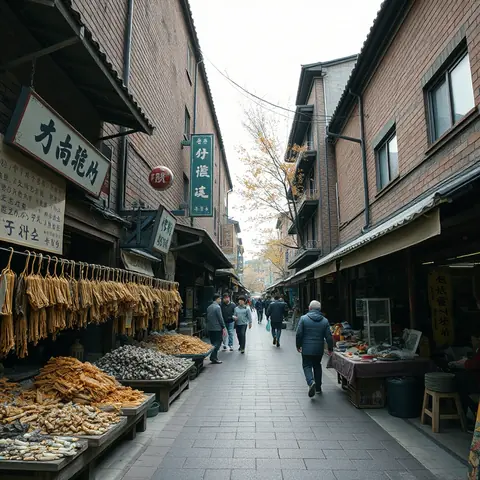
A visitor walks through a vibrant street market, watching a master craftsman work with hands that have practiced the same skill for decades. The focus is on the living practice rather than a static object.
Protecting intangible heritage ensures that living traditions are not lost to time. Unlike physical monuments, these elements rely on human transmission. The goal is to maintain the connection between generations through active practice.
This ensures that the spirit of a culture remains vibrant even as the world changes.
How are cultural elements categorized?
A curator organizes files, distinguishing between tangible artifacts and the intangible customs that give them meaning. The distinction is vital for effective preservation.
While physical objects are easy to see, intangible elements involve rituals, performing arts, and social practices. These are often harder to protect because they require active human participation. International bodies provide a framework to recognize these non-material assets.
This recognition helps secure resources and interest for their continued survival.
What are the limitations of cultural recognition?
A historian looks at a map of the world, noting that not all traditions are recognized by international bodies despite their local importance.
One limitation of international recognition is that it may not capture every unique local custom. While global lists provide prestige, they are selective and based on specific criteria. Not every significant tradition meets the threshold for international inscription.
- How does national heritage shape global standards?
- What is the scale of South Korean cultural recognition?
- Why do we prioritize intangible heritage?

The subject here is Unique Korean cultural spots.
The same subject is also called Local culture places.
The same subject is also called Non-traditional sites.
The same subject is also called Regional cultural gems.
The same subject is also called Unique travel spots.
This part also covers Discover hidden local culture.
This part also covers Best non-traditional spots.
This part also covers Explore regional travel trends.
Discover hidden local culture
Related





Comments 0