Best Korean traditional food: Why its history matters guide
"The taste of history is often found in the balance of salt, fermentation, and ritual."
Choosing the best Korean traditional food means exploring a heritage where culinary practices were once managed by state ministries and refined through centuries of ritual.
This guide explores why these flavors remain a vital part of the cultural fabric, covering historical governance, dietary shifts, and the deep-seated importance of ritual foods.
You will learn about the historical management of food, the changing patterns of protein consumption, and the specific roles of traditional dishes. This exploration is limited to historical and dietary data provided in the records.
Why is the best Korean traditional food so deeply rooted in history?
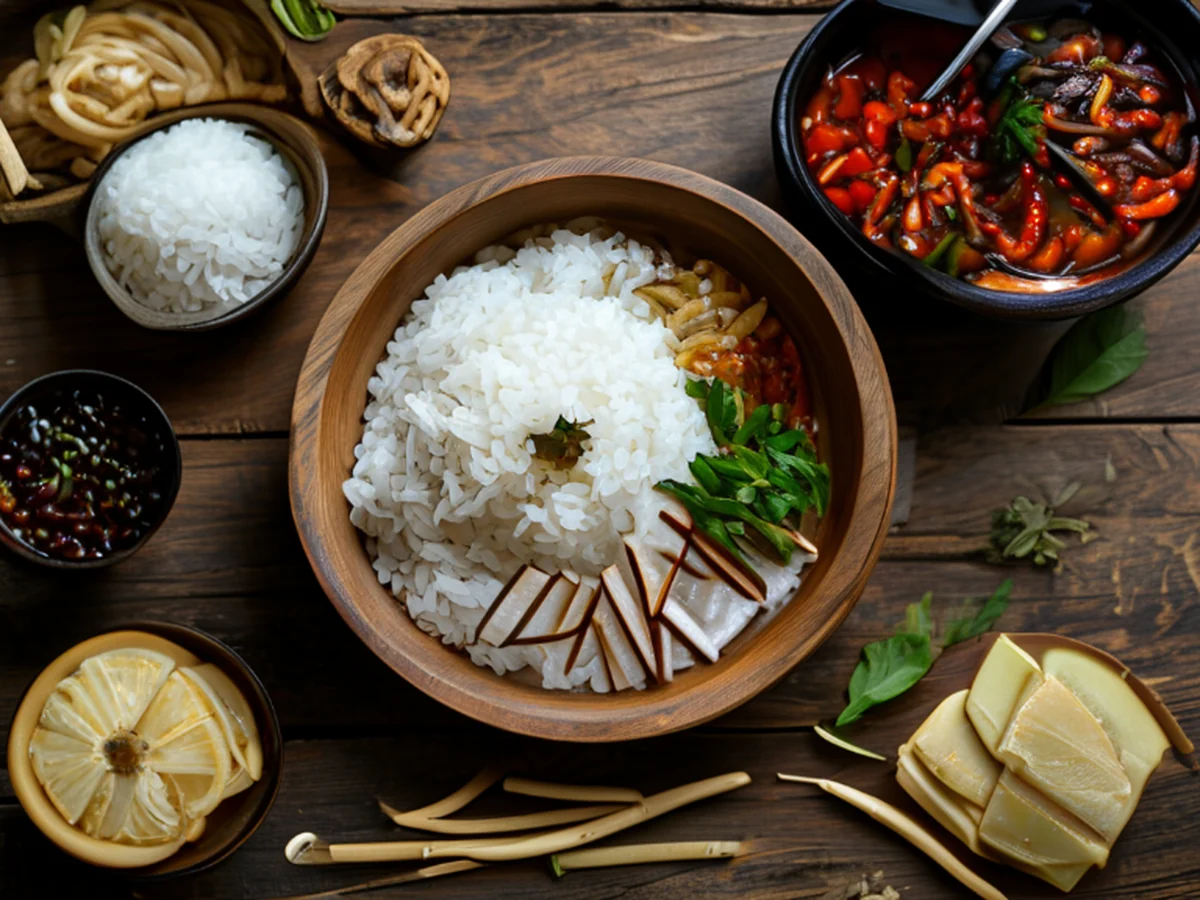
An official in a royal palace carefully inspects a tray of prepared delicacies to ensure they meet strict standards. Historically, the management of food was a matter of state importance, with specific roles assigned to handle the complex needs of the court and ritual requirements.
The structure of the government once ensured that every meal served a purpose, whether for nourishment or spiritual connection.
Official positions were created within the Six Ministries (State Council, 육조) that were charged with all matters related to procurement and consumption of food and drink for the royal court.
This organized approach ensured that the quality and variety of offerings remained consistent with the needs of the monarchy.
Beyond the palace walls, the management of food also extended to spiritual duties. The Board of Rights (Yejo) were responsible for foods prepared for ancestor rites, attaining wines and other beverages, and medicinal foods.
This dual focus on the living and the ancestral ensured that food remained a bridge between the earthly and the divine.
The profound connection between Korean cuisine and its history stems from the necessity of survival through seasonal changes and the philosophical integration of nature into every meal.
How did dietary habits evolve within authentic Korean cuisine?
As evening fell over the small village, a woman reached for a heavy ceramic jar to serve a modern, protein-rich Korean meal.
A family sits around a low table, transitioning from traditional fermented staples to more modern protein-heavy meals. As the years progressed, the composition of the plate shifted significantly, reflecting changes in available resources and changing lifestyles.
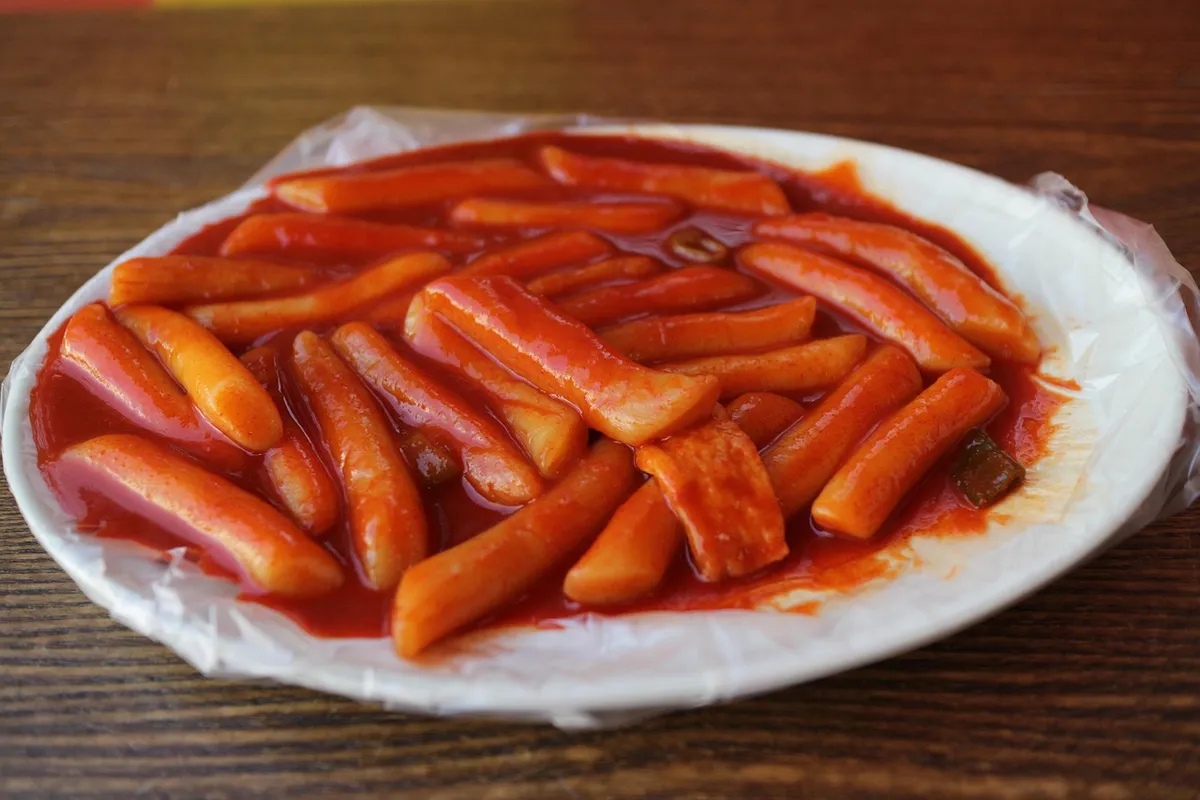
The shift in protein sources marked a significant change in the daily diet of the population. Meat eating continued to rise, reaching 40 kg in 1997, with fish consumption at 49.5 kg in 1998. These figures illustrate a growing reliance on animal proteins alongside traditional vegetable-based dishes.
Understanding these shifts helps clarify why modern meals might look different from those of previous centuries. While meat and fish became more prominent, the foundational elements of the diet remained grounded in local agriculture.
This transition highlights how traditional flavors adapted to new availability.
- Early agricultural practices established a foundation of grain-based meals. 2. The development of fermentation techniques allowed for preservation throughout harsh winters. 3. Regional availability of ingredients led to the diversification of unique local dishes.
According to World Bank, the 2023 record includes 16.1%.
What are the characteristics of traditional Korean flavors?
In the dim light of the kitchen, she tastes the sharp, fermented tang of the Korean sauce and smiles.
A cook carefully salts a large batch of Napa cabbage, preparing it for the fermentation process that defines the cuisine. The unique profile of the food often relies on fermentation and specific seasoning techniques that have been passed down through generations.
One of the most recognizable elements of the diet involves the careful preparation of vegetables. Napa cabbage is prepared with much salt and approximately 20% of sodium intake comes from kimchi. This high salt content is a key component of the fermentation process that preserves the vegetables.
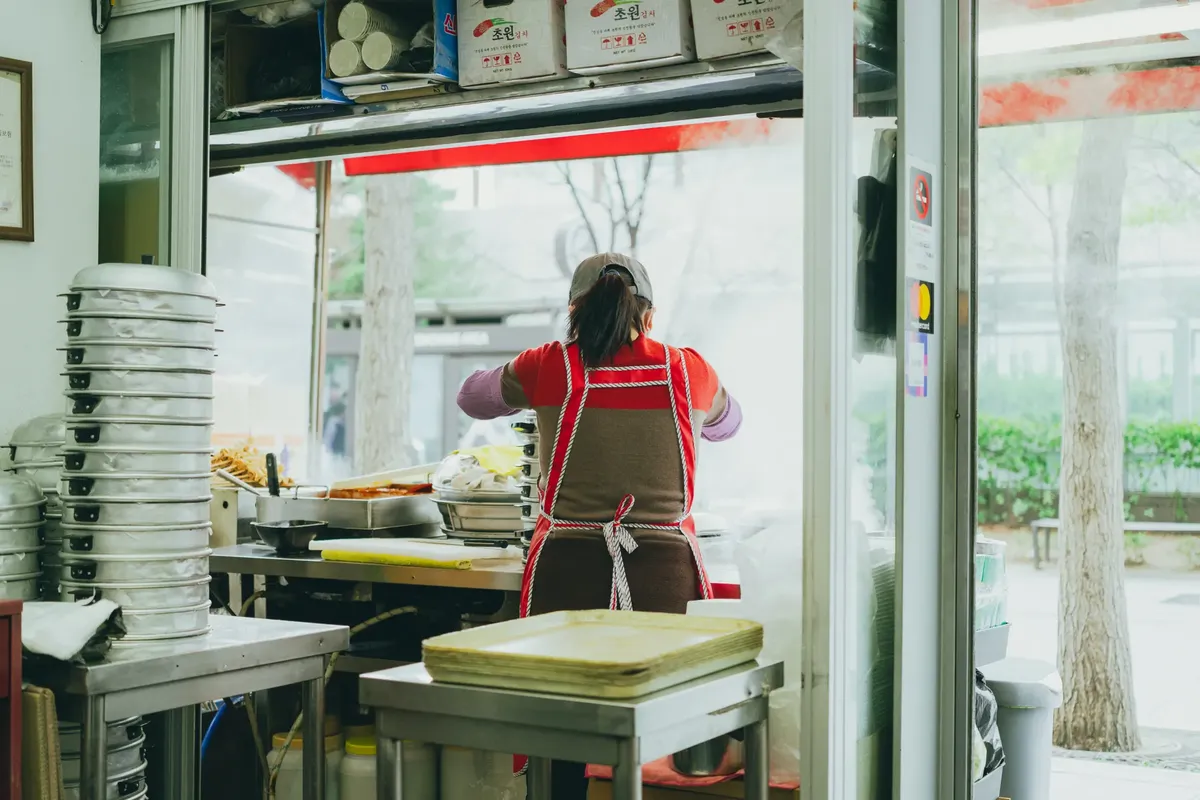
These flavors are not just about taste but also about the preservation of nutrients. While the sodium levels are notable, the fermentation process creates a complex profile that defines the cuisine. This balance is central to the identity of the food.
Traditional flavors are defined by a complex balance of fermentation, spice, and umami, often achieved through ingredients like gochujang, kimchi, and various soy-based pastes.
How does the cultural meaning of food affect modern life?
A student shares a bottle of soju with friends in a small, brightly lit room, reflecting a common social scene. The social significance of certain beverages and dishes remains a powerful force in modern society, bridging the gap between different social classes.
Certain drinks have become staples of social interaction across various demographics. Soju is around 22% ABV, and is a favorite beverage of hard-up college students, hard-drinking businessmen, and blue-collar workers. It serves as a social lubricant that connects people in diverse settings.
The cultural importance of these items ensures they remain relevant even as lifestyles change. Whether in a formal setting or a casual gathering, these items carry the weight of tradition. They provide a sense of continuity in a rapidly changing world.
Even in a fast-paced modern world, the communal nature of Korean dining continues to foster social bonds and maintain a sense of identity.
What is the role of traditional Korean food in heritage protection?
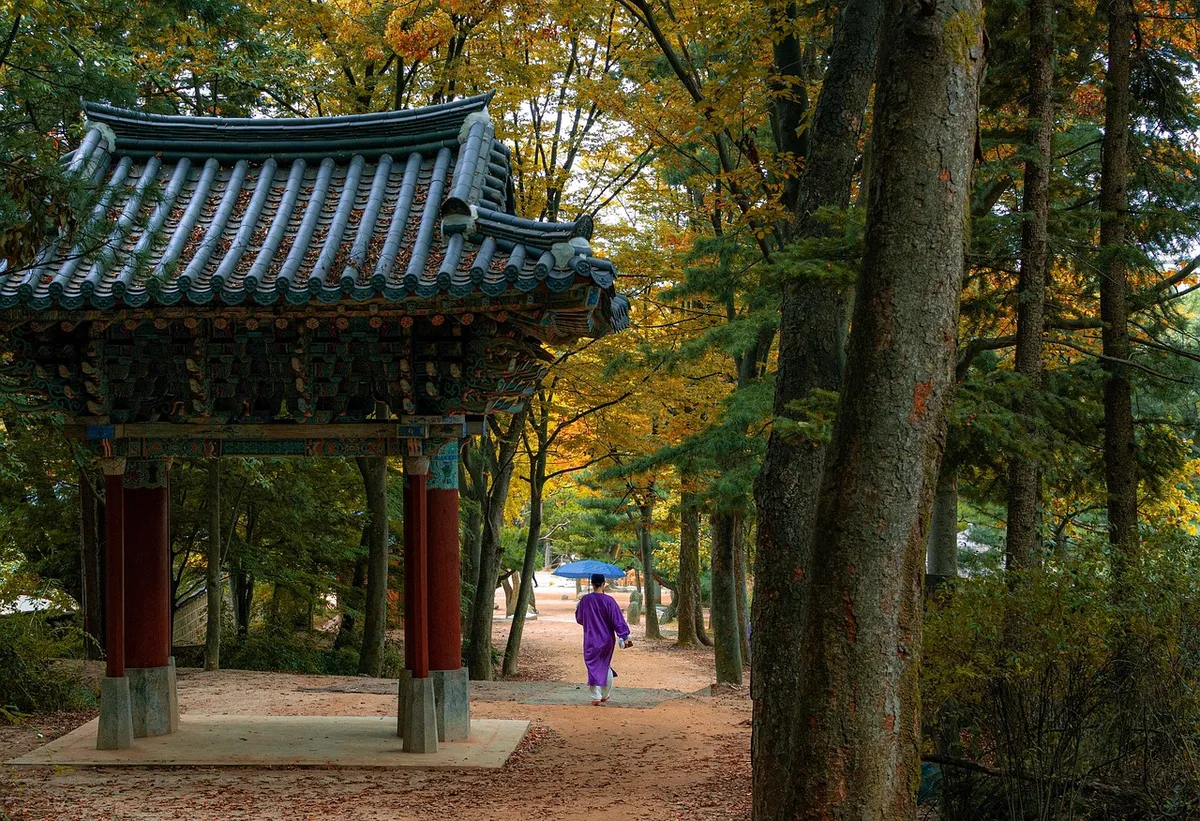
A researcher carefully documents an ancient recipe to ensure the knowledge is preserved for future generations. Protecting the integrity of these culinary traditions involves both international cooperation and the recognition of intangible cultural assets.
The preservation of these traditions is often linked to broader efforts to protect cultural property.
In addition to the fundamental protection of cultural property, there is also cooperation between the United Nations, UNESCO and Blue Shield International in the protection or recording of traditions and customs. This ensures that the history behind the food is not lost.
The definition of what constitutes traditional knowledge is also becoming more formalized through international standards.
The phrase "traditional cultural expressions" is used by the World Intellectual Property Organization to refer to "any form of artistic and literary expression in which traditional culture and knowledge are embodied." This includes the unique ways food is prepared and presented.
Preserving traditional recipes serves as a vital way to safeguard intangible cultural heritage and pass ancestral wisdom to future generations.
How can one navigate a classic Korean food guide?
A traveler tastes a spoonful of a seasoned dish, noting the complex interplay of salt and fermentation. Navigating the vast landscape of traditional food requires understanding the historical context and the specific roles that different foods played.
To understand the diet, one should look at the historical roles of different ministries: 1. 2.
The Board of Rights (Yejo) handled foods for ancestor rites, wines, and medicinal foods. 3. Modern dietary shifts, such as the rise in meat and fish consumption, provide context for current eating habits.
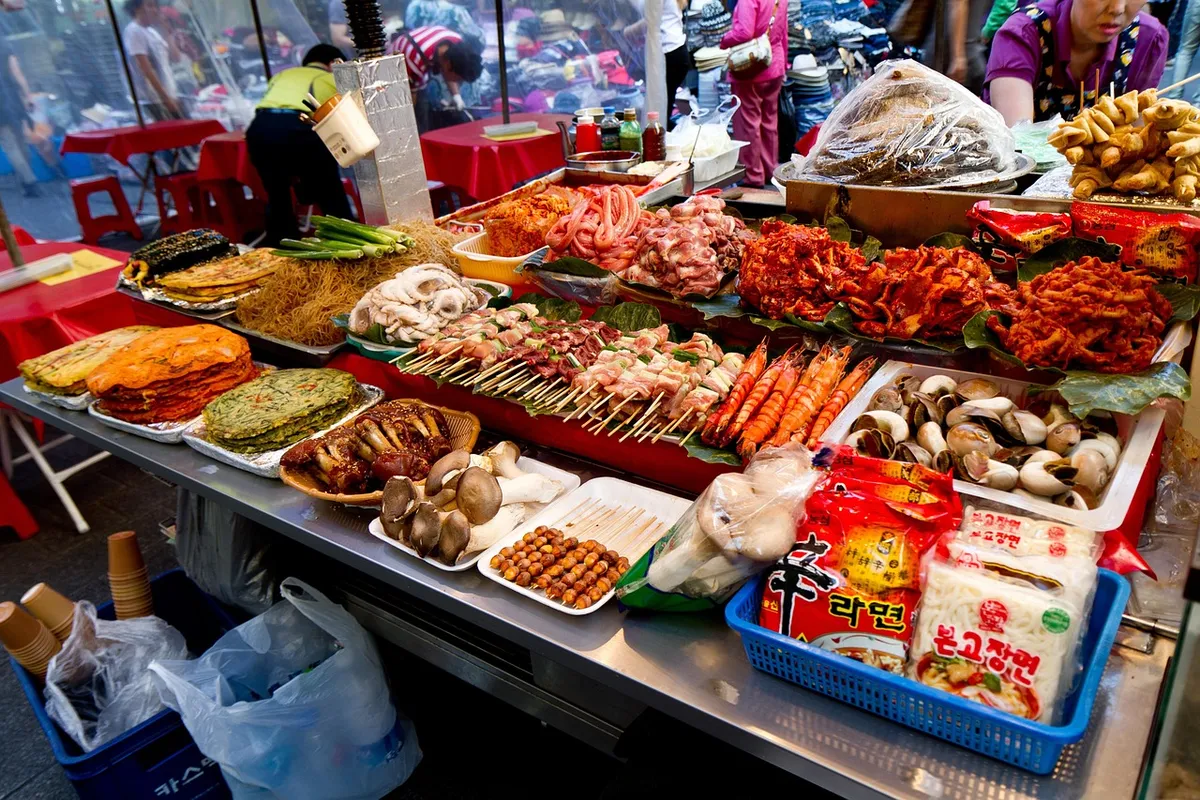
I found that comparing the historical roles of the ministries helped me understand the complexity of the food they managed. This comparison shows how organized the food culture once was.
A limitation of these historical comparisons is that the data provided does not cover the full scope of modern nutritional science or every regional variation.
To navigate a classic menu, focus on understanding the balance of side dishes, recognize the importance of seasonal ingredients, and embrace the variety of textures provided by fermented staples.
World Bank Based on the retained excerpt mentioning World Bank: According to World Bank data, South Korea recorded agricultural land share of 16.1% in 2023.
- Why is the best Korean traditional food so deeply rooted in history?
- How did dietary habits evolve within authentic Korean cuisine?
- What are the characteristics of traditional Korean flavors?
Related






Comments 0