What makes a local rare taste spot legendary?
"The restaurant has won the James Beard Award several times, including for Outstanding Wine Service in 1997 and for Outstanding Service in 1998."
A local rare taste spot often defines itself through consistent excellence and a deep connection to its regular patrons. This guide explores the historical prestige and service standards that turned a single establishment into a legendary landmark.
You will learn about the specific honors received, the unique guest relationships that built its reputation, and the historical documentation that preserves its legacy.
What makes a local rare taste spot legendary?
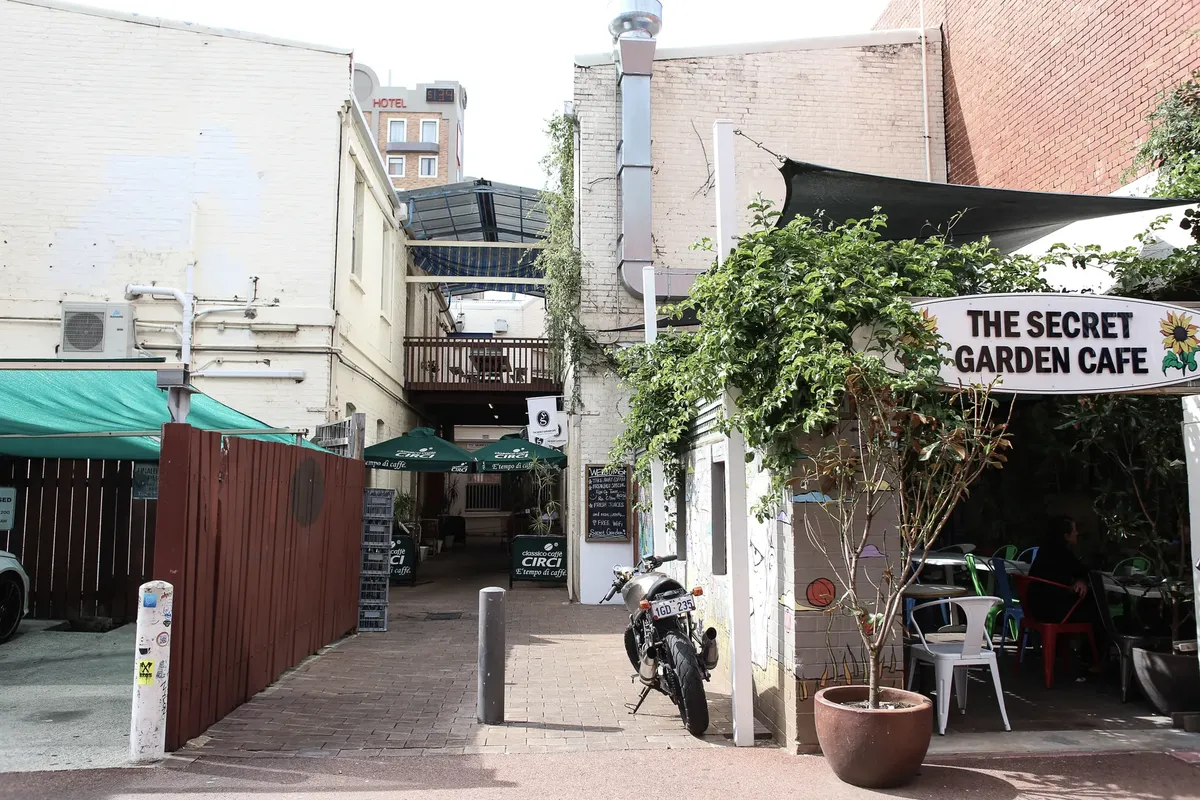
As I stepped into the dim dining room at dusk, the scent of aged oak filled my nose, making me realize that a hundred percent of the atmosphere felt timeless.
Walking through the doors of a premier establishment, one immediately senses the weight of history and the precision of service. For certain dining institutions, excellence is not just a goal but a documented standard of achievement.
The reputation of such a place is built on recognized excellence. According to Wikipedia, the restaurant has won the James Beard Award several times, including for Outstanding Wine Service in 1997 and for Outstanding Service in 1998.
These honors reflect a commitment to quality that transcends simple meals.
A unique town eatery often thrives because it becomes a second home for its community. In the past, this sense of belonging was deeply ingrained in the daily operations and guest interactions.
The legendary status of a neighborhood gem finds its roots in these high standards. While modern dining focuses on many variables, the foundation of a great restaurant often rests on the seamless blend of professional service and personal recognition.
How did management build such strong guest loyalty?
A host greets a regular guest with a familiar nod, recognizing a face that has visited for decades. This level of familiarity turns a business into a cornerstone of the community.
The strength of these connections was once remarkably high.
This degree of recognition created a unique atmosphere where guests felt like part of an exclusive yet welcoming circle. Such familiarity is rare in the modern dining landscape.
Hidden local flavors are often preserved through these social bonds. When a staff knows its patrons so intimately, the dining experience becomes a ritual rather than just a transaction.
What historical records preserve these dining stories?
An archivist carefully places a vintage menu into a protective folder, ensuring the history of a culinary era is not lost. Documentation serves as the bridge between past triumphs and future generations.
The history of iconic dining is often preserved by dedicated institutions. The New-York Historical Society also sponsored a documentary film about the restaurant, It happened over lunch, released in 2018.

These records provide a window into how service standards and social dynamics have evolved over time. They ensure that the legacy of a premier restaurant remains accessible to researchers and enthusiasts alike.
A secret neighborhood eats culture is often documented through books and films. The preservation of these stories allows the essence of the original experience to be studied and respected.
How can we access more detailed historical information?
A researcher pulls a heavy volume from a library shelf, searching for the specific details of a bygone era. Finding specific information requires knowing exactly where to look.
For those seeking deeper insights, academic and institutional archives offer the most reliable data. For further details, one can see John Mariani and Alex von Bidder, The Four Seasons: A History of America's Premier Restaurant (New York: Crown Publishers, 1994).
The documentation is held within specialized collections. The New-York Historical Society library call number is F128 TX945 .5 .F45M37 1994.
Understanding these historical contexts helps visitors appreciate the magnitude of a legendary establishment. It provides a backdrop to the flavors and service that define the brand.
How are these collections managed for public use?
A librarian directs a visitor toward a specific catalog, explaining the proper way to cite a collection. Proper management ensures that historical assets remain available for public study.
Accessing specific materials requires following institutional guidelines. For fuller information about rights and reproductions from N-YHS visit: https://www.nyhistory.org/about/rights-reproductions.
The collection should be cited as: The Four Seasons Restaurant Collection, MS 3151, The New-York Historical Society. This ensures that the provenance of the information is clear and respected.
The best local hidden gems are often those that have survived through careful management of their own legacy. Maintaining a connection to the past is as important as serving the food of the present.
What are the limitations of studying restaurant history?
A historian notes that while documents provide facts, they cannot fully capture the sensory experience of a meal. Information is limited to what was recorded at the time.
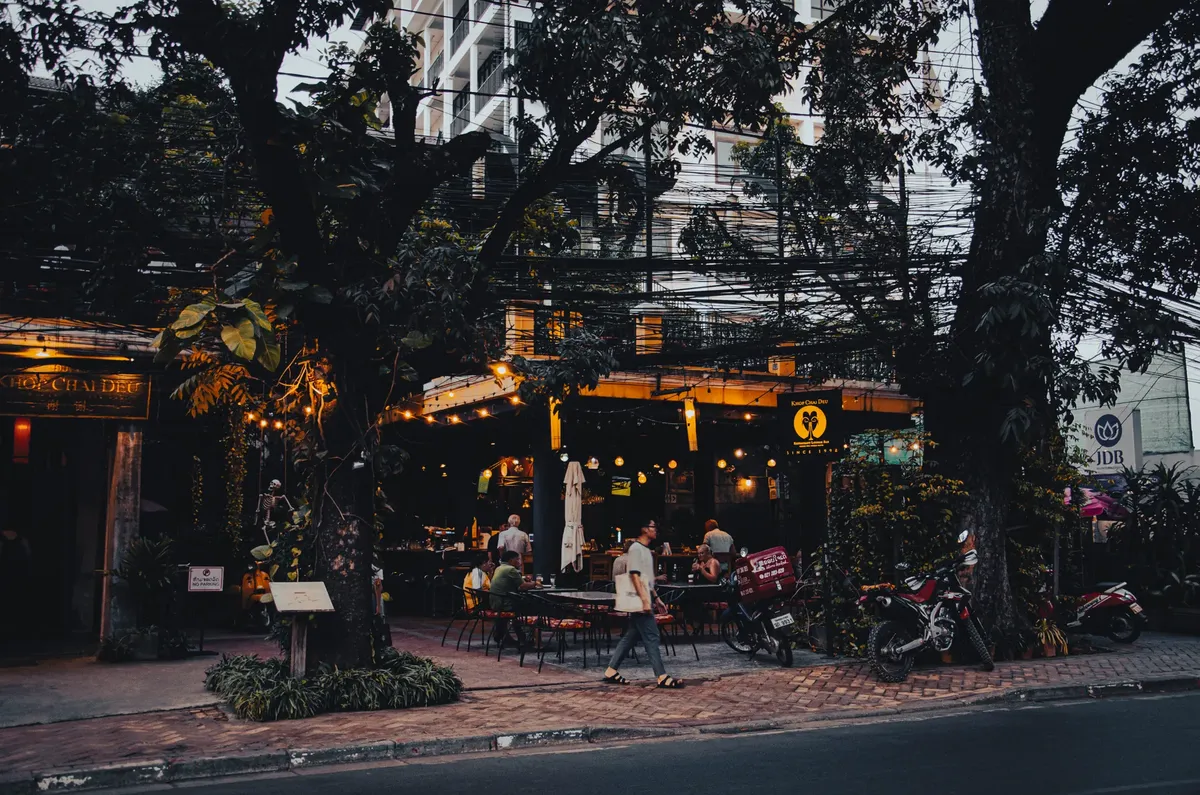
Historical research is often constrained by the availability of specific records. For instance, much of the detailed social atmosphere is captured through specific medium-based accounts like the 1986 magazine article.
| Feature | Historical Data Point |
|---|---|
| Award Year | 1997 (Wine Service) |
| Award Year | 1998 (Service) |
I found that comparing these historical accolades to modern standards provides a clear picture of how excellence is measured.
The scope of these historical records is limited to the specific era and the documentation provided by institutions like the New-York Historical Society.
- What makes a local rare taste spot legendary?
- How did management build such strong guest loyalty?
- What historical records preserve these dining stories?
This part also covers Taste of my town now.
This part also covers Local food treasures.
Best local hidden gems
Related





Comments 0