How to enjoy traditional bites cafe items?
"The intersection of tradition and modern lifestyle often finds its most delicious expression in the quiet corners of a neighborhood cafe."
Finding traditional flavors in a modern setting allows for a unique culinary journey through local heritage. This guide explores how regional food spots blend historical recipes with contemporary cafe culture, perfect for those seeking a taste of the past.

You will learn how to identify authentic ingredients, understand the impact of agricultural land use, and navigate the nuances of regional specialties. This exploration is intended for travelers and food enthusiasts looking for meaningful local connections.
How can we find a local food spot?
At dusk, I wander through a narrow alleyway and catch the scent of warm spices, guiding me toward a hidden local food spot.
Walking down a narrow alleyway, the scent of toasted grains and sweet syrups often leads the way to a hidden gem. A traveler might step into a small, wood-paneled shop to find unexpected regional specialties served alongside espresso.
Finding a regional food spot often requires looking past the bright neon signs of major chains. Instead, observant visitors look for signage that highlights specific local ingredients or traditional preparation methods.
These neighborhood spots serve as a bridge between the fast-paced modern world and the slow-cooked traditions of the past.
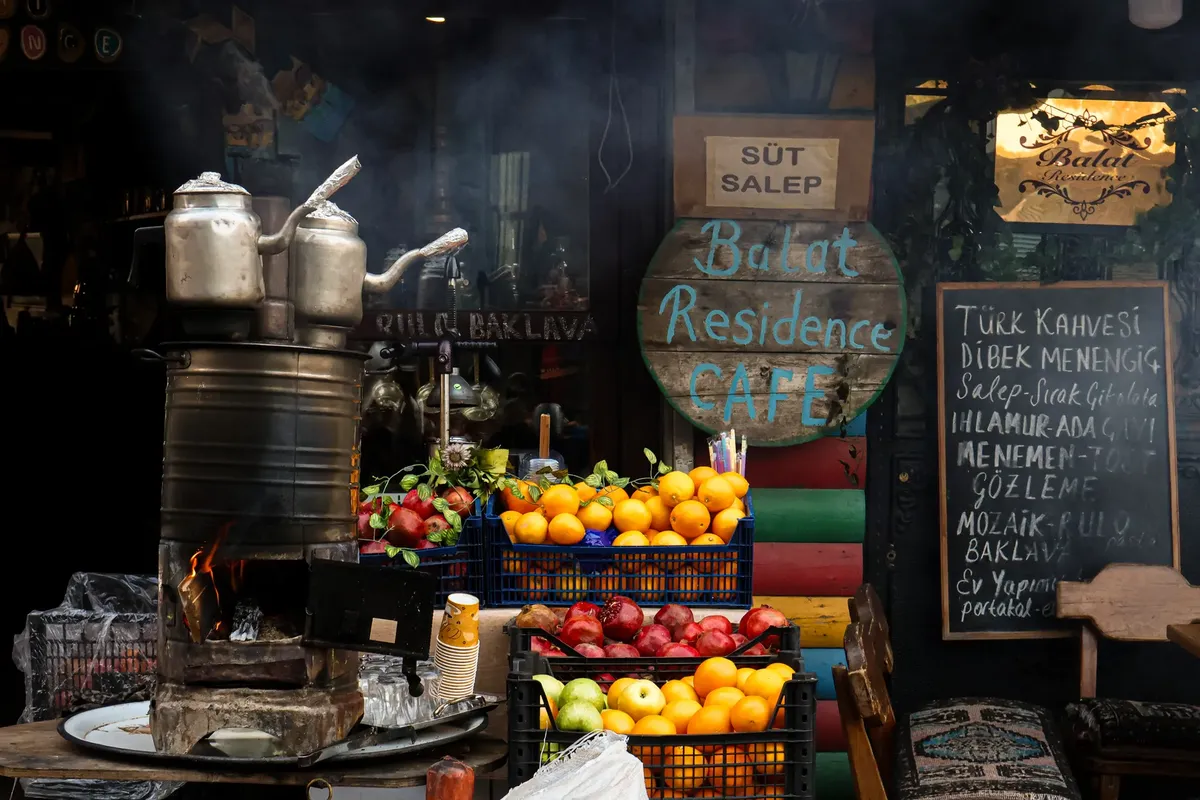
The search for a neighborhood cafe traditional food experience often begins with observing the seasonal offerings on a chalkboard. A visitor might notice a menu featuring seasonal rice cakes or fermented tea, signaling a deep connection to local agriculture.
By seeking out these subtle cues, one can find a taste of region cafe experiences that are both authentic and comforting.
What defines a taste of region cafe experience? Local cafe traditional food
In the quiet morning light, I lift a heavy ceramic cup and savor the unique taste of region cafe food.
A barista carefully pours a thick, traditional tea into a ceramic cup, matching the aesthetic of the hand-crafted snacks on the counter. The balance between the bitter notes of tea and the sweetness of local treats defines the atmosphere.
A taste of region cafe experience is characterized by the use of locally sourced, seasonal ingredients that reflect the geography of the area. Unlike standardized menus, these cafes prioritize the unique flavors of their immediate surroundings to create a sense of place.
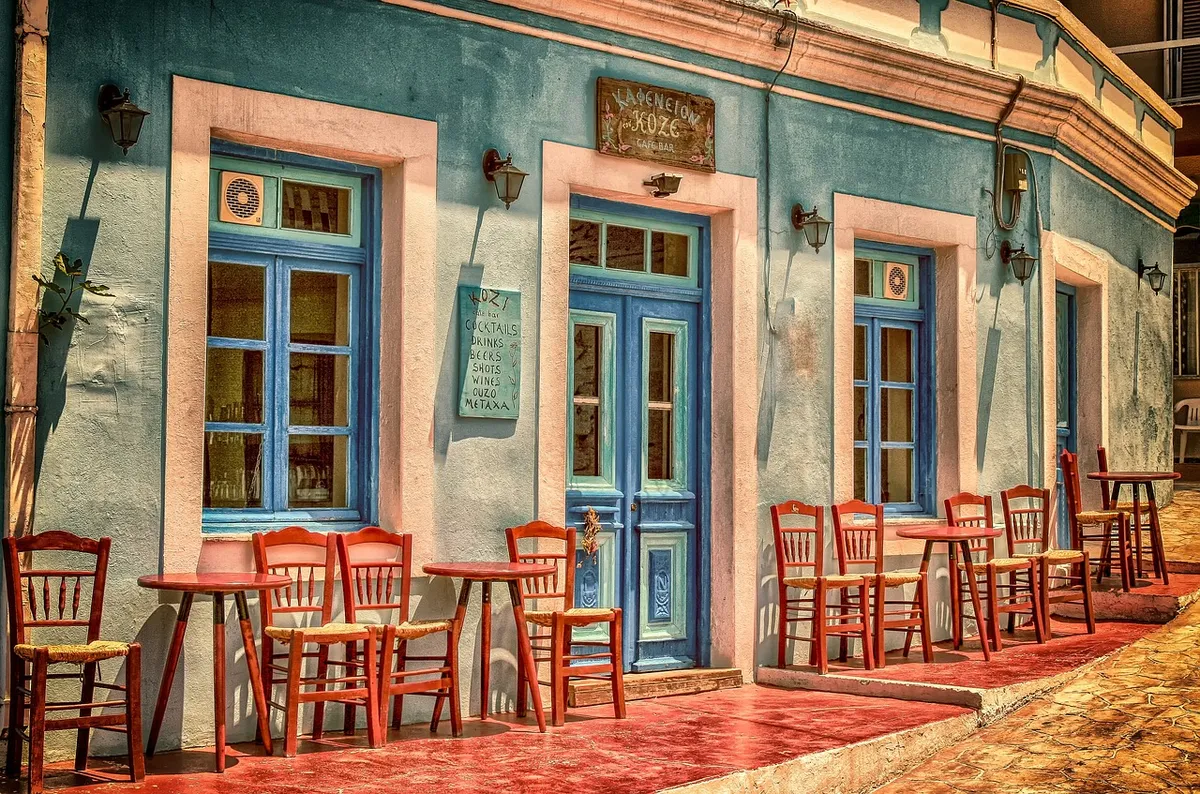
The menu often reflects the agricultural history of the land, such as the 16.1% agricultural land share in South Korea recorded in 2023, according to World Bank data. This connection to the land ensures that the food serves as a living history of the community.
Such authentic bites provide a sensory connection to the roots of the region.
Why is the connection to land important?
A farmer delivers a crate of fresh seasonal produce to a small cafe, ensuring the morning's menu is entirely local. This direct relationship sustains both the producer and the artisan.
The connection to the land is vital because it dictates the availability and character of the ingredients used in traditional recipes. Because food production is intrinsically linked to the environment, the flavors found in a cafe are a direct result of the local soil and climate.
This highlights how much our food systems influence the natural landscape. Understanding this relationship helps diners appreciate the delicate balance required to sustain traditional food production.
How to enjoy traditional bites cafe items?
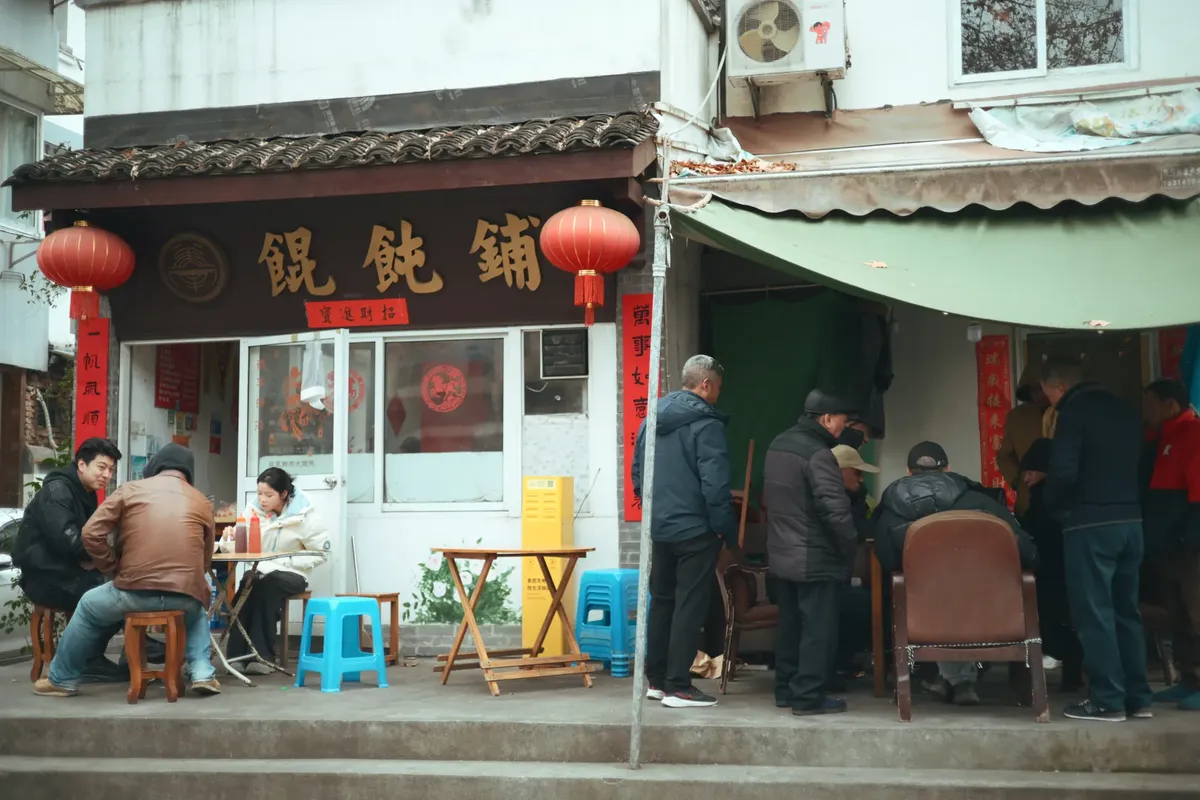
A customer sits by a window, slowly peeling a piece of traditional confectionery while watching the street life pass by. The ritual of eating becomes a moment of quiet reflection.
To fully enjoy a traditional bites cafe experience, follow these steps:
- Observe the seasonal menu to understand which ingredients are currently at their peak. 2. Pair traditional snacks with appropriate local beverages, such as grain teas or fermented drinks, to balance flavors. 3. Take time to appreciate the textures and subtle aromas that characterize handmade goods.
I once sat in a small cafe and realized that the slow pace of eating these traditional items was just as important as the flavors themselves. By following these steps, you can turn a simple snack into a meaningful cultural encounter.
Can we compare local ingredients?
A table holds two different types of traditional cakes, one made of rice and the other of flour, to show the variety of local sweets. The visual contrast is striking.
| Ingredient Type | Primary Texture | Common Use |
|---|---|---|
| Rice-based | Chewy and dense | Seasonal festive treats |
| Flour-based | Soft and delicate | Daily tea accompaniments |

Exploring these differences allows a visitor to understand the diverse culinary techniques used in regional cooking.
- How can we find a local food spot?
- What defines a taste of region cafe experience?
- Why is the connection to land important?
The subject here is Local cafe traditional food.
The same subject is also called Neighborhood cafe eats.
The same subject is also called Old ways cafe.
The same subject is also called Local taste cafe.
This part also covers Cafe with local dishes.
Related
- Here are some hidden cafes within Seoul that offer a great
- Korea transport security tips: Slow speed 40 mph 64 km/h
How do we balance tradition and modern lifestyle?
Finding the right balance between tradition and modern lifestyle involves selecting cafes that maintain historical recipes while utilizing contemporary service. A visitor can achieve this by choosing establishments that use modern espresso machines to serve traditional, slow-cooked ingredients.
One might compare the convenience of modern cafe culture with the slow-cooked nature of regional specialties. While modern settings provide accessibility, the traditional flavors offer a connection to the past.
This intersection allows for a unique dining experience where the speed of the modern world meets the patience of historical food preparation.
What should one be cautious of when visiting?
When visiting these spots, one should be cautious of assuming that all cafes with traditional signage offer authentic regional specialties. Some establishments might use the aesthetic of tradition without adhering to the actual historical recipes or seasonal ingredient requirements.
To ensure an authentic experience, compare the offered menu against the seasonal availability of local ingredients. If a cafe claims to offer seasonal items but lacks variety, it may not be following the true connection to the land.
Always observe if the ingredients reflect the local agricultural history to avoid standardized, mass-produced alternatives.




Comments 0