Korea transport security tips: Slow speed 40 mph 64 km/h
"Safety is not merely the absence of accidents, but the presence of predictable movement within a shared space."
Navigating foreign roads requires an understanding of local signaling and lane discipline to maintain personal security. Travelers should focus on mastering directional cues, understanding lane usage, and respecting local speed indicators to ensure safe transit.
This guide covers basic traffic principles and provides Korea transport security tips for smoother journeys.
Why does understanding traffic flow matter?

A driver grips the steering wheel while watching the cars ahead merge into a single lane. Understanding the mechanics of movement prevents sudden stops and maintains the natural rhythm of the road.
The purpose of directional signals is to indicate a driver's intention to depart from the current or natural flow of traffic. This communication should occur well before the departure is actually executed, typically following a 3-second guideline.
Adhering to these timing standards helps prevent collisions during lane changes.
Effective communication through signals is a cornerstone of Korea traffic safety guide principles. Without clear intention, the flow of traffic becomes unpredictable for everyone involved. Maintaining this predictability is essential for preventing sudden braking or side-impact accidents.
How do lane rules affect road security? Korea transport security tips
On a wide highway, a traveler watches a car glide between lanes, feeling the rush of wind through the open window in Korea.
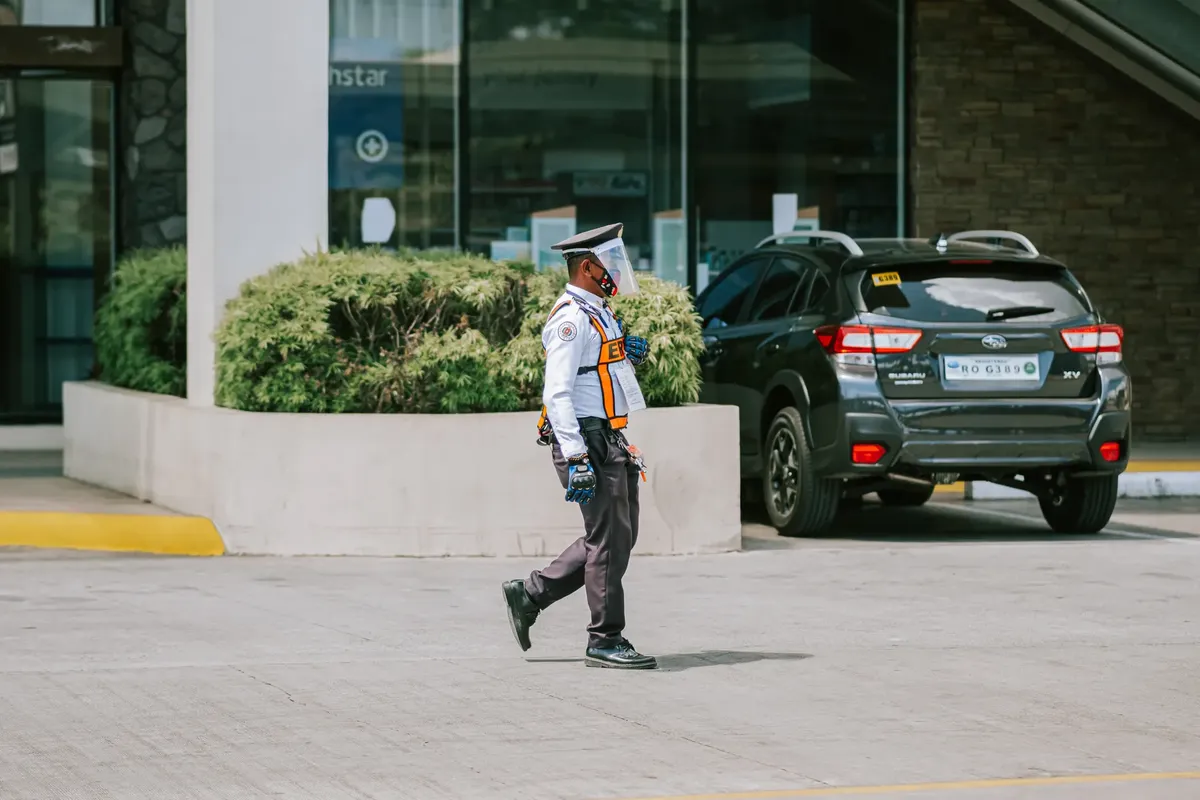
A traveler watches a car overtake another vehicle on a wide highway, moving smoothly between lanes. Rules regarding which lane to occupy are designed to manage the speed and volume of traffic efficiently.
In certain regions, traveling in any lane other than the "slow" lane on a road with a speed limit at or above 80 km/h (50 mph) is an offense, unless signage is posted to the contrary or the driver is overtaking.
While specific laws vary by country, the concept of lane discipline remains a universal safety standard.
Learning these nuances is part of developing comprehensive travel security in Korea. Following the established flow helps prevent congestion and reduces the likelihood of high-speed collisions. Understanding when to overtake or stay in a specific lane keeps the traffic moving predictably.
What role do speed indicators play?
A driver glances at a roadside sign while maintaining a steady pace on an open stretch of road. Speed-related signage provides vital information to keep vehicles moving at compatible rates.
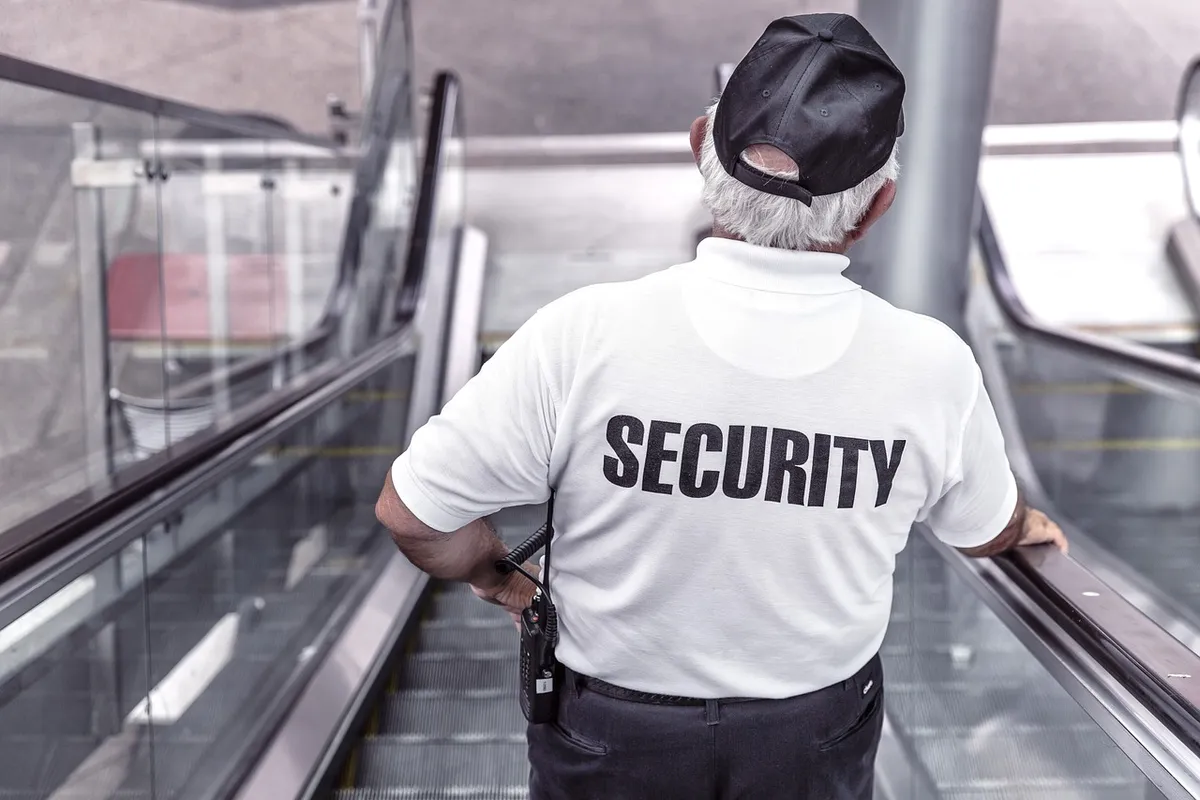
Minimum speed signs are sometimes posted, though they are increasingly rare in modern settings. These signs usually indicate that any vehicle traveling slower than 40 mph (64 km/h) should indicate a slower speed of travel to other motor vehicles by engaging the vehicle's four-way flashing lights.
This ensures that faster-moving traffic is aware of the speed differential.
Recognizing these signals is a key component of Korea transit accident cases prevention. Using hazard lights to signal slow movement prevents rear-end collisions from approaching vehicles. Staying aware of these visual cues helps manage the risks of varying vehicle speeds.
How can travelers prepare for transit?
A person sits at a cafe, checking a digital map and reviewing transit routes on a smartphone. Preparation involves studying the local environment before stepping onto the road or into a vehicle.
To manage transit risks effectively, follow these steps:
- Research the specific lane-use laws and signaling expectations of the destination country. 2. Observe local drivers to understand the typical timing for signaling and lane changes. 3. Familiarize yourself with local speed limit signs and specific warnings regarding slow-moving vehicles.
Always perform a final check of your surroundings and the vehicle's dashboard before starting a journey. I found that reviewing these basic signaling rules helped me feel much more confident when navigating unfamiliar intersections.
What are the limitations of traffic safety knowledge?
A driver stares at a heavy truck merging onto a busy highway during a rainstorm. Certain conditions can render standard safety knowledge insufficient or complicate the application of rules.
A limitation of relying solely on standard signaling is that the actual usage of directional signals varies greatly amongst countries. For example, a 3-second signal might be the norm in one place but may not be the local habit elsewhere, potentially leading to confusion.
Because the purpose is to indicate intention to depart from the flow, any deviation from local habits can cause friction.
| Feature | Standard Guideline | Variable Reality |
|---|---|---|
| Signal Timing | 3 seconds before departure | Varies by country |
| Lane Usage | Overtaking or slow lane | Depends on local signage |
- Why does understanding traffic flow matter?
- How do lane rules affect road security?
- What role do speed indicators play?
The same subject is also called Korea transit safety cases.
The same subject is also called Safe travel in Korea tips.
This part also covers How to stay safe in Korea.
This part also covers Korea travel security advice.
Korea transit accident cases
Related



Comments 0