Daegu traditional eatery guide: Discover deep local flavors
This guide explores the enduring legacy of Daegu's culinary heritage through its most storied local eateries. Visitors can discover how historical recipes maintain their character despite urban changes, learn the specific flavor profiles that define the region, and understand the cultural importance of these long-standing establishments.
* Discover the historical roots of traditional flavors. * Understand the specific taste characteristics of local dishes. * Learn how to navigate these historic culinary landmarks.
What defines the taste of old Daegu eatery?
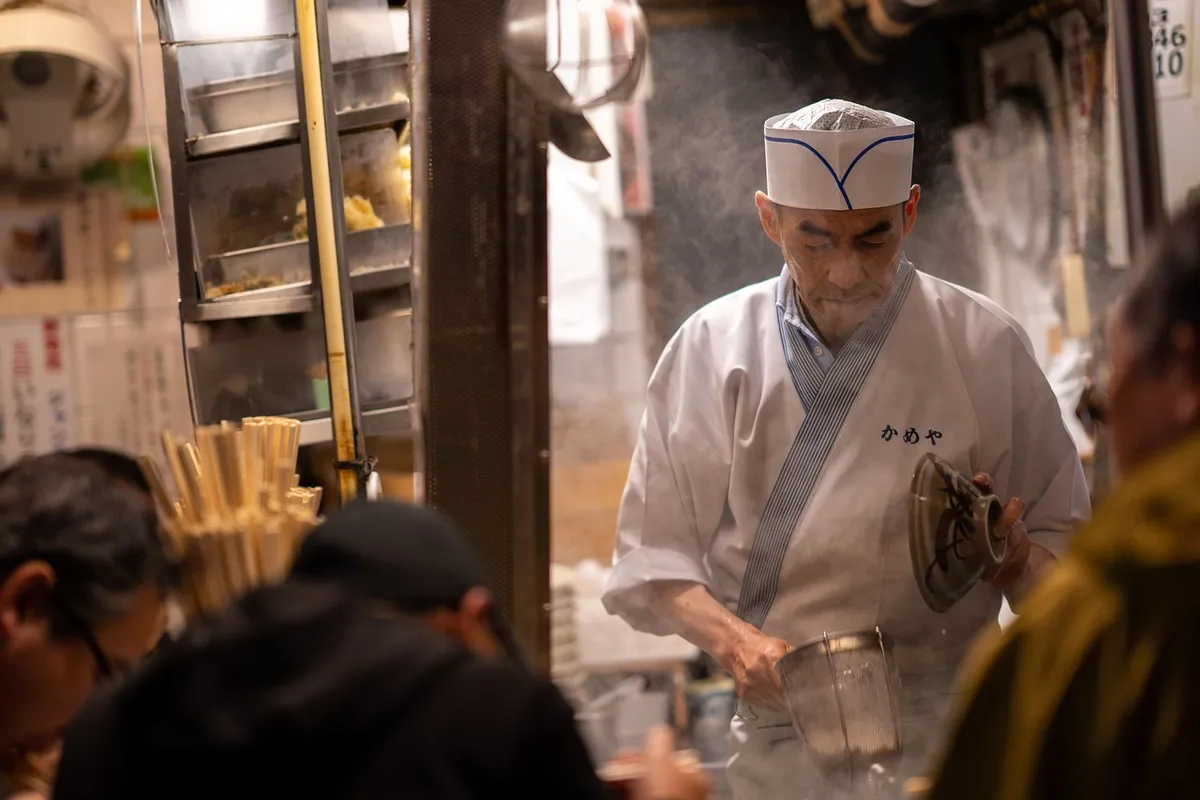
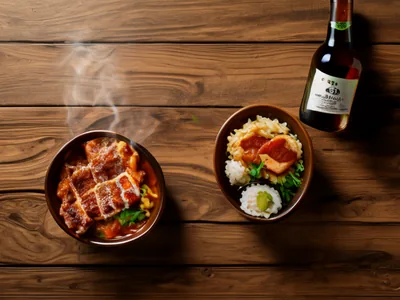
A heavy steam rises from a seasoned iron pot in a narrow alleyway. The aroma of fermented paste and slow-simmered broth fills the air, signaling a meal prepared with decades of consistency.
The essence of the local cuisine lies in its deep, savory profiles often achieved through long fermentation and specific regional ingredients.
While many modern trends favor light or sweet flavors, these traditional spots prioritize a robust, umami-heavy base that provides a sense of nostalgic comfort. This specific flavor profile serves as a living history of the city's culinary evolution.
The flavor profiles are often shaped by the historical necessity of preserving food in the warm climate of the region. This led to a mastery of fermentation techniques that remain central to the identity of these establishments.
However, the specific flavor profile may vary depending on the individual chef's unique touch.
How can you find an authentic Daegu traditional eatery guide?
I trace my fingers over the worn wooden table in a quiet daegu side street while the golden light of sunset warms my skin.
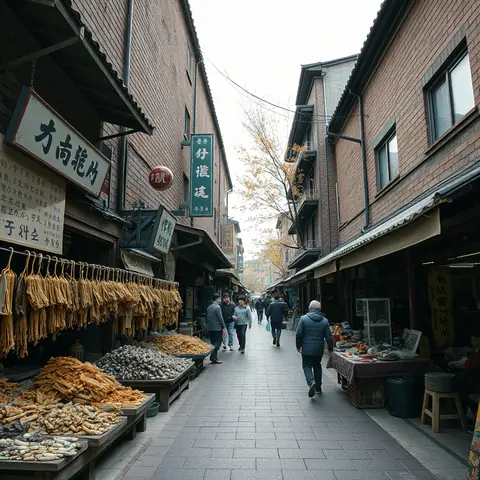
Walking through a bustling market, one notices the difference between a modern franchise and a small, family-run shop with worn wooden tables. The seasoned surfaces tell a story of thousands of meals served over many years.
Finding these locations requires moving beyond the main thoroughfares into the side streets where the original flavors are preserved. An authentic Daqeu traditional eatery guide focuses on establishments that have maintained their original recipes through multiple generations.
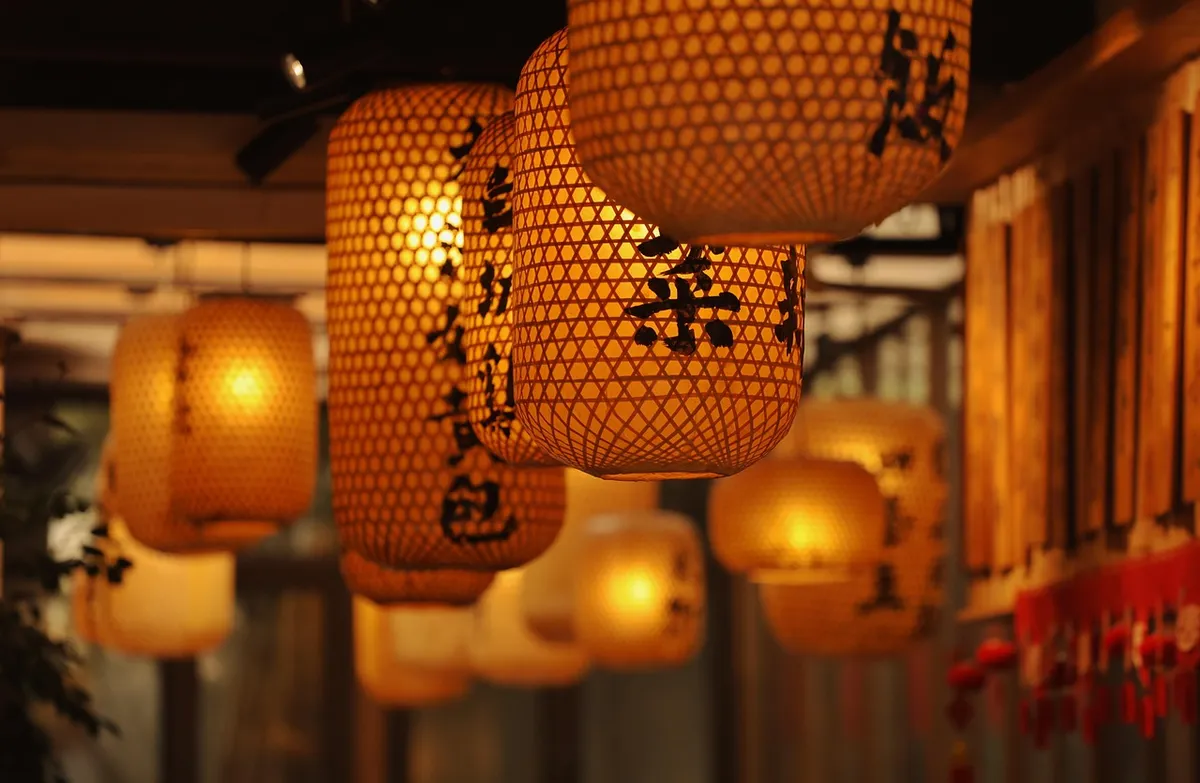
These places often lack flashy signage but offer a direct connection to the city's gastronomic past.
- Identify neighborhoods with long-standing market histories. 2. Look for shops that utilize traditional cooking methods like charcoal or stone pots. 3. Observe the consistency of the menu, which often remains unchanged for decades.
I remember sitting at a small, low table in a crowded corner, watching the owner prepare the same signature dish exactly as they did years ago.
This guide serves as a starting point for your culinary journey.
Why is preserving regional flavors important?
As the morning sun hits the kitchen, I watch the chef's steady hands preserve the soul of daegu through a single spoonful of broth.
The sound of a rhythmic knife against a cutting board echoes through a quiet morning kitchen. A seasoned chef handles ingredients with a practiced hand, ensuring every portion meets a standard established decades ago.
Preserving regional flavors is about maintaining the cultural identity of the community. These recipes are not just food; they are much more than simple sustenance, acting as a bridge between the past and the present. When these flavors are lost, a piece of the city's intangible heritage disappears.
Modernization often brings a desire for standardized tastes, but these traditional spots resist that trend to protect their unique identity. This resistance ensures that future generations can still experience the authentic taste of old Daegu eatery.
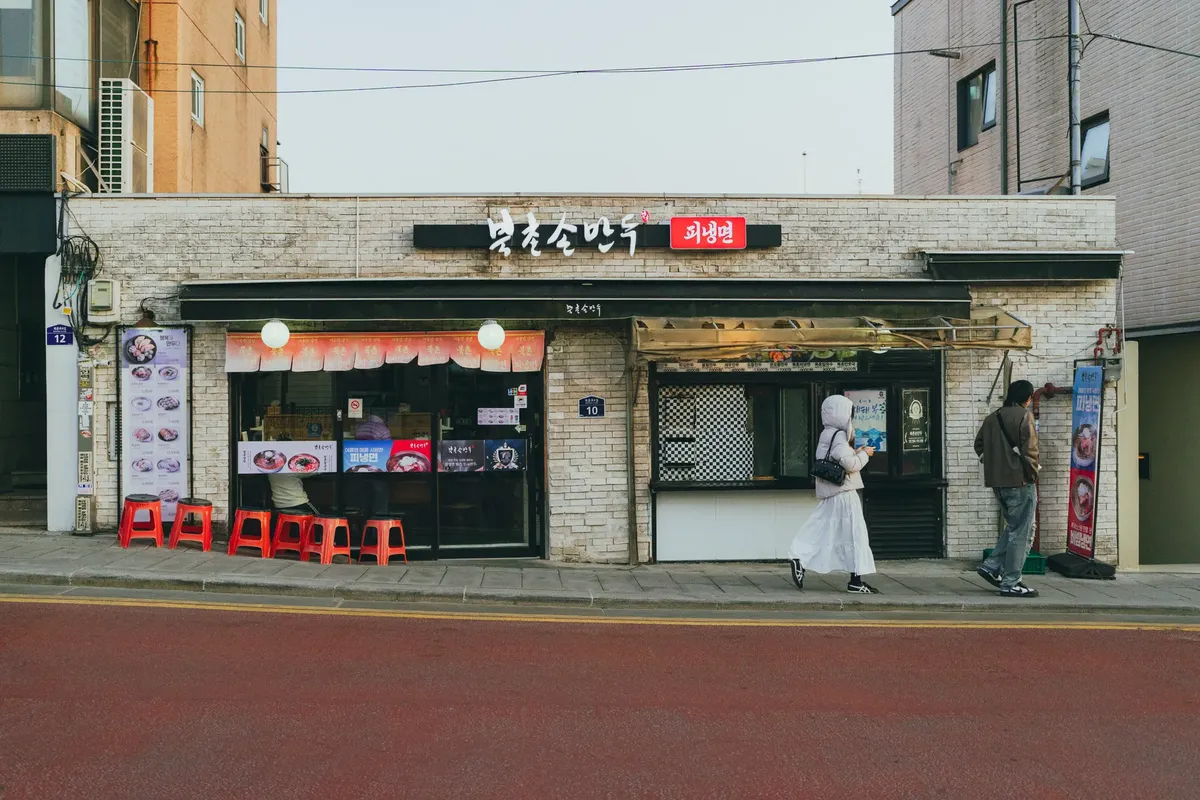
Maintaining these traditions ensures that future generations can experience the same heritage.
What are the characteristics of historic local dining Daegu?
A heavy ceramic bowl is placed on a wooden tray, still bubbling from the heat of the stove. The steam carries a scent that is both familiar and deeply rooted in the local soil.
Historic local dining Daegu is characterized by a focus on seasonal ingredients and time-intensive preparation. Unlike the rapid service of modern fast food, these establishments often require patience, as the flavors are built through slow cooking or natural aging processes.
This approach results in a depth of flavor that is difficult to replicate in a modern setting.
Authentic Daegu cuisine spot seekers often look for the balance of spice and savory notes that are unique to this area. This balance was perfected over generations to suit the local palate.
The atmosphere may not suit those seeking modern or high-tech dining environments.
How do you navigate the taste of old Daegu eatery?
A traveler consults a map while standing at a busy intersection, looking for the narrow path that leads to a legendary kitchen. The transition from the loud street to the quiet, fragrant interior of the restaurant is immediate.
Navigating these spots requires understanding that the best meals are often found in the most unassuming locations. An authentic Daegu cuisine spot might be tucked away behind a modern building or located in an older residential district.

Success in finding these gems often involves following the local consensus rather than digital popularity rankings.
The history of the city is reflected in these dining halls, where the culinary techniques of the past meet the hungry travelers of the present.
In this sequence, the second step is the most significant.
- What defines the taste of old Daegu eatery?
- How can you find an authentic Daegu traditional eatery guide?
- Why is preserving regional flavors important?
The same subject is also called Old Daegu taste restaurant.
This part also covers Daegu culinary history tour.
This part also covers Modern twists on tradition.
Related




Comments 0