Daegu traditional food tour: Guide to regional flavors
"The essence of a journey is often found in the flavors that define a region's history."
A Daegu traditional food tour offers a deep dive into the culinary heritage of southeastern South Korea. This guide explores how to navigate the city's flavors, provides practical travel tips for the region, and outlines the budget considerations for a successful food trip.
* Understand the regional flavors through a Daegu traditional food tour. * Plan your travel logistics using high-speed rail and local transit. * Manage meal budgets with an average of $7-11 USD per person. * Navigate the seasonal climate of the region.
How to plan a Daegu traditional food tour?
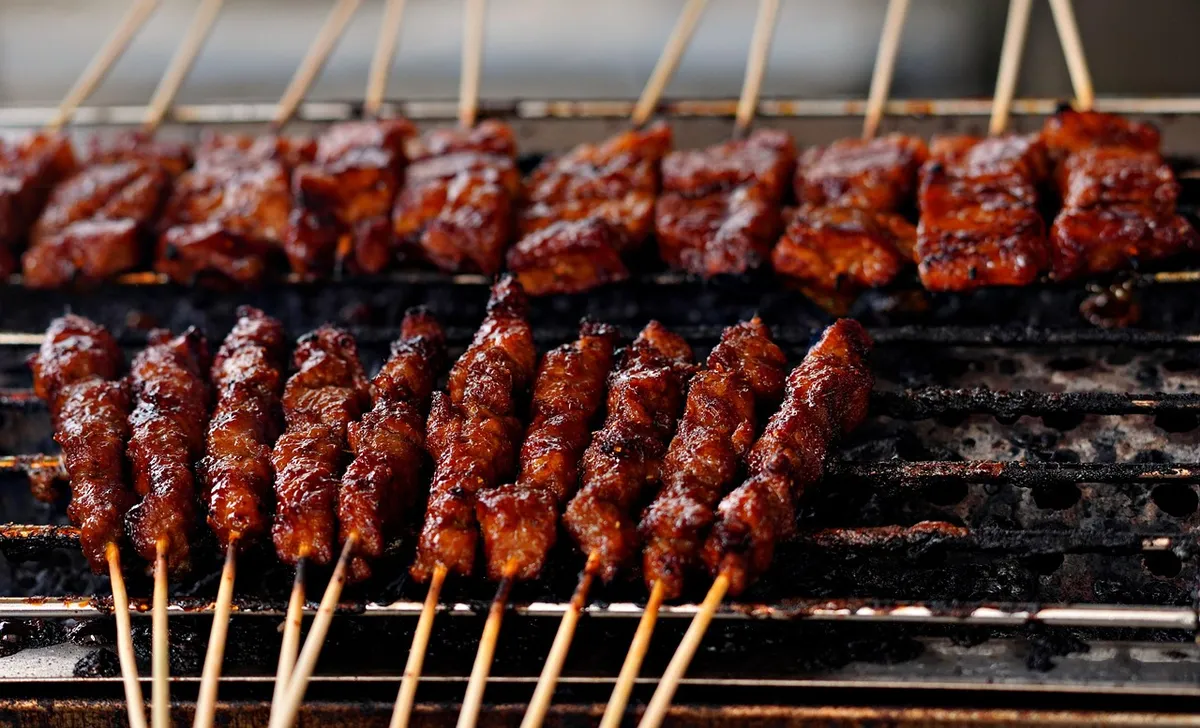
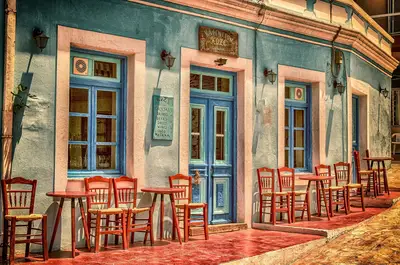
A traveler stands at a busy street corner, watching steam rise from a nearby kitchen as the scent of seasoned broth fills the air. Planning a Daegu traditional food tour requires understanding the local transit and the timing of your visit.
The city is well-connected to other major hubs, making it easy to reach. For instance, Daejeon is approximately 50 minutes from Seoul by KTX or SRT high speed rail. This makes starting a food tour from a major hub quite efficient.
Traveling between cities is straightforward with rail options. Busan is just a 2-3 hour train ride from Seoul, which helps in planning a multi-city itinerary. Having these connections allows you to move between different culinary landscapes with ease.
Budgeting is an essential part of the process. An average restaurant meal may be $7-11 USD per person. Keeping this range in mind helps in deciding how many local specialties you can sample in one day.
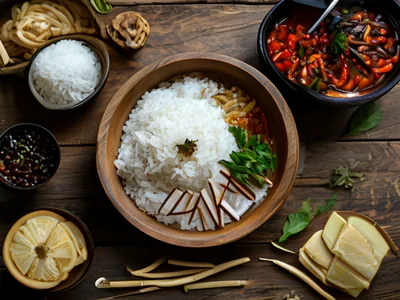
What are the best traditional foods in Daegu? A visitor sits at a small wooden table, eyeing a steaming plate of local specialties while the sounds of the city hum outside. Finding the best Daegu traditional eats involves looking for authentic, long-standing local recipes.
While specific local dishes are the goal, understanding the broader Korean food landscape helps. For example, in the broader context of the country, the World Bank reported that South Korea recorded an agricultural land share of 16.0% in 2024.
This agricultural foundation supports the ingredients used in many traditional meals.
You can also rent a car in South Korea for as cheap as $28 USD a day. For those wanting to reach more remote traditional eateries, a rental car provides flexibility.
A Daegu food trip itinerary should balance famous spots with hidden gems. Taking the time to wander through local markets often leads to the most authentic experiences.
How to manage a Daegu food trip itinerary?
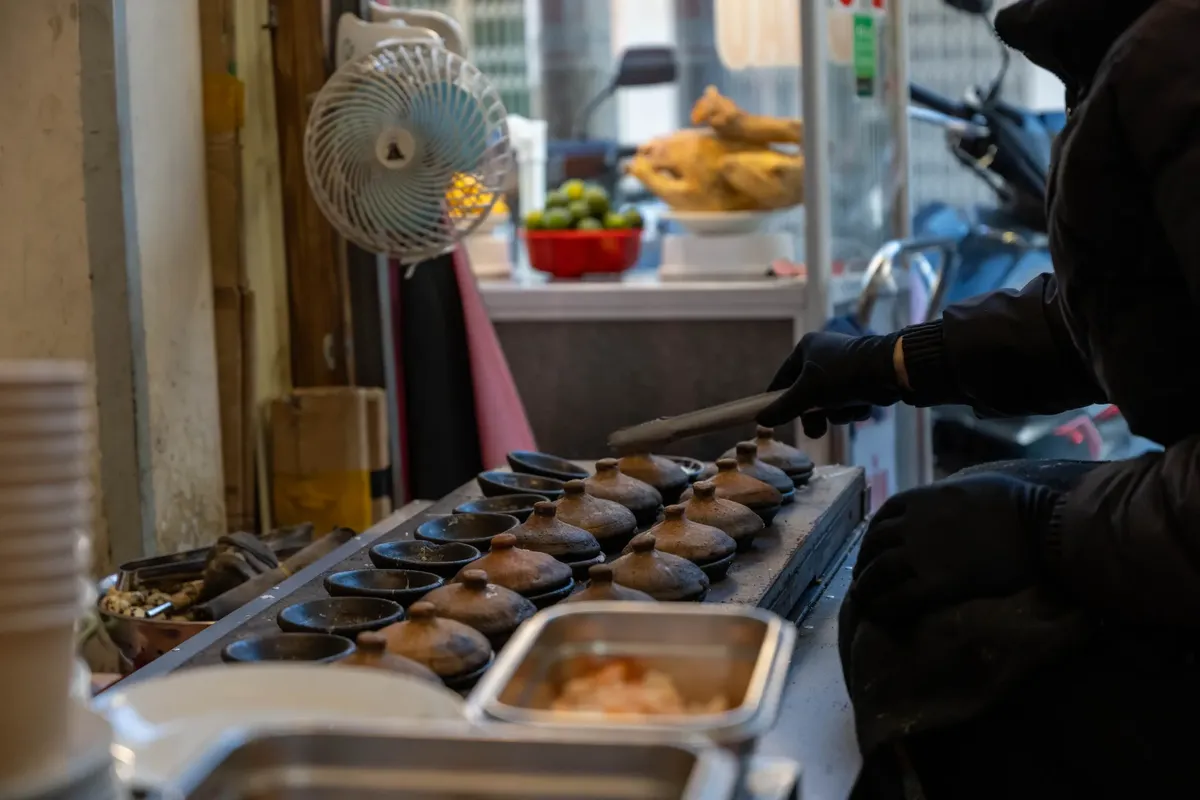
A traveler checks a digital map on a smartphone while walking through a bustling market square. Building a Daegu food trip itinerary requires balancing travel time with meal times.
First, determine your starting point and transit method. Since Daejeon is a major transportation hub, it serves as an excellent jumping-off point for traveling south.
Second, consider the seasonal weather when scheduling outdoor food walks. Summers are hot and humid with a monthly mean temperature of 25.6 °C (78.1 °F) in August, so plan for indoor dining during peak heat.
Third, use local transit to move between food districts. The only public transit available is bus, but Jeju by bus is 100% possible, and similar bus networks exist throughout the mainland.
Check your itinerary to ensure you have enough time to enjoy each meal without rushing to the next destination.
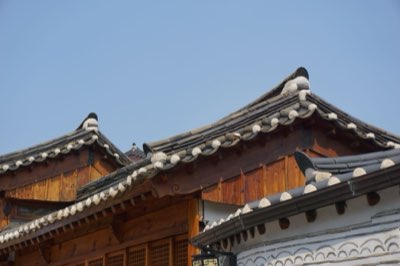
What does the history of Daegu taste like? A person walks through an old neighborhood, where the architecture tells stories of a bygone era. Exploring the taste of Daegus history means looking for dishes that have survived generations of change.
Traditional medicine and food are often linked in Korean culture. In 2007, the World Health Organization (WHO) decided to include the International Classification of Traditional Medicine (ICTM) in the derived classifications.
This reflects the long-standing importance of standardized medicinal and dietary traditions.
A Daegus local food guide should emphasize these historical connections. Many traditional foods were developed to provide nutrition and health benefits to the local population.
I found that checking the history of a dish makes the meal even more meaningful.
How to handle seasonal changes during a Daegus culinary history tour?
A traveler pulls a light jacket closer as the evening air turns crisp. A Daegus culinary history tour must account for the changing seasons to ensure comfort while eating.
Winters are cold and dry with a monthly mean temperature of −1.0 °C (30.2 °F) in January. During these months, warm, hearty soups and stews are the perfect way to experience the local flavors.
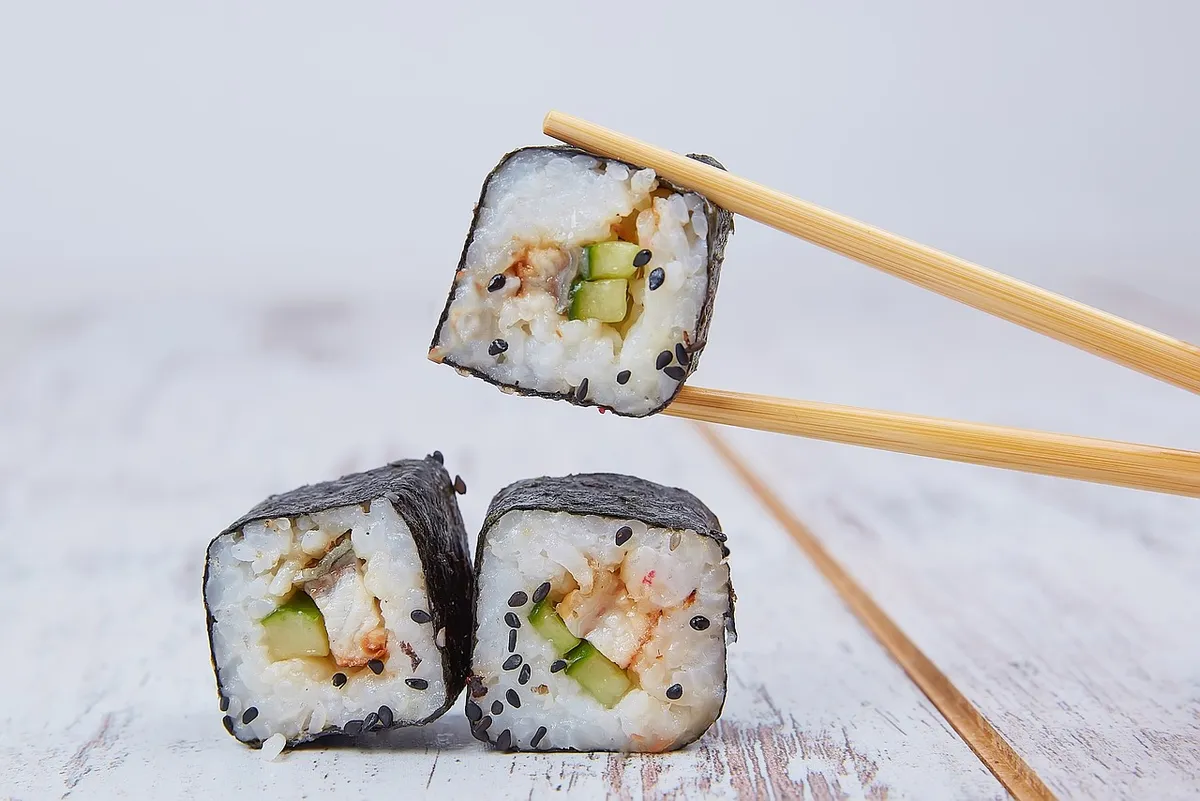
The transition between seasons can affect ingredient availability. Planning your trip during shoulder seasons can offer a variety of fresh, seasonal produce.
A limitation of outdoor food tours is the extreme temperature shifts during winter months.
- How to plan a Daegu traditional food tour?
- What are the best Daegu traditional eats?
- How to manage a Daegu food trip itinerary?
The same subject is also called Daegu local food guide.
The same subject is also called Taste of Daegu history.
This part also covers Exploring Daegu food culture.
Related
- Daegu traditional eatery guide: Discover deep local flavors
- Best Korean traditional food: Why its history matters guide
What is the essence of the journey?
The essence of the journey lies in the flavors that define a region's history, offering a deep dive into the culinary heritage of southeastern South Korea. This aspect is revealed through the specific dishes encountered during the Daegu traditional food tour.
- The flavors encountered during the tour reflect the long-standing traditions of the region. 2. The journey allows travelers to connect with the historical context embedded in the local cuisine. 3. This connection between taste and history forms the core of the entire experience.
What is the comparison between travel options?
The comparison between travel options highlights the efficiency of using high-speed rail versus local transit. High-speed rail connects major centers like Seoul and Daejeon efficiently, while local transit allows for granular movement within food districts.
- High-speed rail provides swift passage between major hubs, such as the connection between Seoul and Daejeon. 2. Local transit, like buses, facilitates movement between smaller culinary locations within the region. 3. The choice depends on whether the goal is inter-city travel or in-depth local exploration.
Future of Traditional Korean Medicine depends on 'scientization' and standardization Based on the retained excerpt mentioning World Health Organization: In 2007, the World Health Organization (WHO) decided to include the International Classification of Traditional Medicine (ICTM) in the derived classifications based on the reference classification of ...

Comments 0