Gyeongsangbuk Traditional Food Tour: How to plan
"The true essence of a region is often found in the steam rising from a local market stall or the soil that nurtured its staple crops."
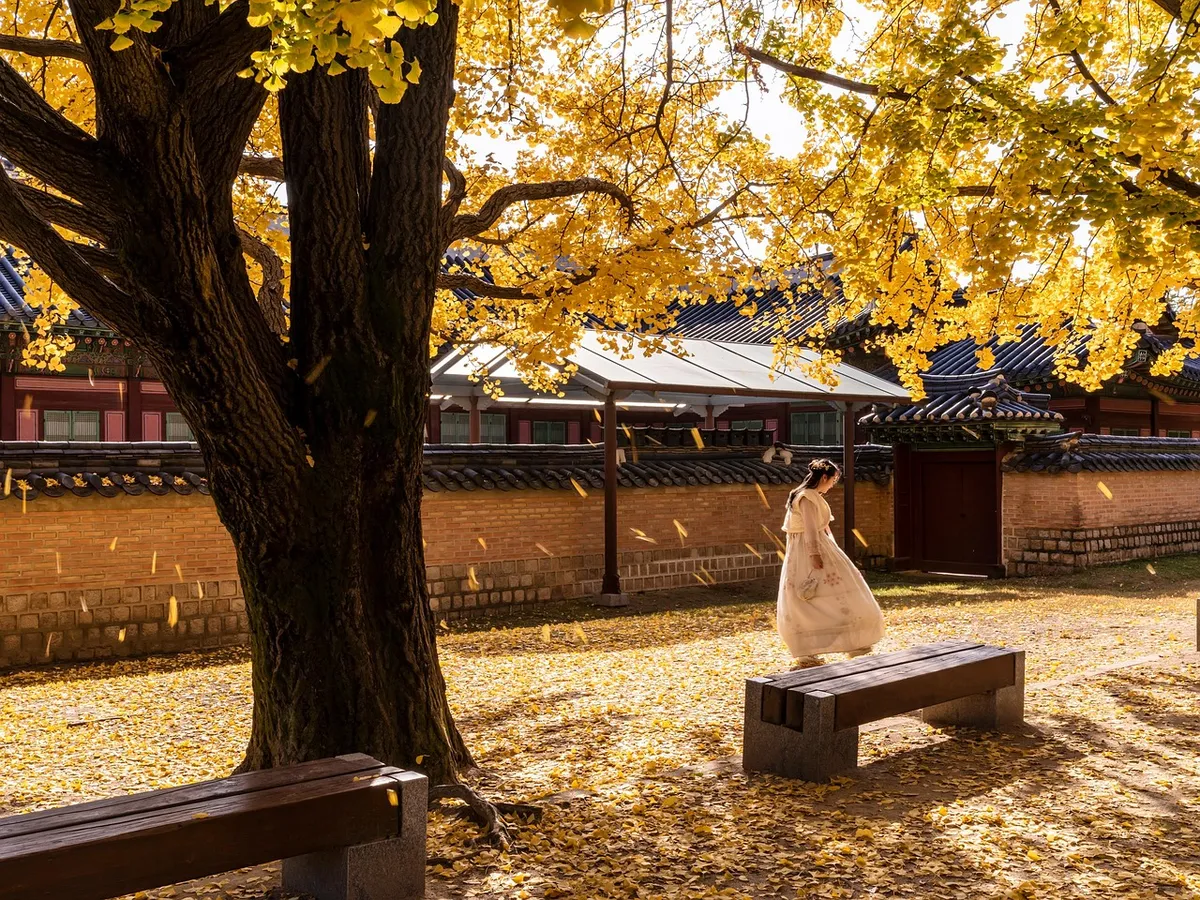
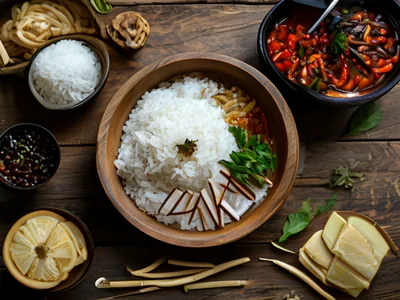
A Gyeongsangbuk Traditional Food Tour offers a deep dive into the flavors and heritage of one of Korea's most culturally significant provinces. Travelers can explore historic markets, participate in hands-on culinary experiences, and connect with the land through seasonal ingredient harvesting.
Key takeaways: * Explore heritage through authentic local markets and traditional cooking. * Understand the connection between geography and regional food staples. * Plan a route that balances culinary tasting with historical sightseeing.
How to plan a Gyeongsangbuk Traditional Food Tour?
At dawn, I trace my finger over a paper map of gyeongsangbuk while the cold wind bites my skin.
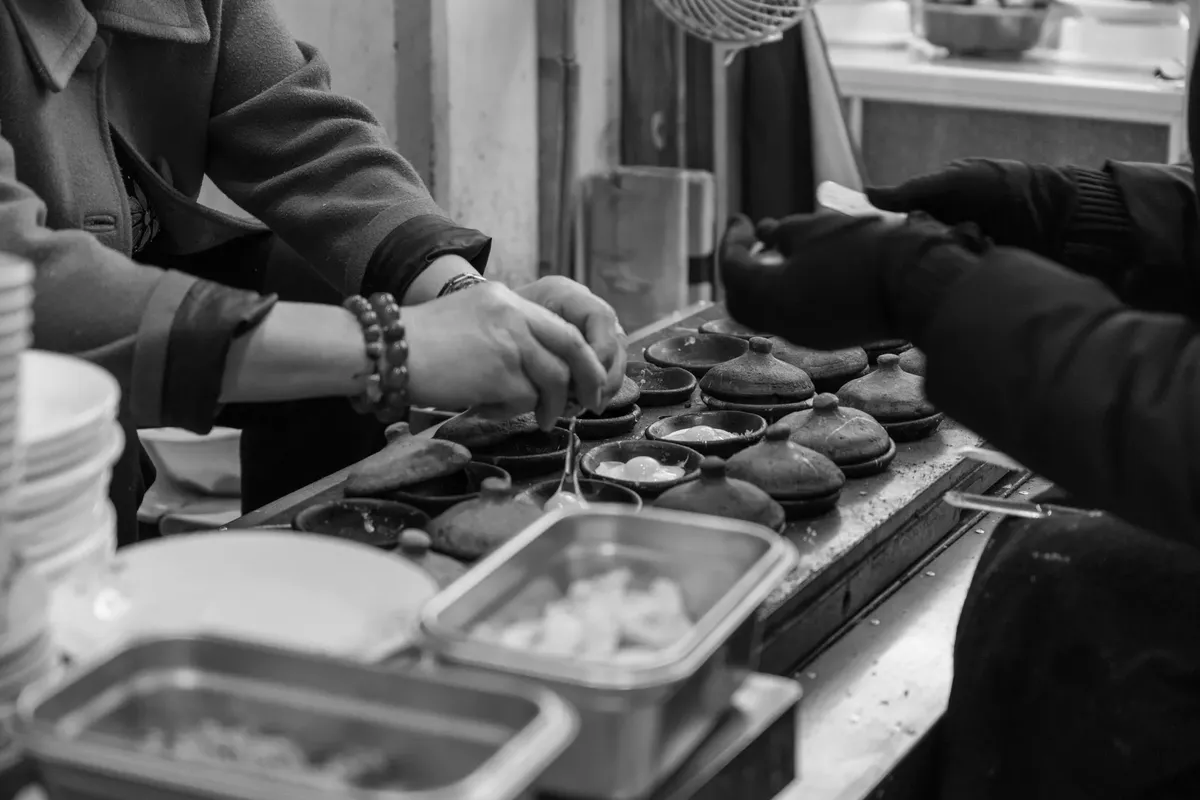
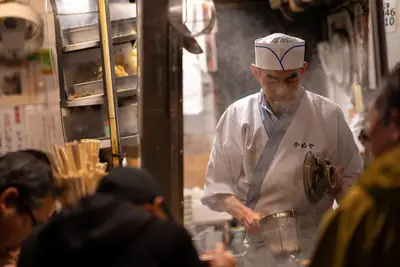
Walking through a bustling morning market provides the perfect starting point for any culinary adventure. A well-structured itinerary should prioritize local specialties that reflect the unique geography of the province.
To begin your journey, focus on these three essential steps: 1. Identify regional specialties such as fermented goods or mountain vegetables unique to specific counties. 2. Visit local traditional markets to witness how seasonal ingredients are sourced and traded. 3.
Schedule hands-on cooking classes to learn the techniques behind ancestral recipes.
After selecting your starting point, perform a final check to ensure your travel dates align with seasonal harvest festivals. This ensures you experience ingredients at their peak freshness.
- Research regional specialties unique to the Gyeongsangbuk province.
- Map out the locations of historical markets and traditional eateries.
- Coordinate your travel itinerary to balance dining with sightseeing.
Why is a local food journey so meaningful?
In a quiet village kitchen, I taste the salt of the earth during my gyeongsangbuk journey.
Stepping into a small village kitchen reveals the history of a people through their recipes. A local food journey allows travelers to see how much of a culture is preserved through the preservation of taste.
A Heritage Taste Trip connects travelers to the past by highlighting how natural landscapes dictated what people ate for centuries. This type of travel turns a simple meal into a lesson in history and survival.
Exploring these flavors provides a deeper understanding of the relationship between humans and their environment. Every dish tells a story of the hands that prepared it.
I find that the second step in this process is the most significant.
According to World Bank, the 2024 record includes 16.0%.
What makes a culinary history walk unique?
Walking through an old town square at sunset, the scent of woodsmoke and spices fills the air. A culinary history walk transforms a standard sightseeing trip into an educational exploration of cultural evolution.
This experience focuses on the transition of ingredients from field to table over generations. By following the lineage of a single dish, you can trace the movement of people and trade through the province.
An Ancient Dishes Tour serves as a living museum where the exhibits are edible. You learn how preservation methods like fermentation were developed to manage food supplies throughout the year.
How can you experience the flavors of the land?
Standing in a wide field under a bright sun, one realizes that the terrain itself dictates the menu. A Taste Gyeongsangbuk Roots experience focuses on the direct connection between the soil and the soul of the province.
The unique topography of the region often requires specific farming techniques to manage water and soil quality. For example, in certain hilly regions, sweet potato fields cover more than 70 percent of the slopes because they are useful for draining water.
This natural characteristic influences the texture and flavor of local crops. Understanding these environmental factors adds a layer of depth to every bite you take.
Can you combine food with nature?
Hiking through a lush forest or sitting by a mountain stream offers a refreshing break from the city. Combining a food tour with natural exploration allows for a multi-sensory way to engage with the country.
A Local Food Journey becomes even more immersive when it includes outdoor activities like foraging or visiting hillside farms. This balance ensures that the trip is both physically engaging and culturally enriching.
Traveling through varied landscapes provides a glimpse into how different altitudes and climates produce diverse ingredients. This variety makes the province a playground for food lovers.
What are the limitations of a food-focused tour?
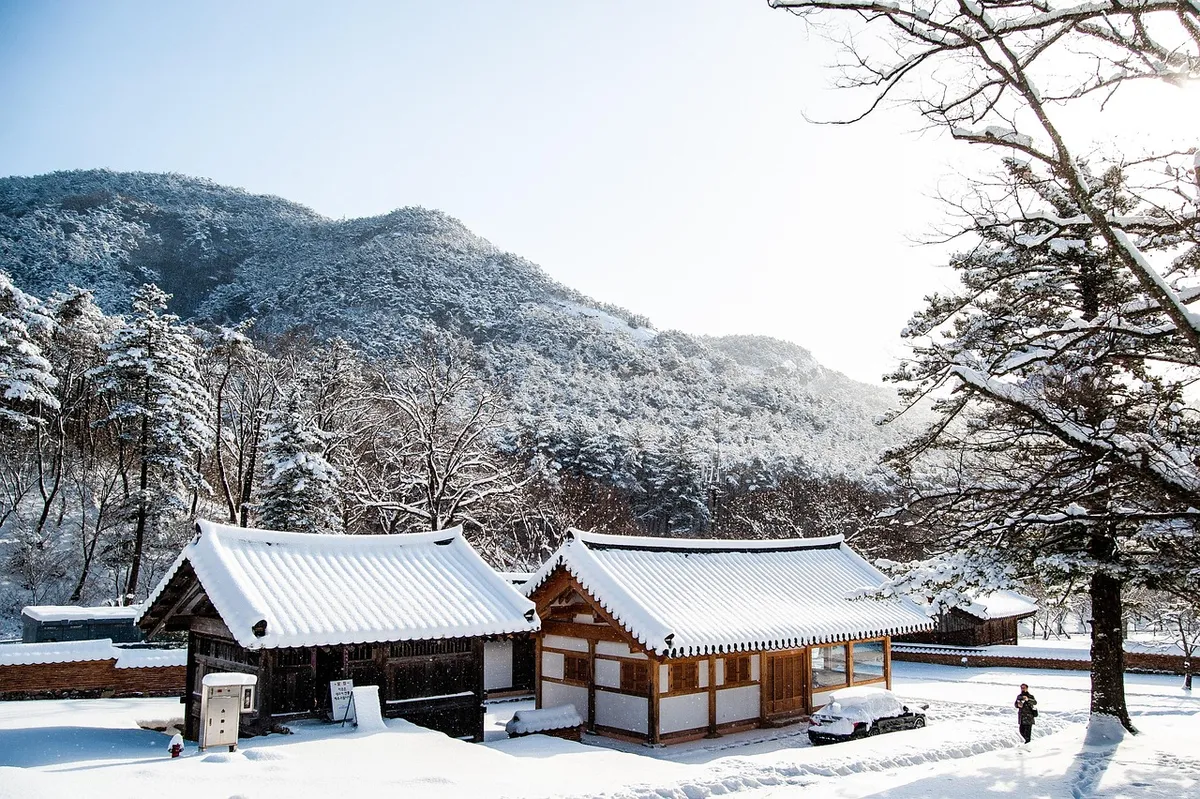
Traveling through remote rural areas often requires careful logistical planning. While the food is exceptional, the infrastructure may vary significantly from urban centers.
One limitation is that some highly specialized traditional food experiences may only be available during specific seasonal windows or at very remote locations. For instance, certain harvest-based dishes might not be available if you visit outside of the peak growing season.
The same subject is also called Gyeongsangbuk Food Travel.
This part also covers Local Sites Visit.
Related
- Gangneung one day tour: Guide to coastal relaxation
- Korean soccer star born in Japan: 6 sports removed why
How does the environment shape the food's true essence?
The environment dictates the food's true essence by influencing the crops grown in the soil. The unique topography of the region demands specific farming methods to successfully cultivate crops. This dependence on the land means that the ingredients carry the imprint of their growing conditions.
- The soil quality influences the mineral content and flavor profile of the vegetables. 2. The local climate affects the successful preservation methods used for ingredients during the year. 3. The need to manage water resources in hilly areas often dictates the types of crops that thrive.
This interplay between the land and the palate reveals the deep connection between the province's geography and its culinary traditions. The preservation of taste, therefore, mirrors the resilience of the local ecosystem.




Comments 0