Gyeongju history and nature: Why visit the living landscape
"History breathes through the stones of ancient tombs, while nature whispers through the rustling leaves of sacred groves."
Gyeongju history and nature blend seamlessly to create a destination where the past meets the living landscape. This guide explores the intersection of cultural heritage and natural beauty, offering insights for travelers seeking both intellectual depth and scenic tranquility.
Key takeaways include understanding the significance of UNESCO designations and identifying how to balance historical exploration with natural trekking.
How can one experience Gyeongju history and nature?
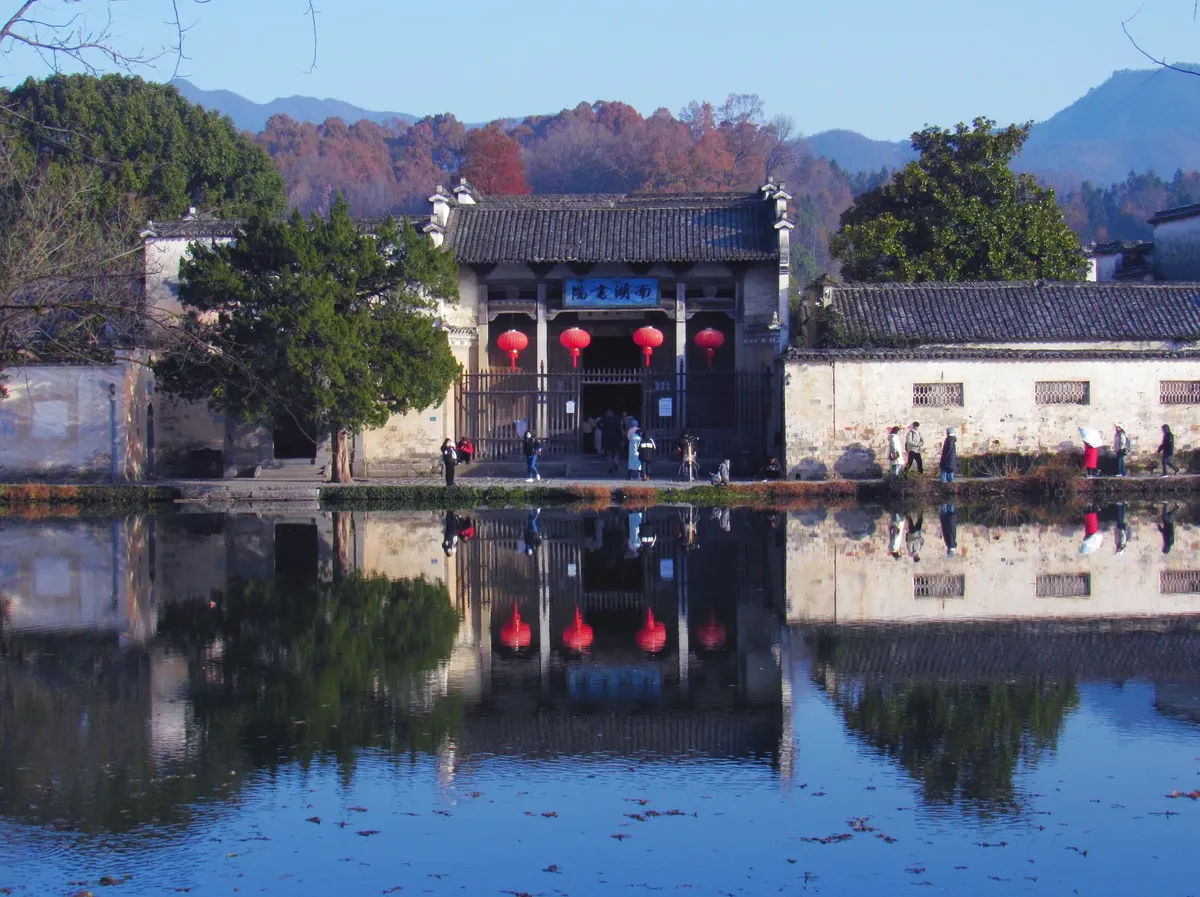
A traveler walks through a quiet courtyard where the sunlight hits an ancient stone pagoda. Exploring the Gyeongju Historic Areas allows visitors to walk through a living museum of the Silla Dynasty.
The Gyeongju Historic Areas represent a profound intersection of human achievement and geographic setting. According to Wikipedia, the Gyeongju Historic Areas is a World Heritage Site in Gyeongju, South Korea that was designated by UNESCO in 2000.
This designation highlights the importance of preserving the architectural and cultural integrity of the region.
Walking along the paths, one feels the weight of centuries. The landscape remains a vital part of the historical narrative.
Visitors can seamlessly blend cultural exploration with outdoor relaxation by visiting ancient burial mounds set against rolling hills and walking through traditional palace grounds that border lush forests.
What makes the Gyeongju historic sites special?
I stand amidst the silent stone monuments in gyeongju at dusk, feeling the cool breeze brush against my face.
A hiker stands at the edge of a ridge, looking down at the sprawling valley below. Every monument tells a story of a kingdom that once flourished.
The unique character of Korean heritage sites often stems from their specific design and environmental integration.
For instance, Gyeongbokgung Palace, the main palace where the king resided, and Changdeokgung Palace, a UNESCO World Heritage site, each have their own distinctive features, as do the others.
While these are located in Seoul, they provide a comparative context for the architectural styles found in Gyeongju.

Understanding these distinctions helps travelers appreciate the specific craftsmanship of the Silla period. Each site offers a different perspective on royal life.
The sites are unique because they serve as an open-air museum where centuries-old architecture and sacred monuments coexist within a preserved natural landscape.
How can I find Gyeongju scenic landmarks?
A photographer adjusts the lens to capture the golden hue of a sunset over a traditional roofline. Finding the right balance between famous landmarks and quiet spots is key.
Gyeongju scenic landmarks often involve sites that were built in harmony with the surrounding hills and rivers. Because the city was built on a foundation of natural topography, the history is inseparable from the land.
Visitors should look for sites that offer both structural beauty and expansive views of the surrounding greenery.
Planning a route that connects these landmarks can save time and energy. A well-planned itinerary allows for deeper immersion into the local environment.
Most major landmarks are clustered in the central historic district, making it easy to navigate between iconic temples, tombs, and traditional villages via local transit or walking paths.
Where can I find Gyeongju nature spots?
A trekker laces up boots to prepare for a long walk through a lush forest. Nature provides a refreshing break from the dense historical sites.
While Gyeongju is known for its ruins, seeking out Gyeongju nature spots provides a necessary balance to the cultural tour. Many travelers find that the natural landscapes surrounding the historical tombs offer a unique sense of peace.

These areas often serve as natural buffers that protect the integrity of the archaeological sites.
Exploring these spaces allows for a more holistic understanding of the region. It connects the human history to the biological reality of the land.
Beyond the city center, you can find serene lakes, mountain trails, and coastal views located in the surrounding outskirts of the Gyeongju area.
How to plan a journey for Gyeongju nature spots?
A traveler checks a map before heading out into the morning mist. Planning requires a mix of historical research and outdoor preparation.
To make the most of a visit, follow these steps to integrate both elements:
- Identify the primary historical sites you wish to visit to establish a central base. 2. Research nearby natural features or parks to balance your walking time. 3. Pack appropriate footwear and clothing for both urban walking and light trekking.
After completing these steps, check the weather forecast to ensure the outdoor portions of your trip are safe and enjoyable. I found that checking the terrain type helps in choosing the right gear for the day.
A limitation of this approach is that the availability of natural trails can change based on seasonal weather conditions.
- Select a destination based on whether you prefer mountain hiking or lakeside strolls.
- Check the local weather and trail accessibility before departing.
- Arrange transportation, such as a rental car or bus route, to reach more remote natural areas.
What are the best Gyeongju travel guide tips for seasonal visits?
A local resident points toward a blooming garden during the spring. Each season brings a different atmosphere to the historic city.
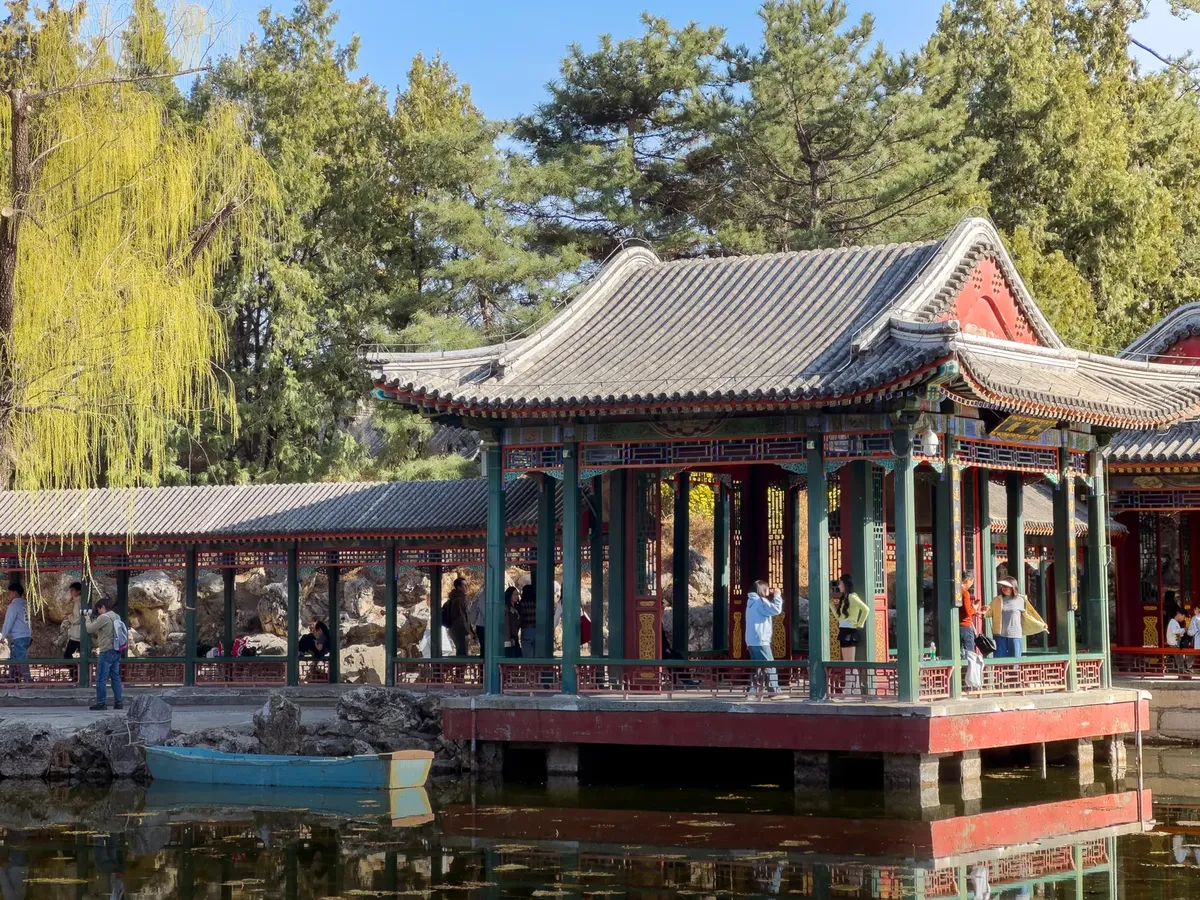
Using a Gyeongju travel guide can help you navigate the seasonal changes that affect both the ruins and the greenery. In the spring, cherry blossoms might frame an ancient wall, while in the autumn, colorful leaves provide a backdrop for stone monuments.
| Feature | Historical Focus | Natural Focus |
|---|---|---|
| Primary Interest | Architectural Integrity | Scenic Beauty |
| Activity Type | Museum and Site Visits | Trekking and Photography |
I personally find that balancing these two focuses makes for a much more memorable trip.
Visit in the spring to see cherry blossoms blooming over ancient tombs, or come in the autumn to witness the vibrant foliage that colors the historic hillsides.
Related
- Central vs state roles: Korea natural disaster awareness how
- Korea sights global view: How to see the modern South Korea
How does the history breathe through the stones?
The stones of ancient tombs allow the history to breathe, offering tangible evidence of the Silla Dynasty's presence. This physical connection between the past and the present is powerfully conveyed by the preserved architecture.
The monuments stand as silent witnesses to the kingdom's rise and fall, allowing visitors to trace echoes of bygone eras.
The enduring quality of the structures speaks volumes about the civilization that created them. The stones themselves carry the weight of centuries, much like the landscape surrounding them. This physical manifestation of the past is what makes the Gyeongju visit so profound.
How does nature breathe through the leaves?
The rustling leaves of sacred groves allow nature to breathe, providing a living counterpoint to the static monuments. This living element contrasts with the enduring quality of the stone structures. The natural setting was not merely a backdrop but an integral part of the historical tableau.
The interplay between the meticulously crafted architecture and the dynamic natural environment defines the unique character of the Gyeongju site. The landscape itself played a role in the narrative of the flourishing kingdom.
This synergy between the built and the growing is what makes the location so compelling.





Comments 0