How to plan a walking route for urban exploration success
A well-planned route should account for the energy levels of the traveler.
"The best way to find a hidden gem is to stop looking at the map and start looking at the streets."
Finding the perfect location for an urban exploration trip requires a mix of spontaneity and research. This guide helps you navigate the balance between famous landmarks and local secrets, offers tips on how to plan your route, and identifies what to avoid when wandering through a new city.
* Prioritize walking over transit to find hidden details. * Use local community hubs to discover authentic spots. * Balance scheduled visits with unplanned wandering. * Check local weather and seasonal accessibility before departing.
How do I find unique spots in a new city?
In the morning I hold plan and walk through the next step.
I stood on a busy street corner in downtown Seoul, staring at a digital map that seemed to point in every direction at once. The noise of the traffic and the neon lights felt overwhelming as I tried to decide where to step first.
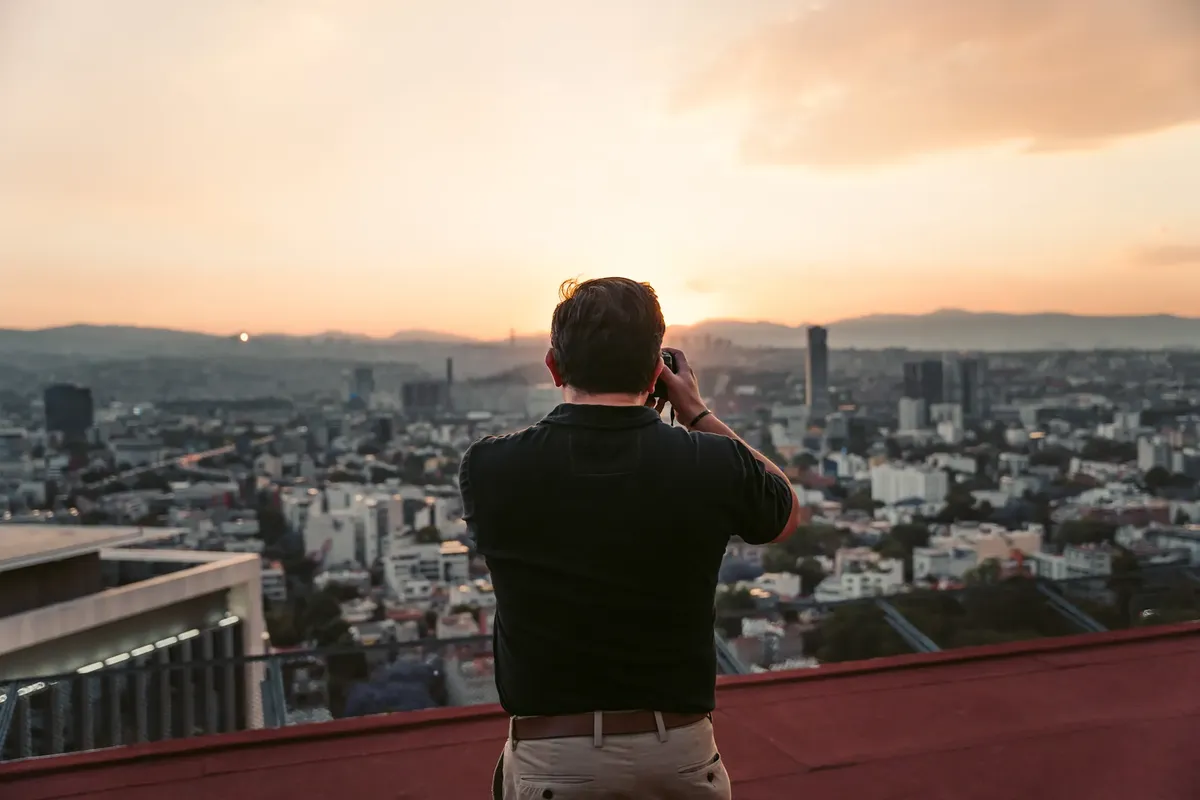
When looking at global demographics for context, according to the World Bank, South Korea recorded a total population of 51,684,564 in 2025.
According to the International Monetary Fund, South Korea recorded a population of 51.6 million in 2026.
To find unique spots, you should look for the tension between historic architecture and modern development. Instead of following the most crowded tourist paths, look for neighborhoods where the residential life meets commercial hubs.
These transition zones often hold the most interesting cafes, small galleries, and local markets that aren't featured in mainstream guidebooks.
When you arrive in a new area, pick a central landmark and then walk two blocks away from it in every direction. The further you get from the main transit hub, the more likely you are to encounter authentic local life.
Using a combination of digital maps and physical observation allows you to see the layers of a city that a screen cannot capture.
The process of discovery often happens in the quiet moments between major sights. If you find yourself lost, look for small alleys or pedestrian-only streets. These often lead to community parks or small-scale architecture that tells a more personal story of the city.
- Browse local social media tags to see where residents hang out.
- Visit neighborhood grocery stores or markets to gauge the local vibe.
- Ask small business owners for their personal recommendations.
What are the best ways to plan a walking route?
I sat at a small wooden table in a quiet corner of a cafe, sketching a rough route on a napkin with a ballpoint pen. The scent of roasted coffee filled the air as I traced lines between potential stops.
Effective urban exploration planning involves creating a "hub and spoke" model. Pick one central location, such as a large park or a historic plaza, to serve as your base.
From that hub, plan short loops that lead to different interest points, ensuring you always have a way to return to your starting point.
- Identify your primary interest, such as street art, historical sites, or culinary districts. 2._ Select a central meeting point or a place to store belongings. 3. Map out three distinct "loops" that take you through different atmospheres.
Start with a more strenuous walk in the morning when the weather is cooler and energy is high. In the afternoon, transition to areas with more seating or indoor options, such as museums or shopping districts.

I always make sure to mark at least two "buffer zones" on my map—places like libraries or quiet parks where I can sit and regroup. This prevents burnout and keeps the exploration enjoyable rather than exhausting.
In this sequence, the second step is the most time-consuming.
Why should I avoid the most famous landmarks?
In the evening I hold plan and walk through the next step.
The sun beat down on the crowded plaza, and a sea of selfie sticks moved in unison as tourists blocked every narrow walkway. I felt the heat rising from the pavement, realizing that the sheer volume of people made it impossible to actually see the monument.
While famous landmarks are often iconic for a reason, they can sometimes be "tourist traps" that lack the soul of the city. These locations are often overpriced, overcrowded, and can lead to a superficial understanding of the local culture.
Rely of these spots for a quick photo, but do not make them the sole focus of your trip.
Crowded landmarks often result in a standardized experience where every visitor is doing the exact same thing. By stepping away from the most famous sites, you encounter the real pulse of the city—the way people actually live, shop, and interact.
This provides a much richer narrative for your travel stories.
If you must visit a major landmark, try to go during the very early morning or late evening. This minimizes the impact of crowds and allows for a slightly more contemplative experience. However, the true essence of a city is rarely found in a queue of people waiting to take a photo.
Is it better to follow a guide or wander aimlessly?
I watched a group of travelers following a brightly colored umbrella through the streets, moving in a tight, synchronized line. They seemed to be moving toward a specific destination, yet they seemed to miss the small flower shop right next to them.
The most successful urban explorers use a hybrid approach: structured curiosity. This means having a general direction or a "must-see" list, but leaving significant gaps in the schedule for unplanned discoveries.
A rigid itinerary kills the spontaneity that makes travel meaningful, while total aimlessness can lead to frustration and wasted time.
| Approach | Pros | Cons |
|---|---|---|
| Strict Itinerary | Ensures all major sights are seen | Can feel rushed and mechanical |
| Pure Wandering | High chance of unique discoveries | Can be tiring and directionless |
| Hybrid Method | Balances efficiency with discovery | Requires more mental energy to plan |
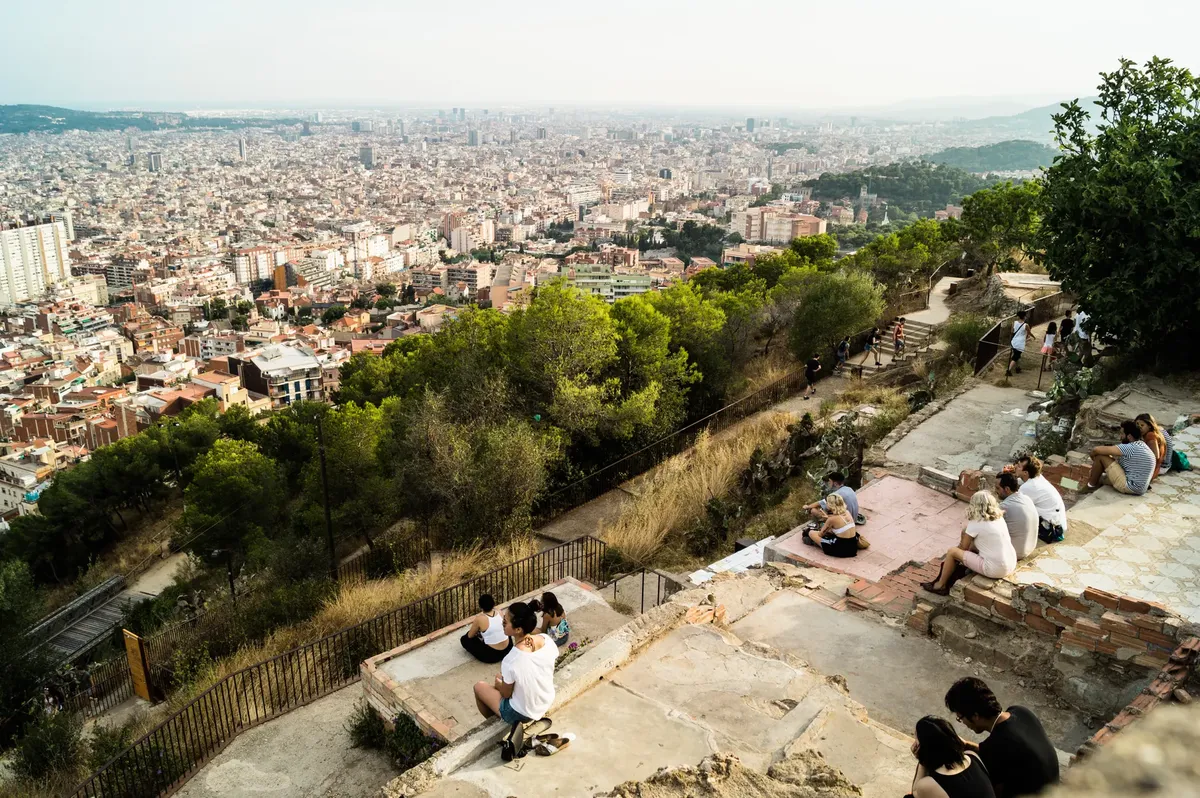
I find that having a list of three specific objectives for the day provides enough structure to feel productive. Once those objectives are met, the rest of the time can be dedicated to wandering.
This ensures you don't leave the city feeling like you missed the big things, but you still have room for the unexpected.
This balance keeps the momentum of the trip alive. If you find a street you love, stay there for an hour. If a certain neighborhood feels underwhelming, move on to the next. Your itinerary should be a living document that changes based on your real-time observations.
How can I navigate public transit like a local?
I stood at the entrance of a sprawling underground station, watching the rhythmic flow of commuters rushing toward the turnstiles. The sound of electronic announcements and the shuffling of feet created a constant, low-frequency hum.
In 2011, the city was awarded an expansion team for the Basketball League.
Navigating a city's transit system is the key to accessing its outskirts and diverse neighborhoods. Most major cities have efficient subway or bus networks that connect the center to the periphery.
Learning the basic logic of the transit map—how lines intersect and how fare zones work—is the first step to freedom.
To navigate effectively, download a reliable local transit app that provides real-time data. Most cities have a preferred way to pay, whether it is a rechargeable smart card or a contactless mobile payment.
Mastering this early prevents the stress of being stuck at a ticket machine when you are in a hurry.
Don't be afraid to use the transit system to go to the end of a line. Often, the most interesting and affordable neighborhoods are located at the terminal stations of major routes. These areas are frequently less crowded and offer a glimpse into the daily lives of the city's residents.
What are the risks of exploring unknown areas?
I sat on a park bench, looking at a quiet residential street where the houses were much older than the ones in the city center. The silence was heavy, and I wondered about the history of the people living behind the closed gates.
Historical tragedies can serve as a reminder of urban risks, such as when 60 people died in the International Trade Center building fire in 2002.

Exploring new areas carries natural risks, primarily related to safety, physical exhaustion, and getting lost. While most urban environments are safe for travelers, it is important to maintain situational awareness. Being an explorer does not mean being reckless; it means being prepared.
To minimize risks, always inform someone of your general location or your planned route. Keep a portable charger with you to ensure your phone never dies, as digital maps are your primary lifeline.
Additionally, carry a small amount of local currency in case you find yourself in a place where cards are not accepted.
A limitation of this type of exploration is that it depends heavily on the local infrastructure and the time of day. In cities with limited lighting or less reliable transit, wandering into unfamiliar neighborhoods at night can be much more challenging and requires extra caution.
According to Association of NYC), A professional trade organization of licensed tour guides in the city is GANYC (Guides Association of NYC), which represents just 10.9% of all licensed tour guides in the city.
This order does not hold, however, when the figure is not 10.9%.
Related







Comments 0