How to find a cool summer retreat for mental rejuvenation
Finding the right summer getaway requires balancing the desire for adventure with the necessity of cooling down.
"True rest is not found in the absence of activity, but in the presence of peace."
This guide explores how to select a destination that offers both thermal relief and mental rejuvenation, focusing on natural landscapes and quiet retreats.
* Prioritize locations with natural water features or high altitudes to combat heat. * Balance active exploration with scheduled downtime to prevent burnout. * Consider seasonal accessibility and local amenities when planning. * Focus on shaded environments and natural ventilation.
How can I find a cool summer retreat?
In the morning I hold find and walk through the next step.
A traveler stands at a train station, wiping beads of sweat from their forehead while looking at a map of mountainous regions. To find a cool summer retreat, look toward high-altitude forests or coastal areas with consistent sea breezes.
According to the Viet Nam National Authority of Tourism, Koreans are keen to visit Viet Nam in 2024 summer.
These environments provide natural temperature regulation that urban centers lack.
The key is to move away from heat islands where concrete absorbs and radiates warmth throughout the night. Instead, seek out valleys or coastal regions where the air circulation is constant. A well-planned trip focuses on these natural cooling mechanisms to ensure comfort.
When selecting a destination, check the local topography. Mountains often offer a significant drop in temperature compared to nearby plains. If you are looking for a quick escape, even a heavily forested park can serve as a temporary sanctuary.
Why is natural scenery essential for rest?
While sitting on the wooden bench at sunset, I close my eyes to find peace amidst the rustling leaves.
A person sits on a wooden bench, watching the sunlight filter through a dense canopy of green leaves. Natural scenery provides a sensory shift that helps lower cortisol levels and resets the mind.
Choosing a location with significant greenery ensures that even when the temperature is high, the visual environment remains soothing.
The psychological benefit of "green time" is a primary driver for summer travel. Being surrounded by trees and natural textures provides a different kind of stimulus than digital screens or urban noise. This visual relief is a cornerstone of effective relaxation.
Consider the impact of color and texture on your mood. The deep greens of a forest or the blues of a lake can act as a natural sedative for a stressed mind. This visual immersion is often more restorative than staying in a climate-controlled indoor environment.
What are the best types of summer landscapes?
A hiker pauses on a trail, looking out over a vast, mist-covered valley that stretches toward the horizon. The best summer landscapes are those that provide natural shade or water, such as deep canyons, dense forests, or lakeside retreats. These features offer immediate relief from direct sunlight.
Water-based landscapes are particularly effective because evaporation helps cool the surrounding air. Lakes, rivers, and oceans provide both a visual centerpiece and a way to physically cool down.

These areas often have unique microclimates that remain several degrees cooler than the surrounding land.
Forest landscapes offer shade and a more stable temperature. The canopy acts as a natural umbrella, blocking much of the solar radiation. For those seeking a mix of activities, a location that offers both water and shade is the gold standard for summer travel.
How do I plan a balanced itinerary?
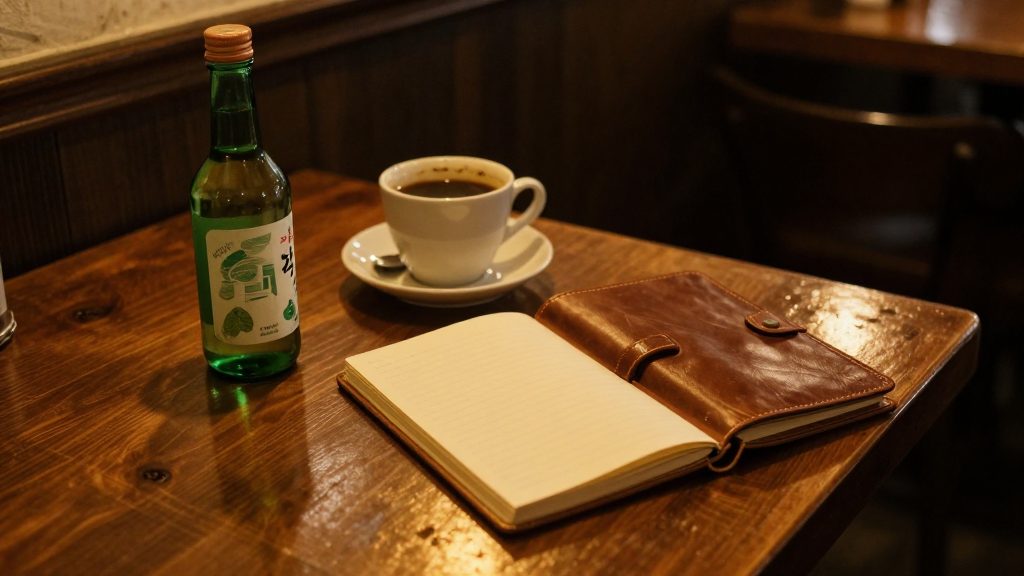
A traveler sits at a cafe table, carefully marking a schedule in a notebook while sipping an iced drink. A balanced itinerary should mix high-energy exploration with periods of complete stillness. Overloading a summer trip with constant movement can lead to heat exhaustion and mental fatigue.
To prevent burnout, follow these three steps: 1. Schedule heavy physical activities for the early morning or late evening when temperatures are lowest. 2. Designate mid-day periods for indoor relaxation, reading, or naps in shaded areas. 3.
Limit the number of new locations visited per day to allow for spontaneous downtime.
By structuring your day around the sun's peak intensity, you can enjoy the outdoors without the physical toll of extreme heat. This approach ensures that you return from your trip feeling refreshed rather than depleted.
I once tried to hike a mountain peak at noon in July, and I learned the hard way that a "balanced" schedule is much more than just a suggestion. It is a necessity for survival and enjoyment.
A limitation to this planning is that sudden weather changes, such as unexpected heatwaves or heavy summer storms, can disrupt even the most carefully organized schedule. In such cases, flexibility is more important than the original plan.
Is water-based relaxation better than mountain air?
A child splashes in a shallow stream while an adult watches from a shaded bank nearby. Whether water-based relaxation or mountain air is better depends entirely on your personal definition of rest. Water offers physical cooling and active play, while mountain air offers quietude and fresh, thin air.
Water-based locations are ideal for families or those who enjoy active recreation like swimming or kayaking. The physical sensation of water on the skin is one of the most direct ways to combat summer heat. It provides an immediate sensory reset.
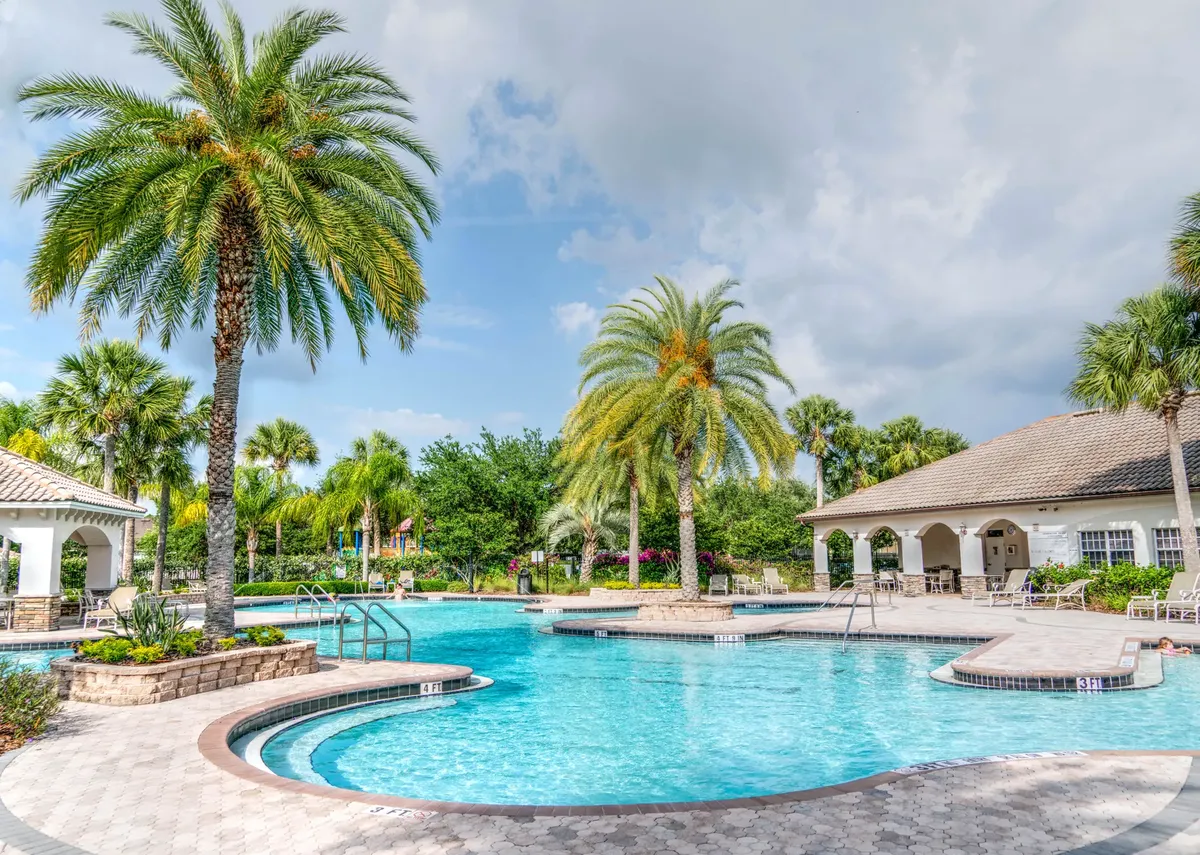
Mountain air is often preferred by those seeking solitude and a sense of perspective. The altitude provides a natural chill that can be refreshing for long walks. Both options are valid, but they serve different emotional and physical needs.
| Feature | Water-Based Retreat | Mountain/Forest Retreat |
|---|---|---|
| Primary Benefit | Immediate physical cooling | Natural shade and quiet |
| Activity Level | Generally higher (swimming, etc.) | Variable (hiking to lounging) |
| Sensory Focus | Sound of water and tactile cool | Visual greenery and fresh air |
According to Travel Association, Travel Association, Americans collectively did not use 662 million vacation days in 2016.
When I tried the steps in order, the second one is where I paused longest.
This order does not hold, however, when the figure is not 3 km.
- How can I find a cool summer retreat?
- Why is natural scenery essential for rest?
- What are the best types of summer landscapes?
Related
Comments 0