Busan local taste tour: Guide to city's evolving flavors
"The flavors of a city often tell the story of its history, shifting from the deep roots of tradition to the bright lights of modern innovation."
Exploring the culinary landscape of Busan involves balancing its historical identity with its rapid urban growth. This guide helps travelers navigate between time-honored local dishes and the contemporary dining scene found in its evolving districts.
* Understand the historical context behind local food traditions. * Explore how urban development shapes current dining hubs. * Identify the transition from traditional markets to modern districts. * Plan a journey that bridges the old and the new.
How to start a Busan local taste tour?
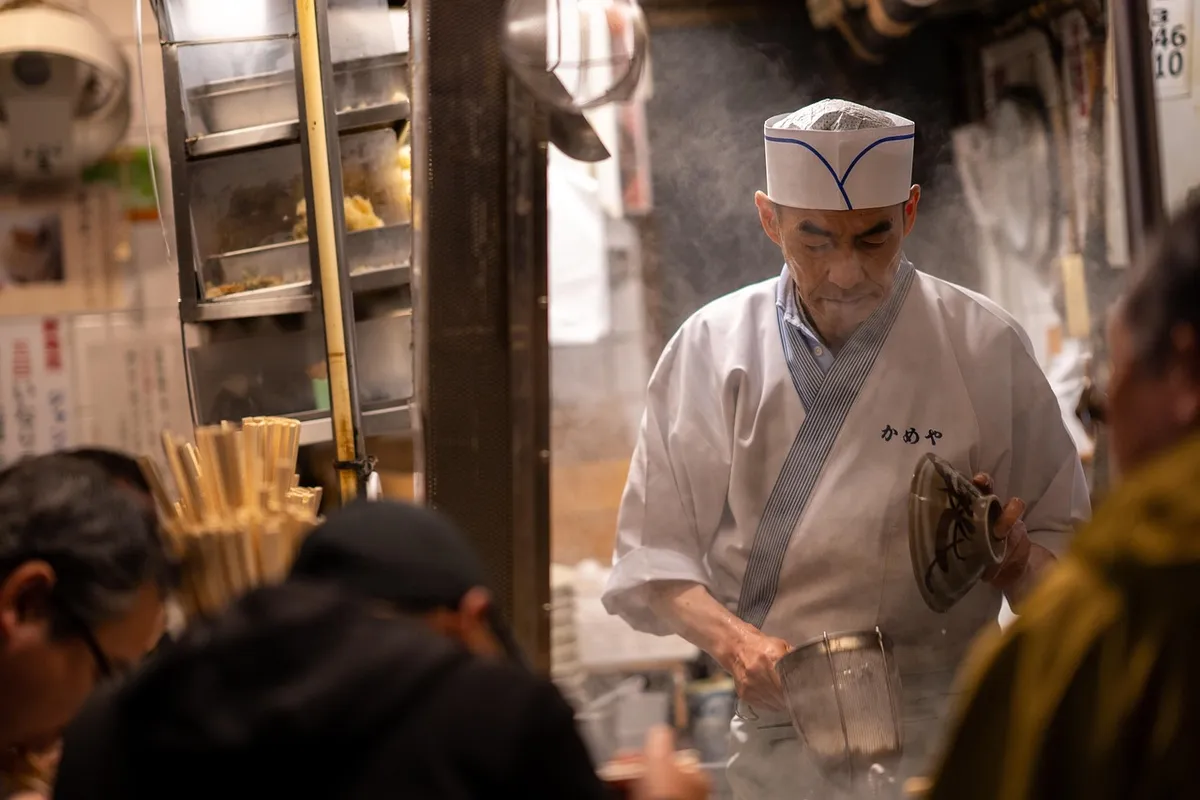
At dawn, I step through the crowded market in busan and inhale the sharp scent of saltwater.
Walking through a bustling morning market provides the first taste of how history shapes a menu. The air carries the scent of seasoned seafood and steamed grains, reminding visitors of the city's maritime heritage.
A Busan local taste tour begins by recognizing that food is tied to the city's unique geography and historical shifts. Many traditional flavors emerged from necessity, providing hearty meals for workers and sailors in the port city.
To understand the roots, one must visit areas where old recipes remain unchanged for decades. These spots offer a direct connection to the past through ingredients that have been staples in the region for generations.
Moving from the market to a modern street allows travelers to see how these flavors evolve. The transition from sea-salt seasonings to fusion styles shows the city's constant movement toward the future.
- Research the most iconic local dishes.
- Identify the historic districts where these flavors originated.
- Plan your route to visit both traditional markets and modern cafes.
What defines Busan traditional food?
At dusk, I sit at a wooden table in a small busan alleyway and taste the warm, salty broth.
Standing before a steaming pot of soup in a narrow alleyway reveals the soul of local cuisine. The steam rises against the backdrop of weathered wooden tables and friendly, seasoned faces.
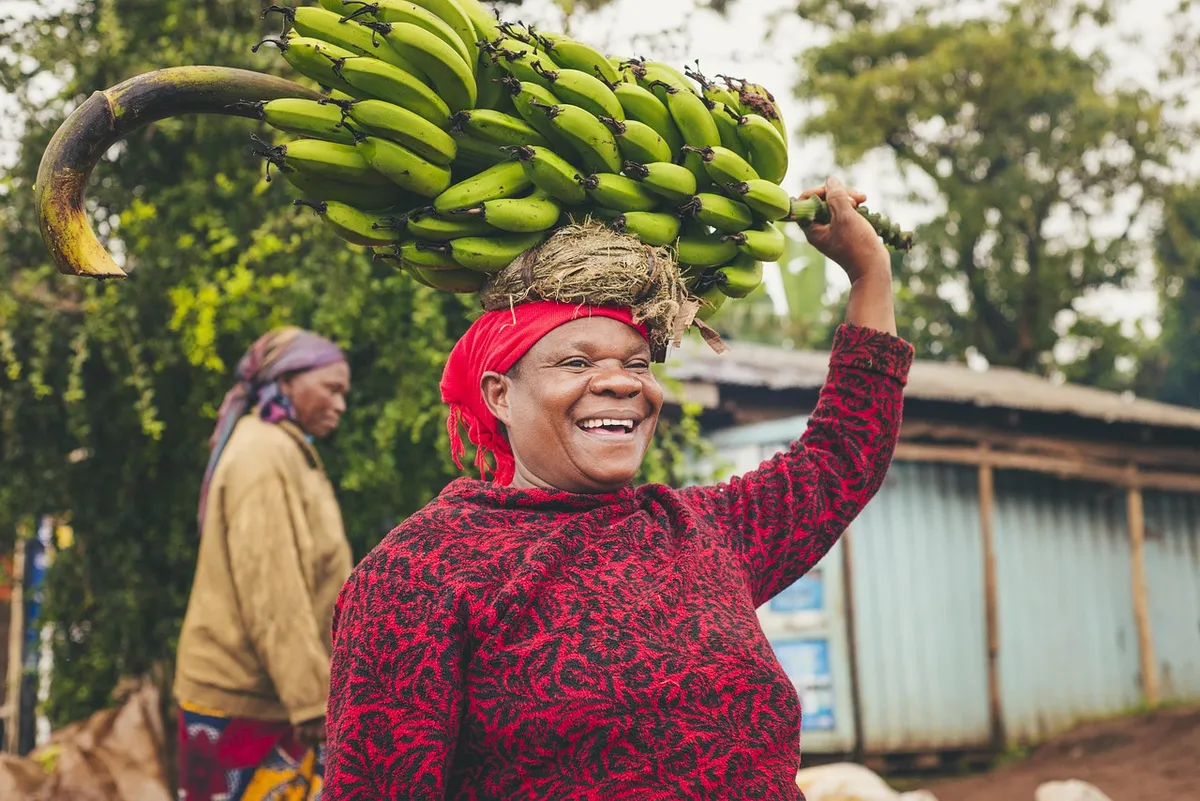
Busan traditional food often relies on ingredients that were readily available in the coastal environment. These recipes were passed down through families, maintaining a consistent flavor profile that defines the regional identity.
The core of these meals usually involves seafood or fermented vegetables that provide deep, savory notes. Such dishes were designed to be filling and nutritious, serving the community through changing eras.
Exploring these flavors requires an appreciation for simplicity and the quality of basic ingredients. Visitors can experience the authentic essence of the city by seeking out these established local staples.
I find that the second step in understanding these flavors is the most important.
Where can you find modern Busan dining?
Entering the glass skyscraper at midnight, I feel the cool air and watch the bright lights of busan.
Walking into a sleek, glass-fronted restaurant in a high-rise district offers a sharp contrast to the market stalls. The atmosphere is polished, reflecting the city's status as a global hub of culture and business.
Modern Busan dining reflects the city's rapid urbanization and its recent recognition as a "City of Film" by the UNESCO Creative Cities Network in December 2014. This status brings a diverse, international influence to the local food scene.
Newer establishments often take traditional ingredients and re-imagine them through global culinary techniques. This blend creates a unique dining experience that appeals to both locals and international visitors.
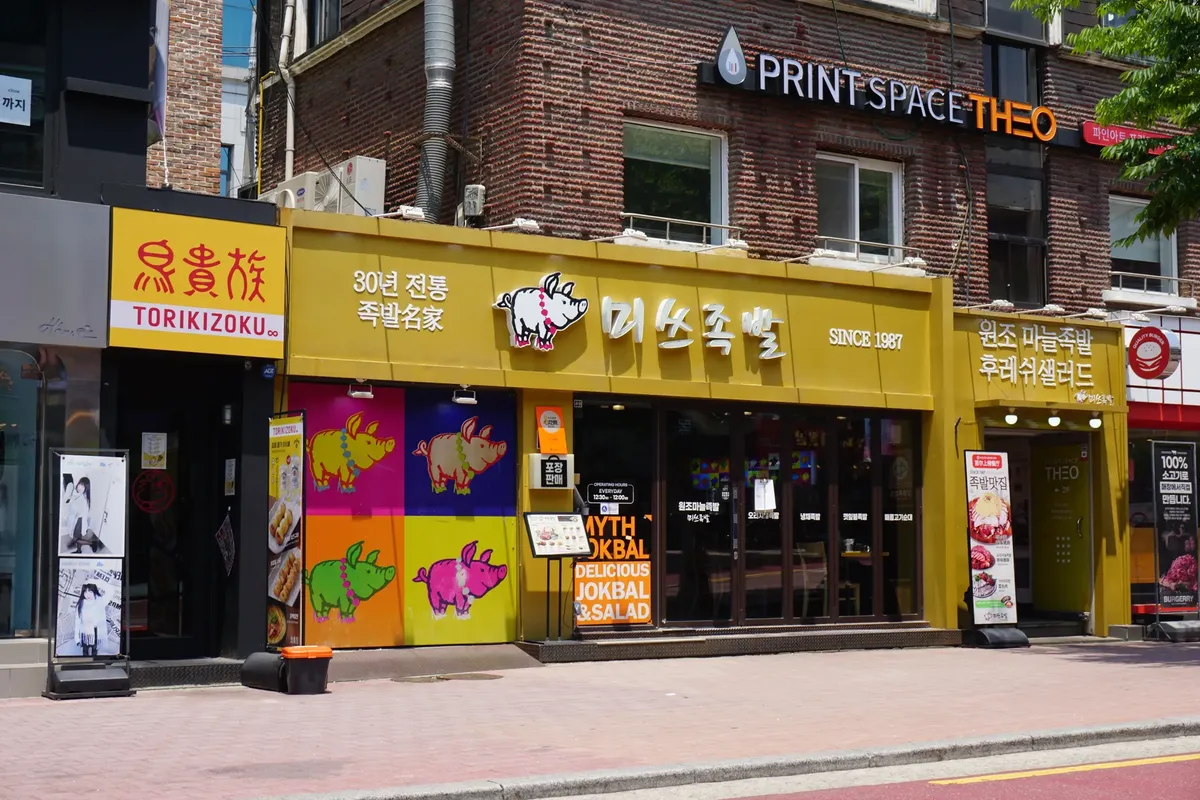
The dining scene in districts like Haeundae shows how much the city has grown. Sophisticated plating and innovative menus represent the current energy of the metropolitan area.
How do you bridge the gap between old and new?
Navigating the subway system between a historic museum and a modern finance center allows for a seamless transition between eras. The train moves steadily, carrying passengers between the city's different identities.
A successful Busan food journey requires balancing the heavy, soulful flavors of the past with the light, experimental dishes of the present. It is about experiencing the full spectrum of the city's culinary evolution.
- Visit a traditional market in the morning to taste authentic, historical flavors. 2. Travel to a modern district in the afternoon to explore contemporary culinary trends. 3. Compare the ingredient use between the two settings to see how tastes have shifted.
I personally found that moving from a traditional seafood stall to a modern cafe in the same afternoon provided the best perspective on the city's change. This contrast makes the journey much more meaningful.
A limitation of this approach is that seasonal availability can change the availability of certain traditional ingredients, making the exact flavor profile different depending on when you visit.
How does the city's growth affect the food scene?
Looking out over the skyline from a modern transit station, one sees the physical manifestation of progress. The infrastructure that supports the people also supports the shifting food landscape.

The expansion of the city, such as the planned extension of Line 2 towards the eastern extremity of Haeundae District, continues to reshape how people access different dining areas. As the city grows, the accessibility of both traditional and modern spots changes.
Urban development can sometimes push traditional eateries to the outskirts, while new hubs emerge in the center. This movement creates a dynamic map of flavors that is constantly being redrawn.
The interplay between transit and taste is a key part of the urban experience. As new stations open, new dining opportunities follow, blending the old paths with new destinations.
Related
- Daegu traditional food tour: Guide to regional flavors
- Daegu traditional eatery guide: Discover deep local flavors
How does the interplay between past and present manifest in the flavors of the city?
The contrast between the deep, slow-cooked tastes of older recipes and the bright, sharp notes of contemporary dishes illustrates the city's journey. The foundational flavors of the city persist even when presented in a globally influenced manner.
- The market provides the anchor to the past, showcasing the ingredients that sustained the community through generations. 2. The modern establishment showcases how those same core elements can be reinterpreted for a global palate. 3. This juxtaposition allows the diner to trace the entire narrative of the city's development through the palate.
The enduring quality of the city's flavors lies in this ability to honor origin while embracing innovation. The city's growth is mirrored in the dining experience, moving from sustenance to sophisticated artistry.
Wikipedia: Busan Metro Based on the retained excerpt mentioning Busan International Finance Center: In 2014, Munjeon station was renamed to Busan International Finance Center–Busan Bank station An extension of Line 2 towards the eastern extremity of Haeundae District is planned.




Comments 0