Korea nature by season: How to walk in 14°C
"The vibrant shifts in the peninsula's landscape offer a constant cycle of renewal, from blooming blossoms to snow-covered peaks."
Exploring Korea nature by season requires understanding the distinct atmospheric changes that define each period. This guide provides insights into seasonal transitions, practical weather considerations for outdoor activities, and how to navigate the natural beauty of the country.
How can visitors enjoy Korea nature by season?
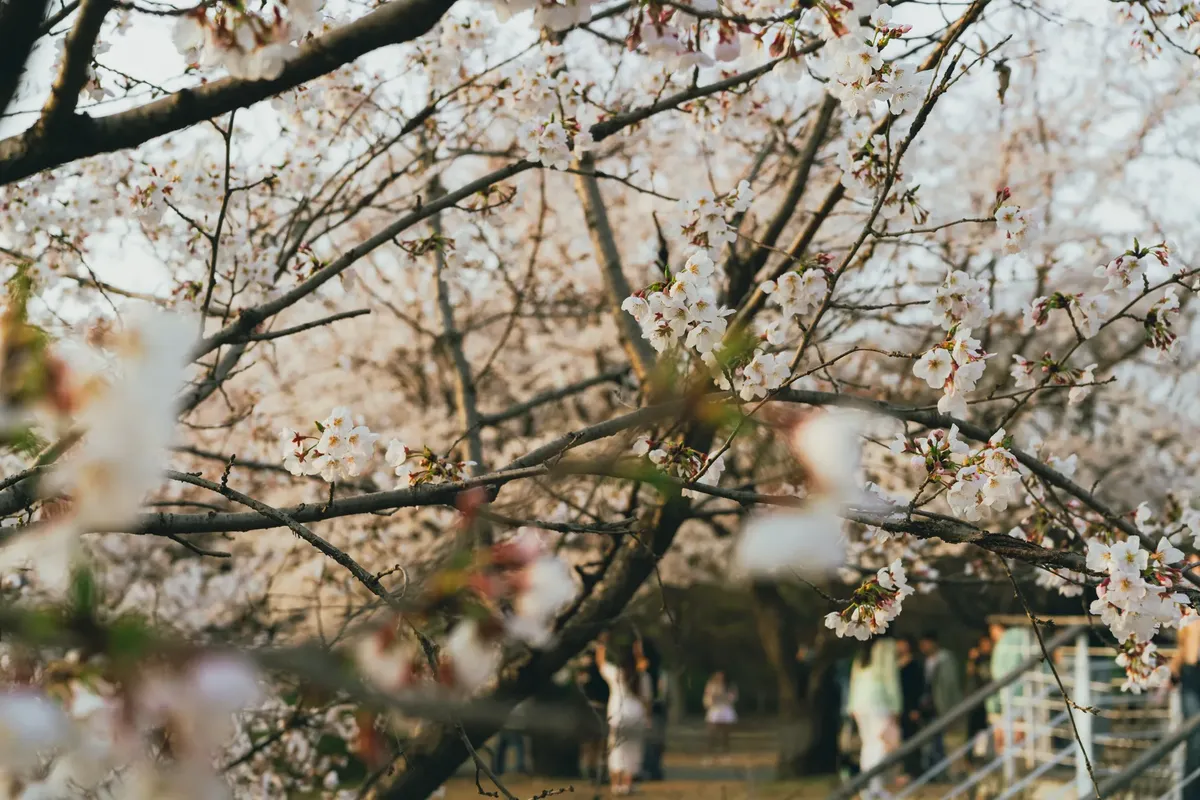
A traveler stands on a quiet mountain trail, feeling the crisp air against their face as the scenery shifts from green to gold. Planning a trip around these changes allows for a deeper connection to the landscape.
The most effective way to experience the environment is to align travel dates with specific biological cycles, such as cherry blossom blooms or autumn foliage. Spring and autumn offer temperate conditions that facilitate long walks through national parks.
Summer provides lush greenery and vibrant landscapes, while winter offers a stark, quiet beauty in the mountainous regions.
However, the accessibility of certain remote trails may be limited depending on the specific weather conditions of the season.
When is the best time for me to go sightseeing? A hiker adjusts their jacket while walking through a sun-dappled forest path. The temperature remains steady, making it easy to walk for hours without significant discomfort.
Spring and autumn are often considered ideal for trekking because the temperatures remain moderate. According to a family travel guide, the cool weather, ranging from 14°C to 18°C during the day, made sightseeing comfortable, especially since much of the time was spent walking outdoors.
This temperature range prevents the exhaustion often caused by extreme heat or cold.
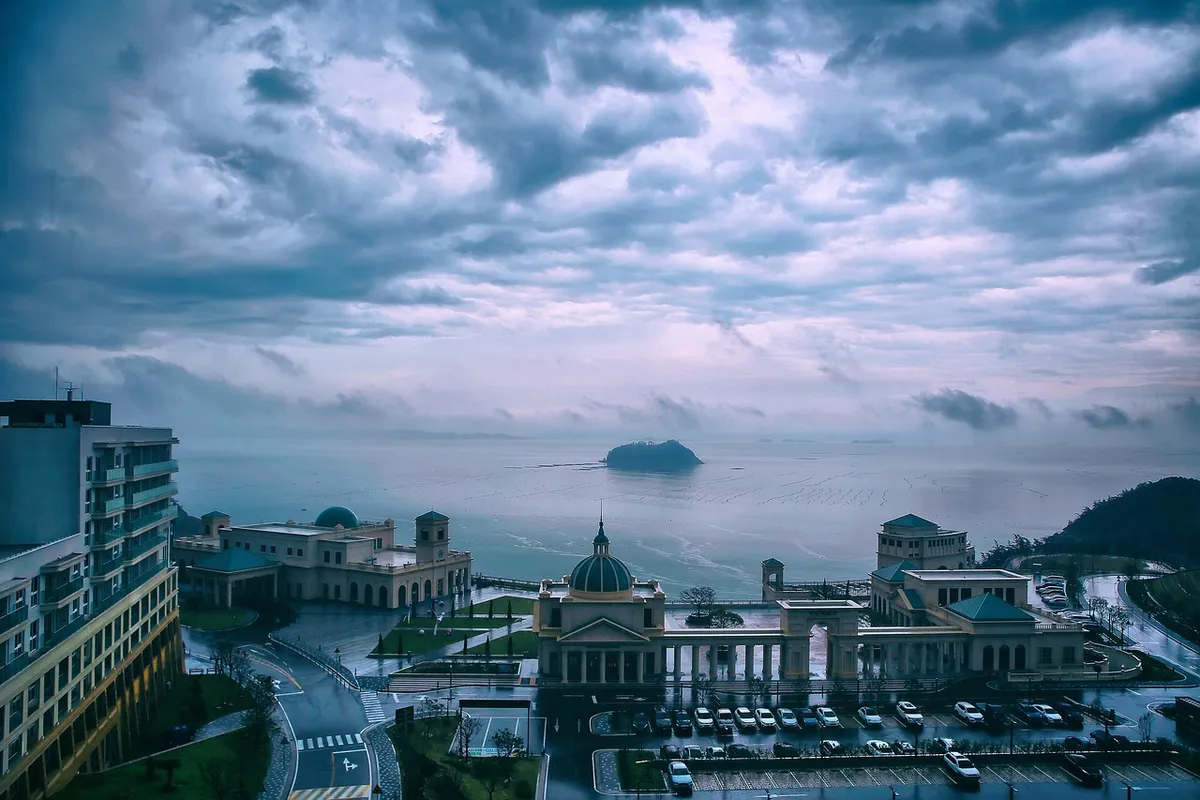
However, peak travel periods can lead to significant crowds at popular landmarks.
Where can I find the most beautiful spring spots in Korea? A traveler pauses to take a photograph of pink petals falling like snow onto a stone path. The sudden burst of color transforms the urban and rural landscapes alike.
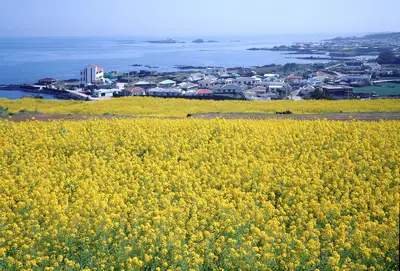
Spring brings a sudden transformation to the terrain, making it a peak time for photography and nature walks. Visitors often seek out mountain parks where the temperature begins to rise, signaling the end of winter.
The blooming season provides a brief but intense window of color that defines the early part of the year.
However, the blooming period is often brief and subject to sudden temperature changes.
How can travelers manage Summer sights Korea?
A visitor seeks shade under a large tree to escape the midday sun while listening to the sounds of cicadas. The humidity and warmth require careful planning for outdoor excursions.
Managing summer visits involves preparing for higher temperatures and more frequent rainfall. Choosing coastal areas or high-altitude locations can provide a reprieve from the heat. It is important to stay hydrated and plan activities for the early morning or late evening to avoid the strongest sun.
However, the intense heat and humidity may make extended outdoor activities physically taxing.
What makes Autumn colors Korea so special?
A hiker climbs a steep ridge to witness a sea of red and orange leaves stretching toward the horizon. The crisp air makes the vibrant colors appear even more vivid.
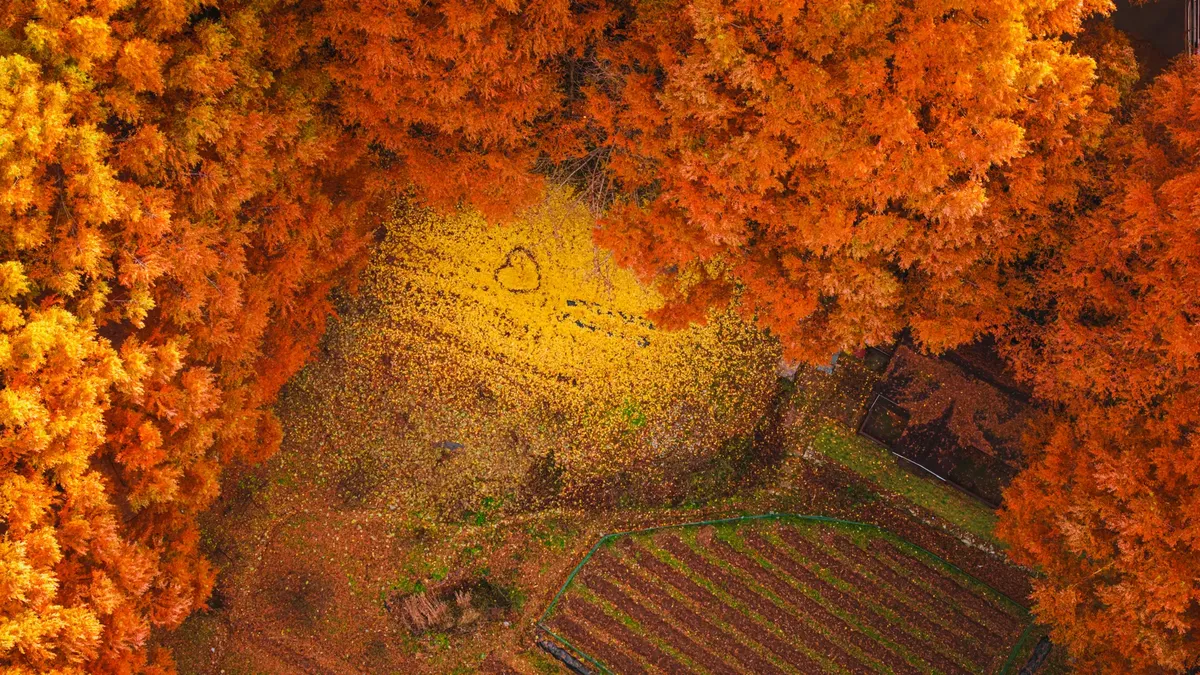
The transition to autumn is marked by a dramatic shift in foliage, creating a visually stunning environment perfect for hiking. These colors are a major draw for domestic and international visitors alike.
The cooling temperatures provide a perfect backdrop for long-distance trekking through forested valleys.
However, the vibrant foliage window is relatively short and varies by elevation.
How to prepare for Winter travel Korea?
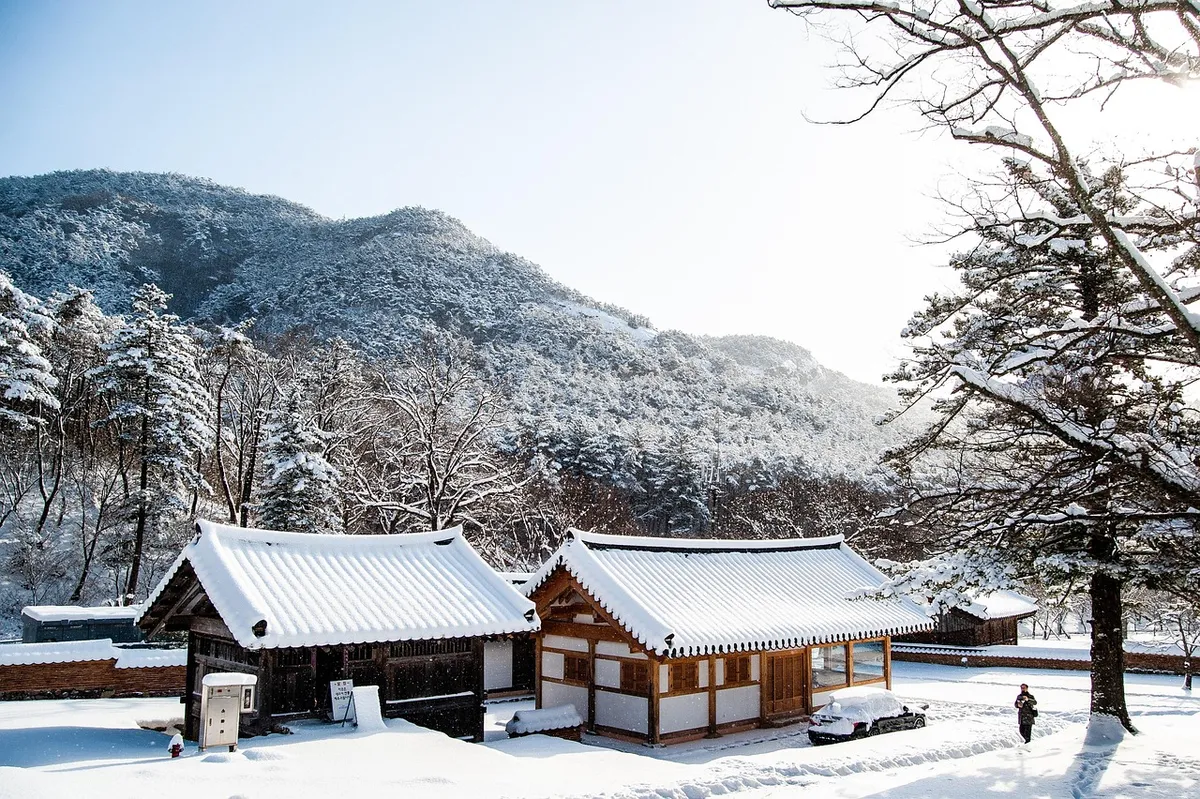
A traveler pulls a thick scarf tighter against the wind while walking through a landscape draped in white. The stillness of the snow-covered mountains creates a unique sense of peace.
Winter requires specialized gear and a different approach to exploration. Many visitors head to higher elevations to experience snow-covered scenery or winter sports. While the cold can be intense, the clear skies and sharp views offer a unique perspective on the peninsula's topography.
However, extreme cold temperatures can limit travel options in higher mountainous regions.
Seasonal Activity Planning Guide
| Season | Primary Activity | Weather Condition |
|---|---|---|
| Spring/Autumn | Hiking and Walking | Cool and Comfortable |
| Summer/Winter | Specialized Outdoor Sports | Heat or Cold Intensity |
I found that preparing for the temperature shifts was the most important part of my outdoor excursions.
- Check the local weather forecast daily to prepare for sudden temperature changes. 2. Layer clothing to allow for easy adjustments during morning and afternoon temperature swings. 3. Carry adequate hydration and weather-appropriate gear for all outdoor walks.
A final check of the local weather ensures that the planned itinerary remains safe and enjoyable.
- How can visitors enjoy Korea nature by season?
- What is the best time for outdoor sightseeing?
- What are the best spots for Spring Korea beauty?
The subject here is Korea nature by season.
This part also covers Fall tours Korea guide.
This part also covers Winter activities Korea.
Related
- Jeju spring nature tour: Why visit this volcanic island
- Korea seasonal travel guide: 12 week Why visit this country?
When are the vibrant shifts most noticeable?
The vibrant shifts are most noticeable during the transitional periods between the major seasons. Spring’s emergence from winter dormancy and autumn’s descent into dormancy provide the most dramatic visual contrast. These periods showcase the landscape undergoing its most profound transformations.
The contrast between the lushness of summer and the starkness of winter is also pronounced. The rapid cycle through these conditions underscores the peninsula's dynamic character. The visual evidence of these shifts is what draws many visitors.
What cautions apply to experiencing the vibrant shifts?
Visitors must heed the specific conditions of each season to ensure a safe and enjoyable experience. The unpredictable nature of the weather demands constant awareness. This awareness is key to appreciating the full spectrum of the peninsula's beauty.
During the warmer months, the potential for dehydration is high, necessitating proactive hydration strategies. Conversely, the extreme cold of winter requires specialized protective measures against low temperatures. Attending to these conditions enhances the appreciation of the natural cycle.
World Bank Based on the retained excerpt mentioning World Bank: According to World Bank data, South Korea recorded international tourist arrivals of 2,519,000 in 2020.



Comments 0