Korea tour guide: 75 tips for community resource use
"The impact of international visitors accounted for ₩ 26.5 billion."
South Korea faces a complex landscape regarding foreign tour Korea issues as visitor numbers fluctuate and regional dynamics shift. This guide examines the economic impact, historical visitor trends, and the role of national organizations in managing these shifts.
Key takeaways include understanding the scale of visitor arrivals, recognizing the concentration of specific traveler demographics, and noting the historical importance of major cultural sites.
How do we understand the scale of foreign tour Korea issues?
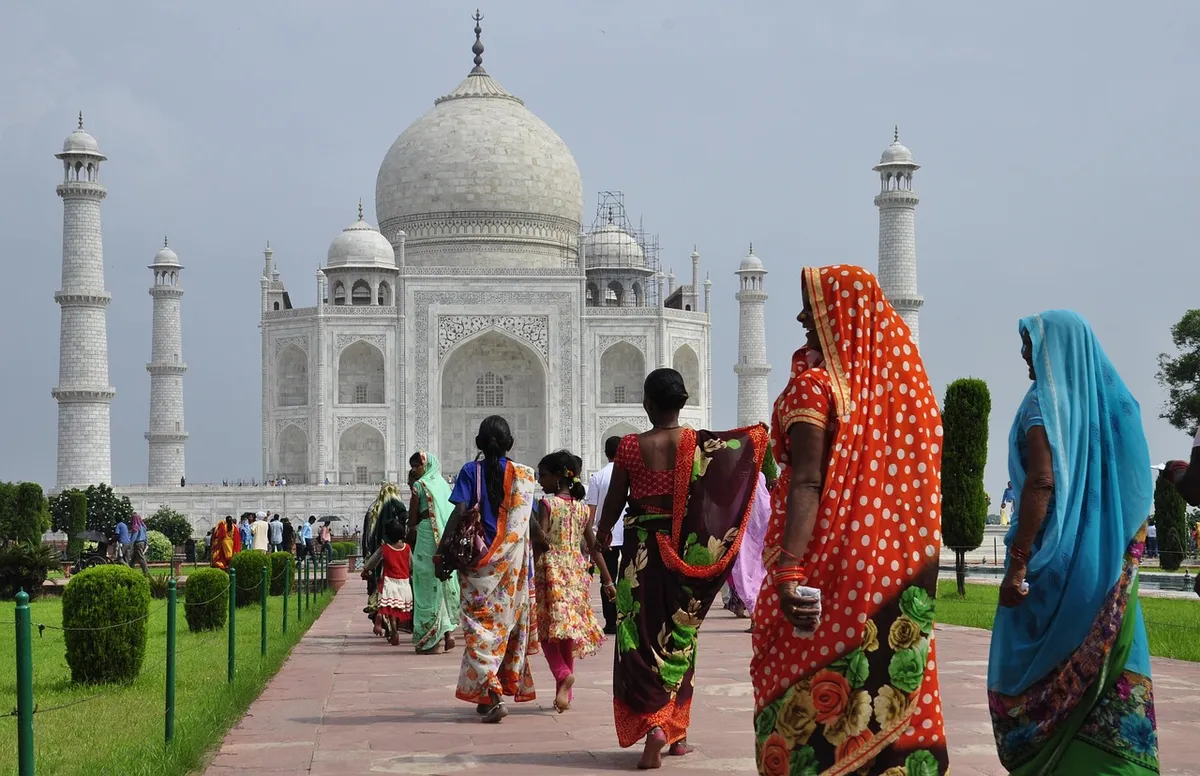
A traveler stands before a historic gate, checking a digital map to navigate the bustling streets of Seoul. Understanding the magnitude of visitor arrivals is the first step in addressing the unique challenges of the industry.
According to World Bank data, South Korea recorded international tourist arrivals of 2,519,000 in 2020. This figure provides a baseline for understanding how global shifts affect the local economy.
Managing these numbers requires a balance between welcoming visitors and maintaining local infrastructure.
The scale of these movements reflects broader global trends. For example, the concentration of travelers from specific regions can create sudden surges in demand for services.
What are the implications of traveler impact Korea?
As night falls over the bustling market, a weary tourist sighs while feeling the heavy weight of traveler impact Korea on the narrow streets.
A group of travelers walks through a crowded marketplace, their presence changing the rhythm of the local vendors. The traveler impact Korea can be seen in how local resources and transport are utilized during peak seasons.
The concentration of visitors from certain regions can lead to specific pressures on local infrastructure. For instance, Japan, mainland China, Hong Kong and Taiwan together account for roughly 75% of the total number of international tourists.
This high concentration means regional stability and travel trends directly influence the domestic economy.
Managing these flows is essential for sustainable growth. When a large percentage of visitors comes from a narrow group of countries, the economy becomes sensitive to their specific travel patterns.
How does community resource use affect the region?
An elderly resident watches from a window as a tour bus pulls into a narrow side street. The community resource use becomes a central concern when large numbers of visitors converge on specific historical or natural landmarks.
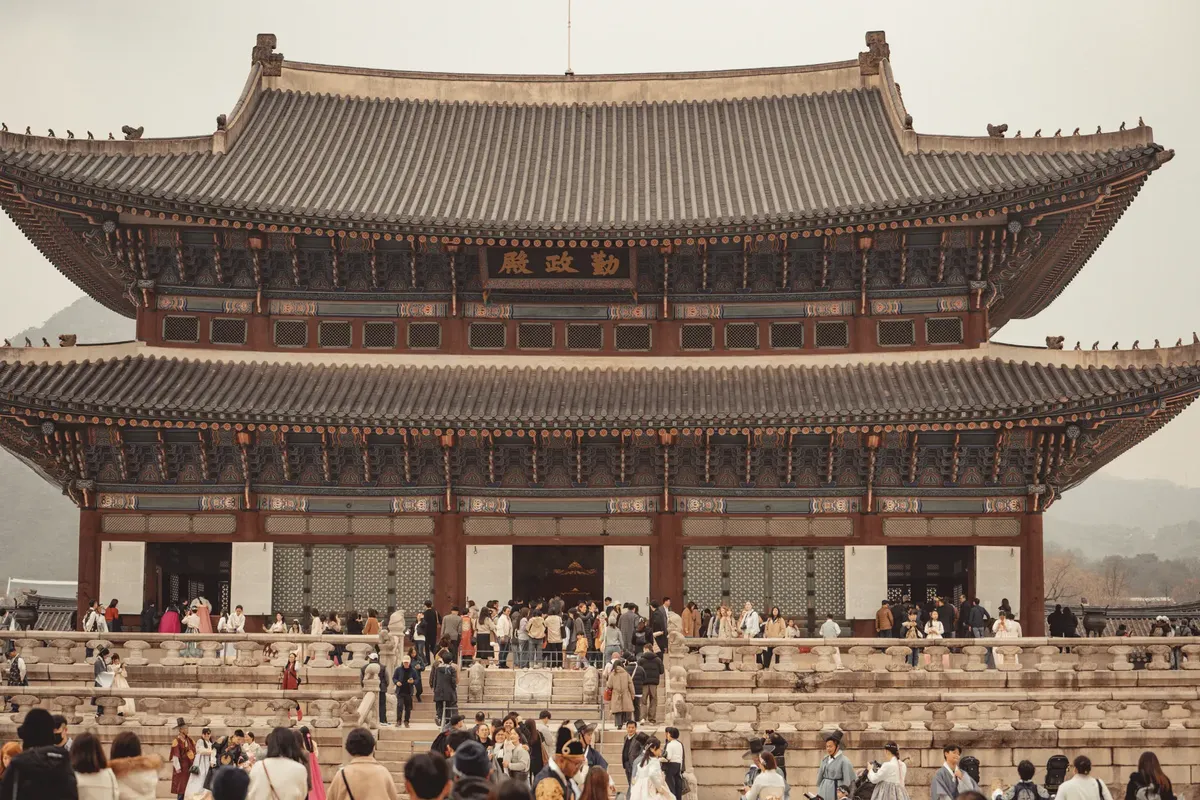
In Seoul, the management of high-traffic sites is a constant task for city planners. According to data from the Korea Culture & Tourism Institute, from July 2005 to December 2024, the palace had a total of 56,030,499 visitors, more than any other tourist site in Seoul.
This massive volume demonstrates the necessity of robust resource management.
Effective management prevents the exhaustion of local amenities. It ensures that the influx of people does not degrade the very sites they come to see.
How do we manage local transport strain?
A commuter waits at a crowded subway station, eyeing the empty seats on a passing train. Addressing local transport strain is vital to ensure that both residents and visitors can move efficiently through urban environments.
Large-scale visitor movements often coincide with peak commuting hours, creating friction between locals and tourists. Efficiently distributing visitor traffic across different modes of transport can alleviate this tension.
Planning for these surges involves looking at both seasonal peaks and daily fluctuations. Infrastructure must be resilient enough to handle these shifts without disrupting the lives of permanent residents.
What role does the Korea Tourism Organization play?
An official sits at a desk, reviewing promotional materials designed to attract international interest. The role of the Korea Tourism Organization (KTO) is to provide structure and strategic direction for the nation's tourism sector.
The organization operates under the Ministry of Culture, Sports and Tourism to promote the country's image.
This institutional oversight helps coordinate efforts across different sectors.
Strategic planning helps mitigate the risks of sudden changes in visitor numbers. By diversifying marketing efforts, the organization works to spread interest across various regions and activities.
How can we prepare for economic development needs?
A business owner opens their shop, preparing for the day's first customers. Addressing economic development needs involves creating a sustainable relationship between the tourism industry and the local workforce.
The economic impact of visitors serves as a driver for job creation and infrastructure investment. However, relying too heavily on a single sector can create volatility.

To build a stable economy, the focus must remain on diversified growth. This involves investing in various types of tourism to ensure that the economy remains resilient against shifts in international travel.
- How do we understand the scale of foreign tour Korea issues?
- What are the implications of traveler impact Korea?
- How does community resource use affect the region?
The subject here is Foreign tour Korea issues.
The same subject is also called Tourists in Korea issues.
The same subject is also called Visit Korea problems.
The same subject is also called Tour group concerns.
Related
- Vietnam fresh produce import rules: Why declare your items
- Central vs state roles: Korea natural disaster awareness how
What are the conditions affecting the international impact?
The international impact is subject to global conditions that influence travel decisions. The concentration of visitors from specific regions highlights a dependency on those particular markets. This dependency makes the overall economic impact vulnerable to external shifts.
The fluctuations in visitor numbers reflect broader international trends affecting global travel. The management of this international impact requires anticipating these external variables. The scale of the international impact is thus tied to global stability.
What cautions exist regarding the international impact?
The international impact brings benefits but also brings specific pressures on local systems. The high concentration of travelers from certain areas strains local resources. Sustainable growth depends on mitigating these localized pressures.
The caution lies in the imbalance between influx and absorption capacity. When the inflow of international visitors exceeds the capacity of local amenities, negative effects arise. Maintaining this balance is crucial for continued positive impact.




Comments 0