Travel How to Find Personal Connection In 4 New Cities
This article is about Connection. "The best way to find a soul in a new city is to stop looking at the map and start looking at the streets."
Finding a meaningful connection between personal identity and a physical location requires more than just a GPS coordinate; it requires an immersion into the local rhythm.
This guide explores how travelers can navigate the intersection of personal stories and iconic destinations to find their own meaningful landmarks.
* Prioritize local immersion over checklist tourism. * Use cultural landmarks as emotional anchors rather than just photo opportunities. * Balance structured itineraries with spontaneous exploration. * Understand the relationship between historical context and modern identity.
How can one find a meaningful connection to a place?
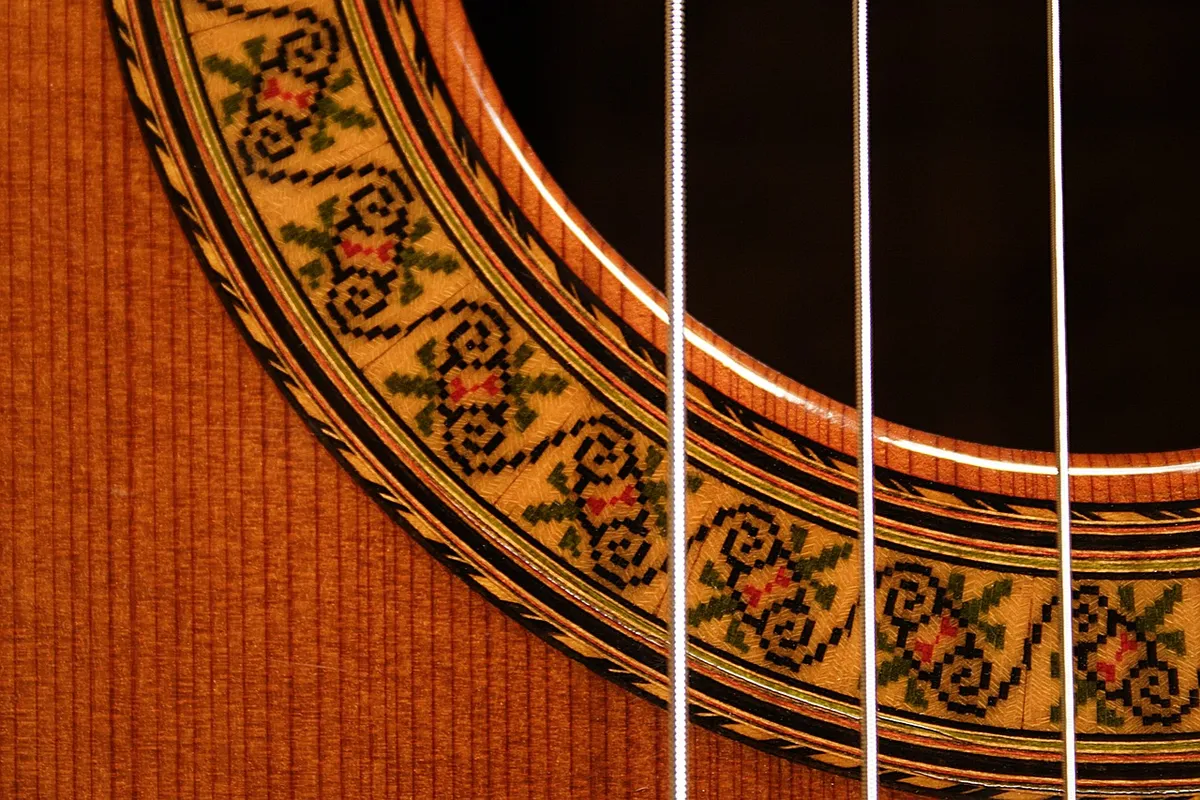
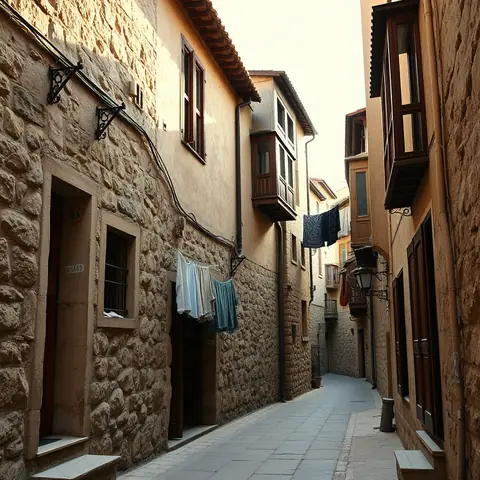
At sunset in the cobblestone plaza, I let my fingers brush the rough stone walls to realize that true travel begins when the soul touches the history of a street.
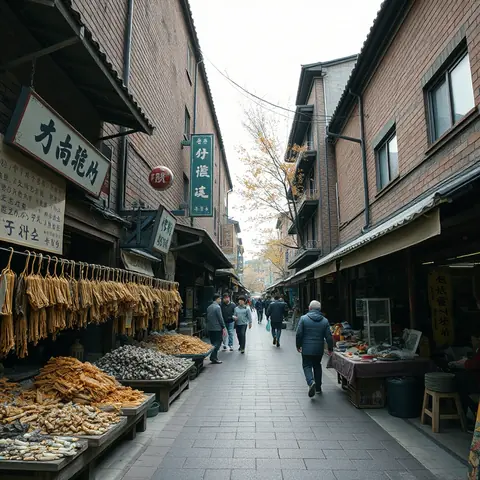
A traveler stands at a busy intersection in Seoul, clutching a crumpled paper map while the neon lights of a nearby district flicker against the evening mist. To find a true sense of place, you must look beyond the surface-level attractions and seek the stories that define the local spirit.
Finding a connection to a location involves moving past the role of a passive observer and becoming an active participant in the environment. You should seek out the small, quiet moments—the scent of a local bakery or the sound of a neighborhood market—rather than just the massive monuments.
The process of finding a place begins with understanding its history and how that history shaped the people living there today. When you understand the struggle or the triumph that built a street, the street ceases to be just asphalt and becomes a living narrative.
I remember standing in a small courtyard in an old district, feeling the weight of centuries of footsteps beneath my boots. It was in that moment of stillness that the map became irrelevant and the reality of the place took over.
One limitation to this approach is that cultural nuances can be difficult to grasp without significant time investment or local guidance.
Why do travelers often feel lost in new environments?
Standing in the middle of a crowded terminal at midnight, I stared at the spinning compass while the cold wind made me realize how easy it is to lose your way during travel.
A backpacker sits on a wooden bench in a quiet park, staring blankly at a smartphone screen that refuses to load a local transit map. The frustration of being "lost" is often a symptom of trying to follow a digital path that lacks human context.
Travelers often feel lost because they rely too heavily on digital interfaces that provide directions but no direction. A map can tell you how to get to a destination, but it cannot tell you why the destination matters or how to behave once you arrive.
The disconnect occurs when the traveler's expectations clash with the reality of a living, breathing city. When we seek perfection in our travels, the inevitable messiness of reality feels like a failure of navigation.
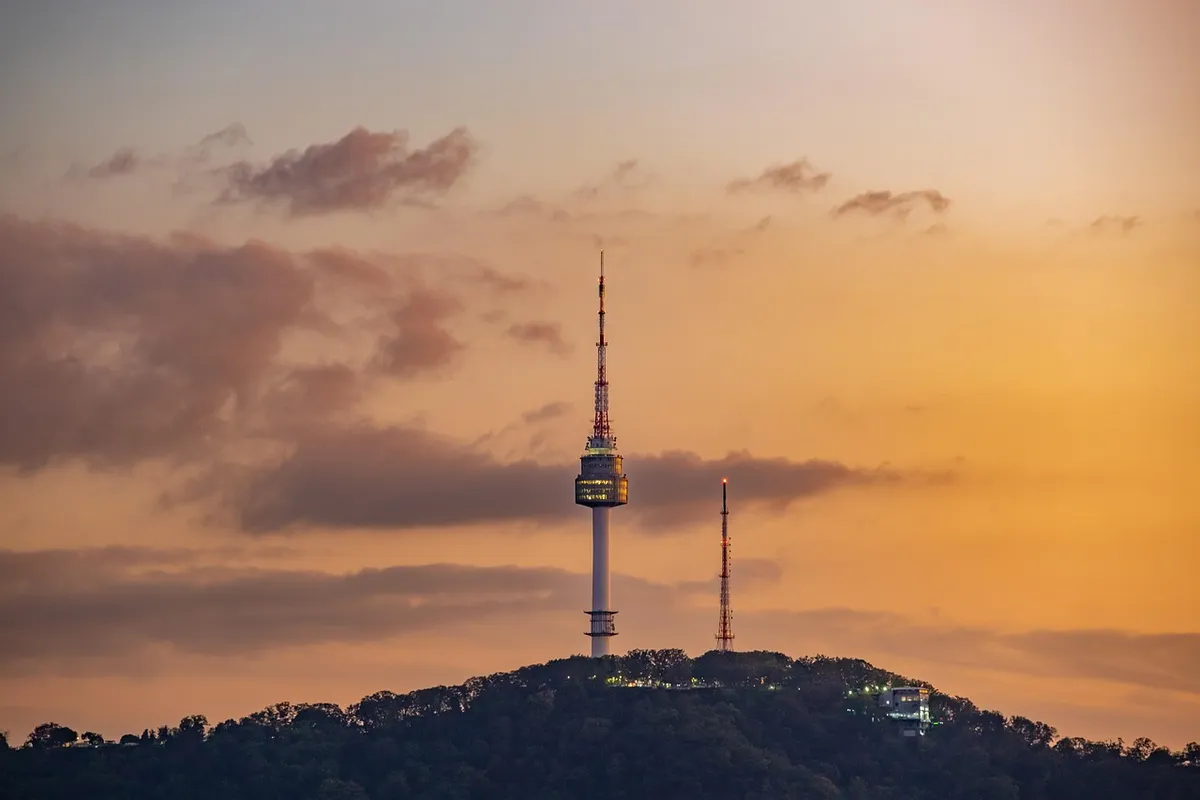
- Deconstruct your reliance on real-time digital navigation. 2. Learn basic phrases to communicate intent rather than just information. 3. Walk through neighborhoods without a specific destination in mind. 4. Observe local transit patterns to understand the city's pulse.
What makes a specific location iconic?
A group of tourists gathers around a massive stone monument, snapping photos in unison while ignoring the quiet conversation of locals sitting nearby. An iconic place is often defined by the tension between its historical significance and its current role in daily life.
An iconic location is not merely a famous landmark; it is a place that captures a collective memory or an essential truth about a culture. These spots serve as anchors for identity, providing a sense of continuity in a changing world.
Sometimes, the most iconic places are not the ones in the guidebooks, but the ones that represent a turning point in a nation's history. These locations hold a gravity that pulls people toward them, regardless of their tourist status.
| Type of Landmark | Primary Function | Emotional Impact |
|---|---|---|
| Historical Monument | Commemoration | Reverence |
| Natural Wonder | Aesthetic Appreciation | Awe |
| Cultural Hub | Social Interaction | Belonging |
How do personal stories shape our perception of travel?
A writer sits in a dimly lit cafe, scribbling notes in a journal while watching the rain wash over the cobblestone street outside. The way we perceive a destination is heavily filtered through our own personal history and the stories we bring with us.
Our personal narratives act as a lens, highlighting certain details while blurring others. A place that feels significant to one person might seem mundane to another, depending on the emotional baggage or aspirations they carry.
When we project our own lives onto a new setting, we begin to create a personalized version of the world. This subjective reality is what makes travel a transformative experience rather than a mere change of scenery.
I once spent an entire afternoon in a small bookstore, feeling more "at home" there than in any luxury hotel I had visited. That single, quiet interaction defined my entire perception of that city for the years that followed.
Can we find ourselves by getting lost?
A wanderer walks through a labyrinthine alleyway, the walls closing in slightly as the sun begins to set behind the rooftops. Getting lost is often the prerequisite for discovery, as it forces the individual to engage with the unexpected.
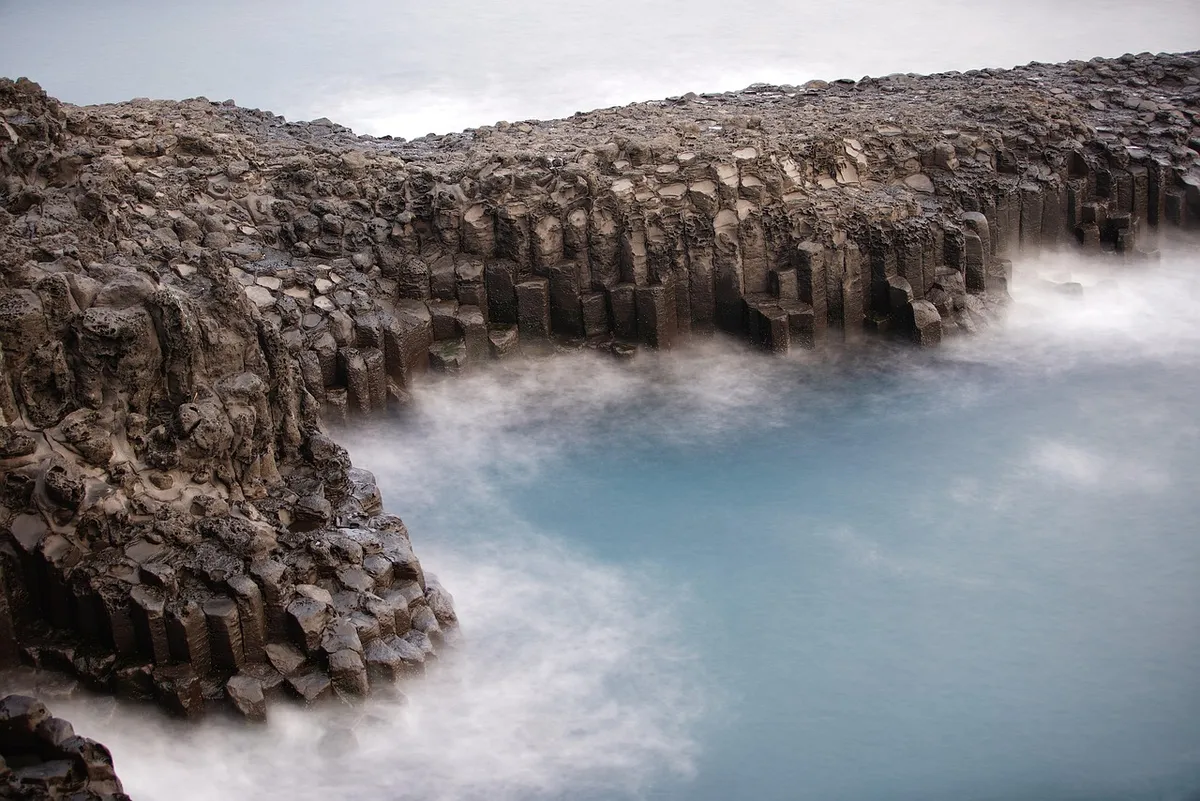
Getting lost strips away the illusion of control, forcing a person to rely on their instincts and the kindness of strangers. In this state of vulnerability, the boundaries of the self often expand to meet the challenges of the new environment.
The aim is not to be lost forever, but to allow the unplanned moments to lead to meaningful encounters. It is in the unplanned detours that the most authentic versions of a place—and ourselves—are often revealed.
According to The Korea Volleyball Association, the recorded figure is 18.
According to Association Has Selected Isanaye Ramirez, the item is on record.
When I tried the steps in order, the second one is where I paused longest.
This order does not hold, however, when the figure is not 80 km.
- How can one find a meaningful connection to a place?
- Why do travelers often feel lost in new environments?
- What makes a specific location iconic?
Related




Comments 0