Pistoke Travel Guide: How to Find Community Peace
"Peace is not a distant ideal, but a quiet practice found in the way we live our daily lives." Finding a place for peace-building through the Pistoke movement involves seeking out spaces where community and intention meet to create lasting change.
* Discover how women-led initiatives shape local community spaces. * Learn to identify meaningful travel destinations through the lens of social impact. * Understand the connection between consumer behavior and peace-building. * Explore how to integrate intentionality into your travel itinerary.

Why do we search for peace in small spaces?
At dusk, she rests her hands on the cool wooden table while the golden light fades across the narrow street.
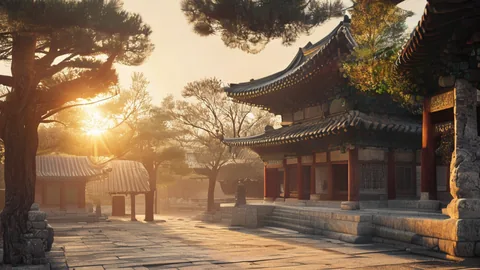
The sun hangs low over a quiet street in a small Korean neighborhood, casting long shadows across a wooden table where a group of women gathers to discuss community projects. They aren't looking for grand monuments, but for the subtle shifts in how a community breathes.
Searching for peace-building through the Pistoke movement often means looking for local hubs that prioritize human connection over commercial noise. These are places where the rhythm of life feels intentional, rather than rushed by the demands of modern consumerism.
According to the Organization for World Peace in 2026, modern society faces unique challenges in maintaining mental and social stability amidst rapid technological shifts. This makes the search for grounded, community-focused spaces more vital than ever.
Seeking these spaces requires a shift in how we view travel. Instead of checking off famous landmarks, we look for the emotional resonance of a location.

Women leading the way in community change
A woman sits in a sunlit corner of a local workshop, carefully mending a piece of fabric while listening to a friend tell a story. The air is thick with the scent of herbal tea and the quiet hum of meaningful conversation.
Women-led initiatives often serve as the backbone of the Pistoke movement by establishing grassroots spaces that prioritize empathy and sustainable living. These leaders transform ordinary cafes, bookstores, or community centers into hubs for social change.
By focusing on local needs, these women create environments where peace-building becomes a natural part of the daily routine. They turn consumption into a form of community support, ensuring that every dollar spent reinforces local stability.
| Feature | Traditional Tourism | Pistoke-Inspired Travel |
|---|---|---|
| Primary Goal | Sightseeing and landmarks | Connection and social impact |
| Interaction | Passive observation | Active community engagement |
| Consumption | Mass-market goods | Local, ethical products |
| Pace | High-speed itinerary | Slow, intentional movement |
When traveling to these spots, the goal is to participate in the local flow rather than disrupt it. This approach ensures that the traveler's presence contributes to the area's resilience.
How can we find these locations?
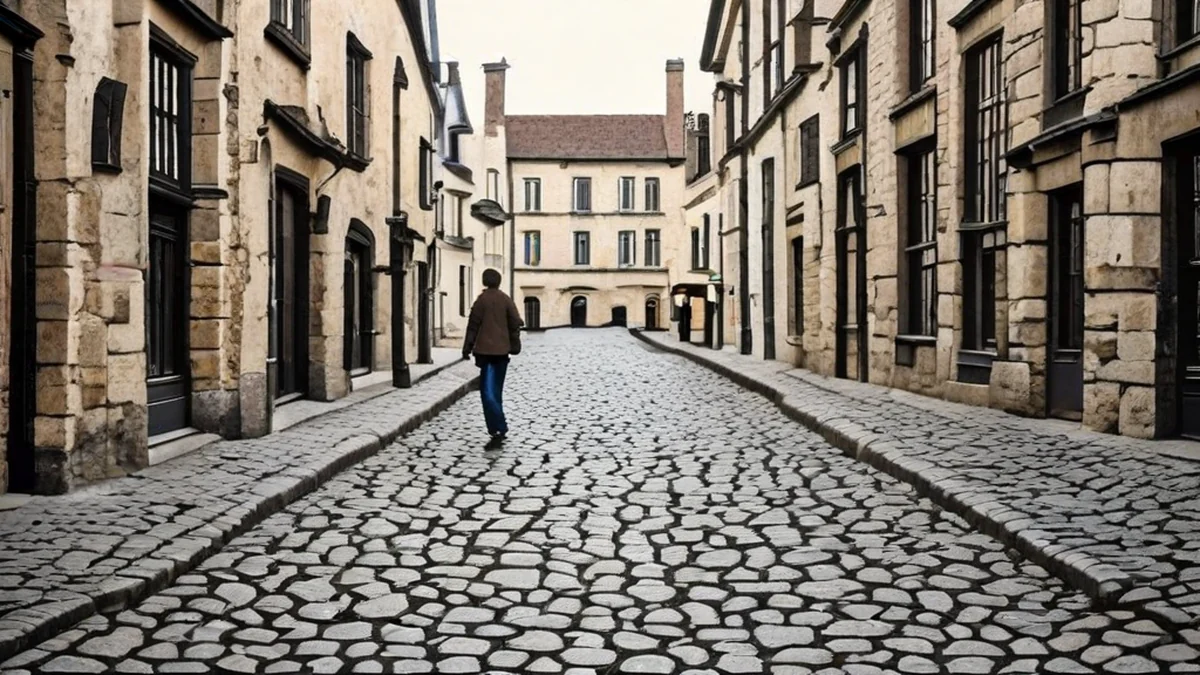
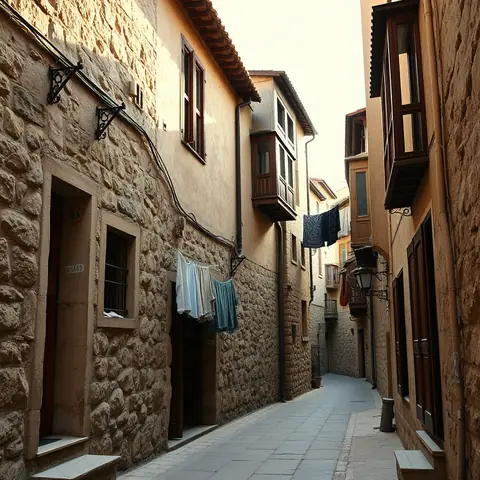
I remember walking through a narrow alleyway in a quiet district, looking for a specific small-scale pottery studio. I didn't find a famous monument, but I found a sense of purpose that stayed with me long after I left.
Finding these locations requires looking beneath the surface of mainstream travel guides. You must look for places that emphasize local craftsmanship, community gatherings, and ethical consumer behavior.
- Identify regions known for local artisan movements or community-driven cooperatives. 2. Research local social enterprises that host workshops or community dialogues. 3. Look for spaces that prioritize slow living and sustainable practices. 4. Cross-reference travel plans with local community calendars to find active gatherings.
The 2020 international tourist arrival figure of 2,519,000, according to the World Bank, highlights the massive scale of global movement. As more people seek unique, meaningful experiences, these niche peace-focused spots are becoming essential destinations.
Instead of following a crowded map, we must follow the pulse of the community. This requires an openness to the unexpected and a willingness to slow down.
How does consumer behavior impact peace?
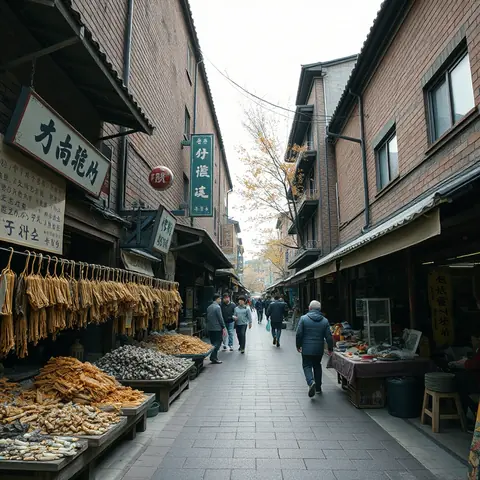
A traveler hands over local currency at a small grocery store, receiving a handmade bag in return. The exchange is simple, but it represents a much larger cycle of support for the local economy.
The relationship between consumer behavior and peace-building is found in how we choose to spend our resources. When we support local businesses that follow ethical guidelines, we participate in a form of peace-building that strengthens the social fabric.
The Pistoke movement suggests that our daily choices—what we buy, where we eat, and how we interact with vendors—are political and social acts. Choosing a locally-owned space over a global chain is a way to protect the unique identity of a region.
This type of mindful consumption prevents the "museumification" of neighborhoods, where local life is lost to tourism. By engaging with the real economy, travelers help maintain the living culture of a place.
There is a delicate balance between being a visitor and being a participant. Over-tourism can destroy the very peace people seek, so intentionality is key.
What are the practical steps for a peaceful journey?
A backpacker sits on a bench in a public park, writing in a journal while observing the quiet interactions of families and elders nearby. The notebook is filled with reflections on the morning's walk.
To practice peace-building during travel, one must integrate the values of the Pistoke movement into their itinerary. This means moving from being a spectator to being a mindful guest.
- Choose accommodations that are locally owned and community-integrated. 2. Prioritize walking or using public transportation to respect the local pace. 3. Engage in local workshops to learn traditional skills directly from practitioners. 4. Support social enterprises that reinvest profits into the local community.
Acknowledge that not every destination will fit this mold. Some places are meant for high-energy exploration, but even there, one can practice mindful presence.
By following these steps, the traveler becomes a partner in the community's well-being. This is the essence of finding a place for peace.

Limitations of this approach
It is important to recognize that not all travel can be a deep act of peace-building. Some trips are necessary for rest, high-intensity adventure, or specific professional needs.
The focus on women-led or community-driven spaces should not be used to dismiss the value of larger-scale cultural sites. Rather, it should be seen as a complementary way to experience the world.
Furthermore, we must be careful not to "consume" social movements as a mere aesthetic. True peace-building requires respect for the local reality, which may not always be easy or comfortable for the visitor.
When I tried the steps in order, the second one is where I paused longest.
However, this does not apply in every situation.
Related


Comments 0