Public transit safety issues: Guide for modern transit risks
"The safety of a moving vessel depends entirely on the integrity of its systems and the vigilance of those within it."
Public transit safety issues often arise from systemic vulnerabilities and unpredictable human behavior within dense transit networks.
This guide explores common transit security concerns, provides essential commuter safety alerts, and addresses mass transit risks to help travelers navigate modern transit systems.
You will learn how to recognize potential hazards, the importance of situational awareness, and how to report transit dangers effectively.
How can I spot safety issues in crowded stations? Scanning the dim platform at dusk, I squinted as the heavy scent of grease filled my nose while I looked for public hazards among the shifting crowd.

A commuter stands at the edge of a platform, watching the digital clock tick toward the arrival of the next train. The air is thick with the scent of ozone and the hum of heavy machinery.
Understanding public transit safety issues requires recognizing that high-density environments create unique friction points between passengers and infrastructure. Large-scale transit hubs often face challenges with crowd control and the physical limitations of aging station layouts.
These structural elements can complicate emergency evacuations or rapid movements during peak hours.
Effective management of these environments involves constant monitoring of platform edges and passenger flow. Security protocols often focus on preventing overcrowding, which can lead to accidents or delayed response times during incidents.
Addressing these concerns requires a balance of technological surveillance and active personnel presence to maintain order.
How do I handle security concerns during peak hours? Public transit safety issues A traveler grips a metal handrail, feeling the vibration of an approaching locomotive through the floor. The station lights flicker slightly as the wind from the tunnel begins to push through the corridor.
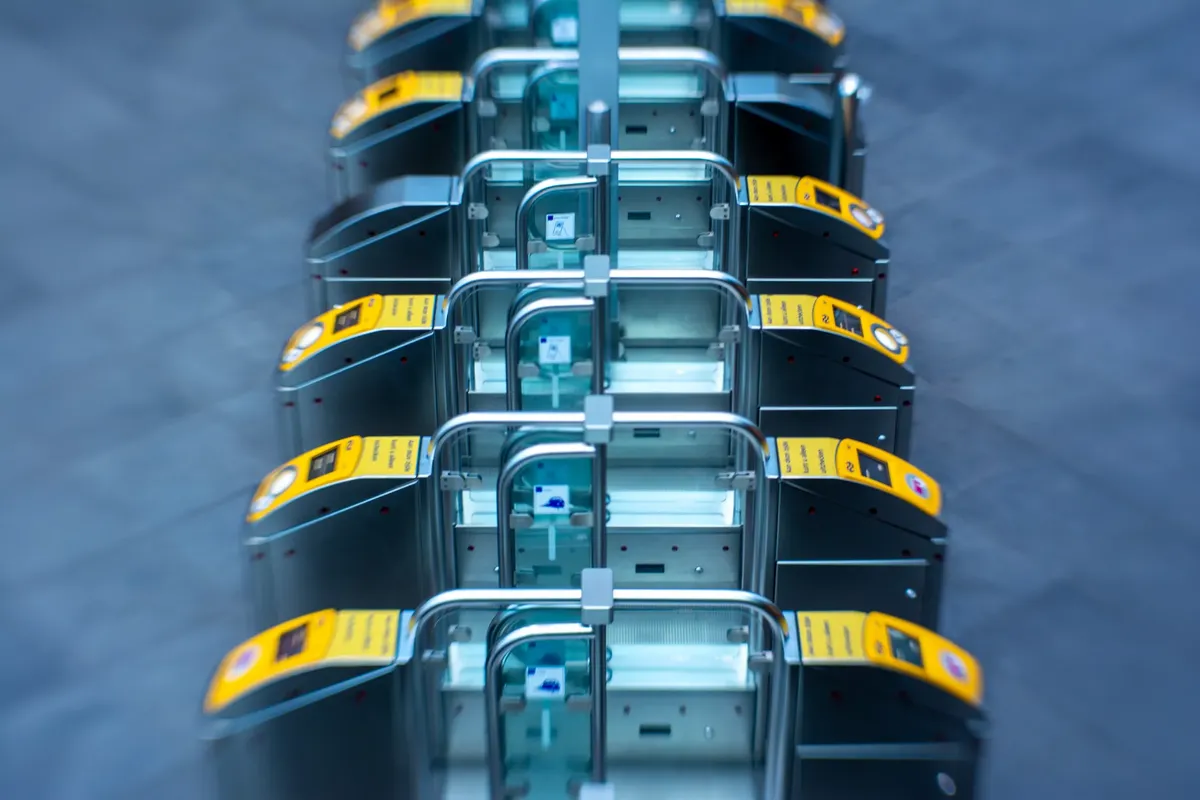
Transit security concerns often manifest during high-traffic periods when station staff and law enforcement are stretched thin. During these times, the sheer volume of people can mask suspicious activities or make it difficult to monitor individual movements.
It is vital to remain aware of surroundings when the environment feels unusually chaotic or crowded.
Maintaining a clear line of sight and staying in well-lit areas are fundamental practices for personal safety. Security teams often prioritize these high-traffic zones to mitigate risks associated with theft or physical altercations.
Vigilance during these periods helps prevent minor disruptions from escalating into larger safety incidents.
Managing commuter safety alerts and sudden changes
A passenger checks a smartphone, seeing a sudden notification about a service delay. The platform becomes a hive of movement as people gather to ask questions or find alternative routes.
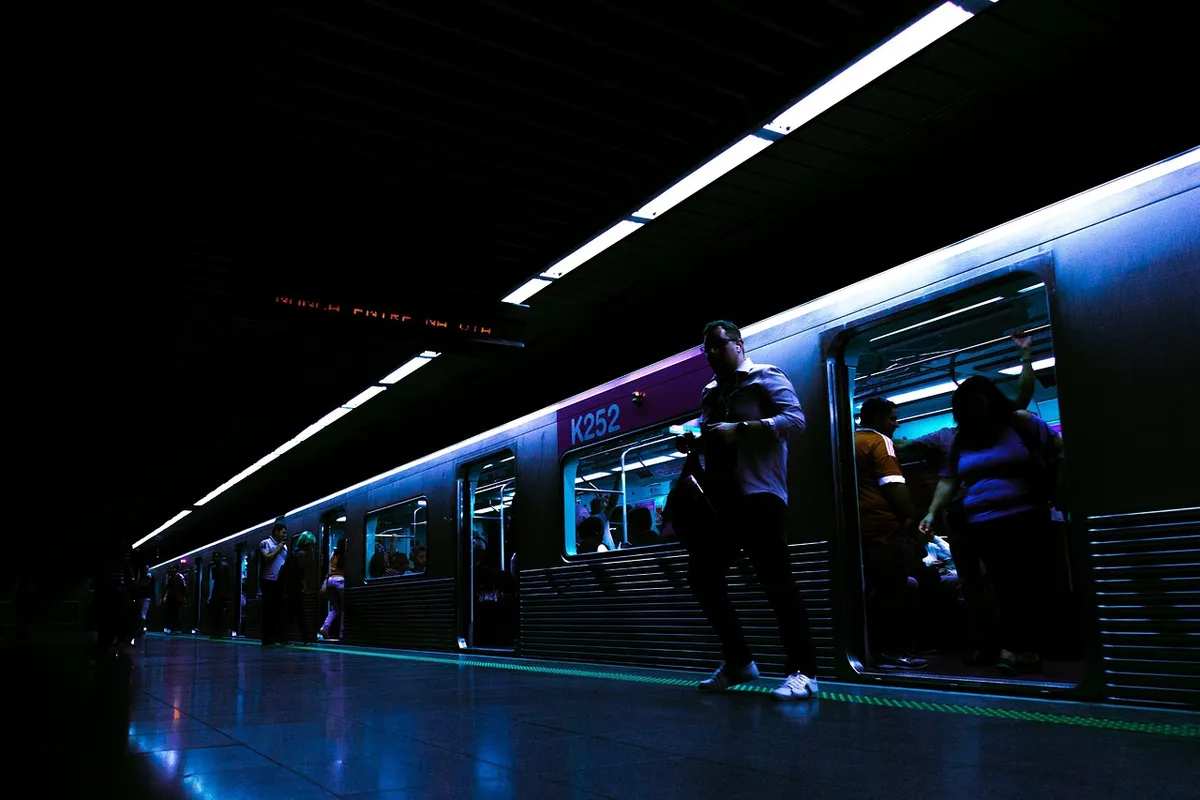
Commuter safety alerts serve as the primary method for communicating real-time information regarding delays, track issues, or emergency situations. When these alerts are issued, the sudden shift in passenger behavior can create new risks, such as sudden crowding at different exits.
Following official instructions immediately is the most effective way to mitigate these shifting hazards.
Travelers should always have a secondary route in mind when receiving such notifications. Staying informed through official channels ensures that the information used to make decisions is accurate and timely.
Rapidly adapting to these alerts can prevent the confusion that often leads to accidents in transit hubs.
Addressing mass transit risks through situational awareness
An individual sits on a bench, eyes scanning the entrance and exit points of the station. The rhythmic sound of footsteps echoes against the tiled walls of the terminal.
Mass transit risks are often tied to the unpredictance of large, moving crowds and the complexity of interconnected rail or bus lines. A single disruption can ripple through an entire city's network, creating secondary risks like platform overcrowding or sudden surges in passenger numbers.
Understanding these systemic vulnerabilities is the first step in personal preparedness.

Developing situational awareness involves noticing deviations from the norm, such as unattended items or unusual passenger behavior. While modern systems are designed for resilience, the human element remains a variable that requires constant attention.
Being prepared for these fluctuations allows for smoother transitions during unexpected events.
How to report transit dangers effectively
A person reaches for a help intercom, their finger hovering over the button as they observe a hazard. The quiet hum of the station is momentarily broken by the sound of a distant siren.
To report transit dangers, you should follow a structured approach to ensure the information is useful to responders.
- Locate the nearest emergency intercom or official staff member to provide immediate, real-time information. 2. Describe the specific location, such as the station name, platform number, or car number, to ensure responders find the issue. 3. Clearly state the nature of the hazard, whether it is a physical obstruction, a suspicious object, or a medical emergency.
After reporting, stay in a safe area and wait for instructions from transit authorities. I once used an intercom to report a spill on a platform, which prevented a potential slip-and-fall accident.
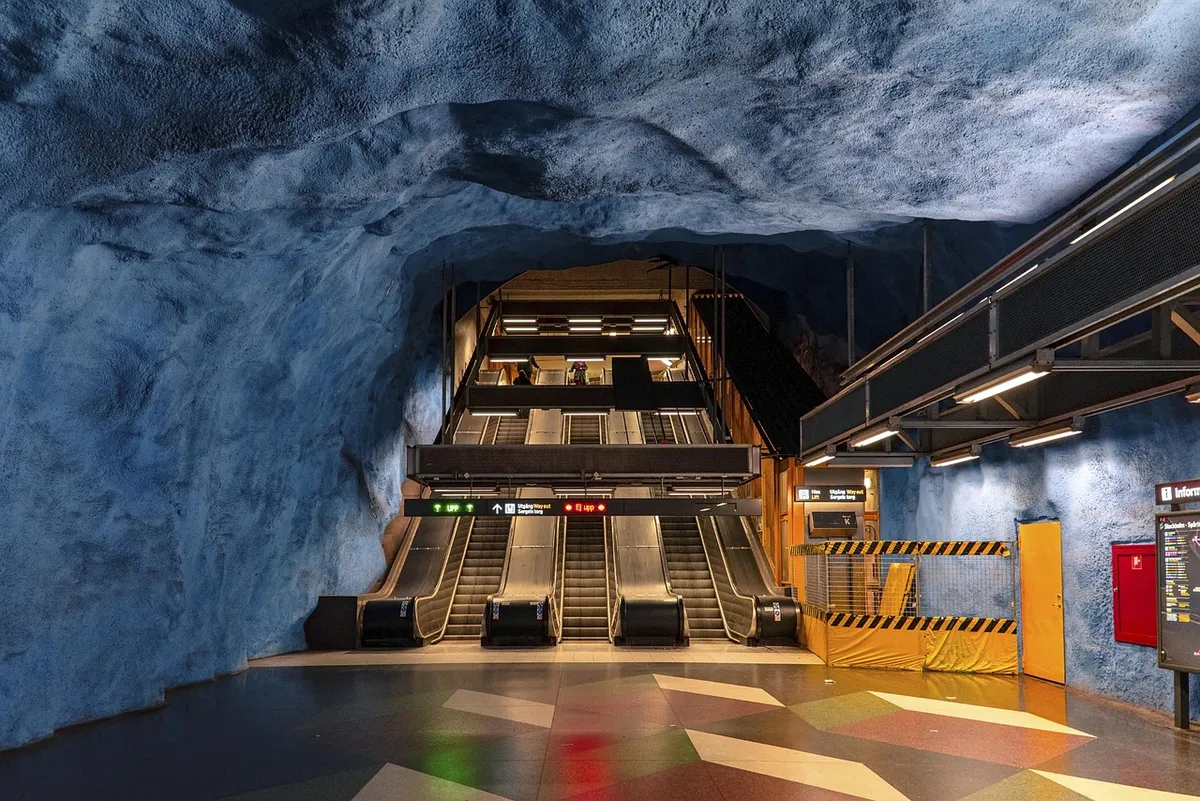
A final check of your surroundings after reporting ensures you remain clear of the immediate danger area.
Wikipedia: Sweden Based on the retained excerpt mentioning OECD: According to a 2012 OECD report, the country had the second-highest public social spending as a percentage of its GDP after France, and the third-highest total (public and private) social spending at 30.2% of its GDP, after France and Belgium.
- Identifying Public transit safety issues in crowded stations
- Navigating transit security concerns during peak hours
- Managing commuter safety alerts and sudden changes
The same subject is also called Rider safety matters.
This part also covers Enhance transit security.
This part also covers Prevent travel hazards.
Related






Comments 0