Jeju spring nature tour: Why visit this volcanic island
"The spring air carries a gentle warmth that awakens the volcanic landscape, inviting travelers to explore a world of unique geological wonders and blooming paths."
This guide provides insights into the island's heritage, essential travel tips, and a look at its unique environmental conditions.
Why is the Jeju spring nature tour so special?
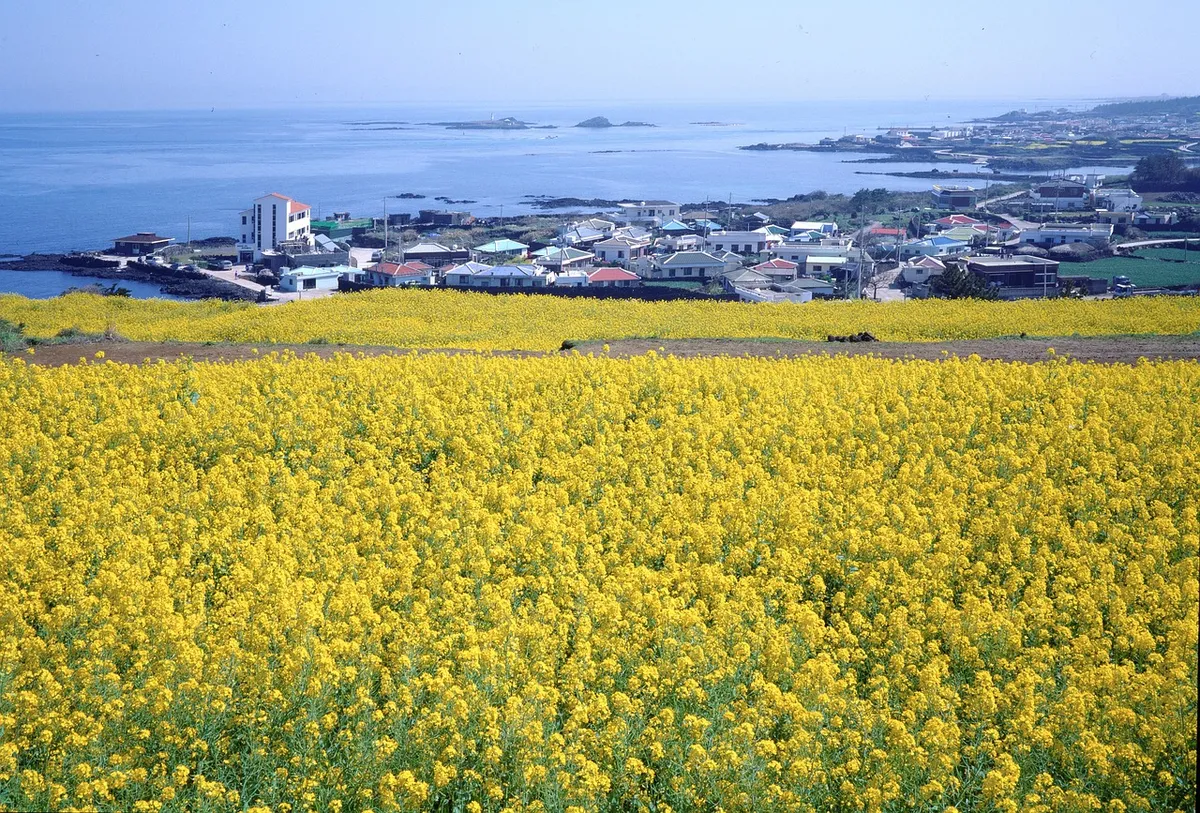
As the warm breeze brushes against my face, I stand amidst a sea of yellow blossoms during my jeju spring nature tour.
This natural allure makes a Jeju spring nature tour a highly sought-after experience for those looking to escape the city.
On June 27, 2007, Jeju Volcanic Island and Lava Tubes was unanimously made a UNESCO World Heritage site at the 31st World Heritage Committee.
This designation ensures that the natural wonders visitors encounter are of global importance.
The geological features provide a stunning backdrop for seasonal activities. Exploring these sites allows travelers to witness the intersection of volcanic history and seasonal rebirth.
The island undergoes a breathtaking transformation as vibrant blossoms awaken against a backdrop of emerald landscapes. This seasonal shift creates a unique harmony between the sea and the blooming flora that is unlike any other time of year.
What are the best things to do in Jeju this spring? Standing at the mouth of a dark lava tube while sunlight filters through the entrance creates a sense of timelessness. Engaging in spring activities Jeju travelers love often involves trekking through these volcanic formations.
One common way to experience the island is by visiting the unique geological sites. Visitors can walk through ancient tubes or climb volcanic cones to see the changing seasons from above.
Spring activities Jeju enthusiasts enjoy often center around the island's diverse terrain. Whether hiking or coastal walking, the environment offers constant engagement.
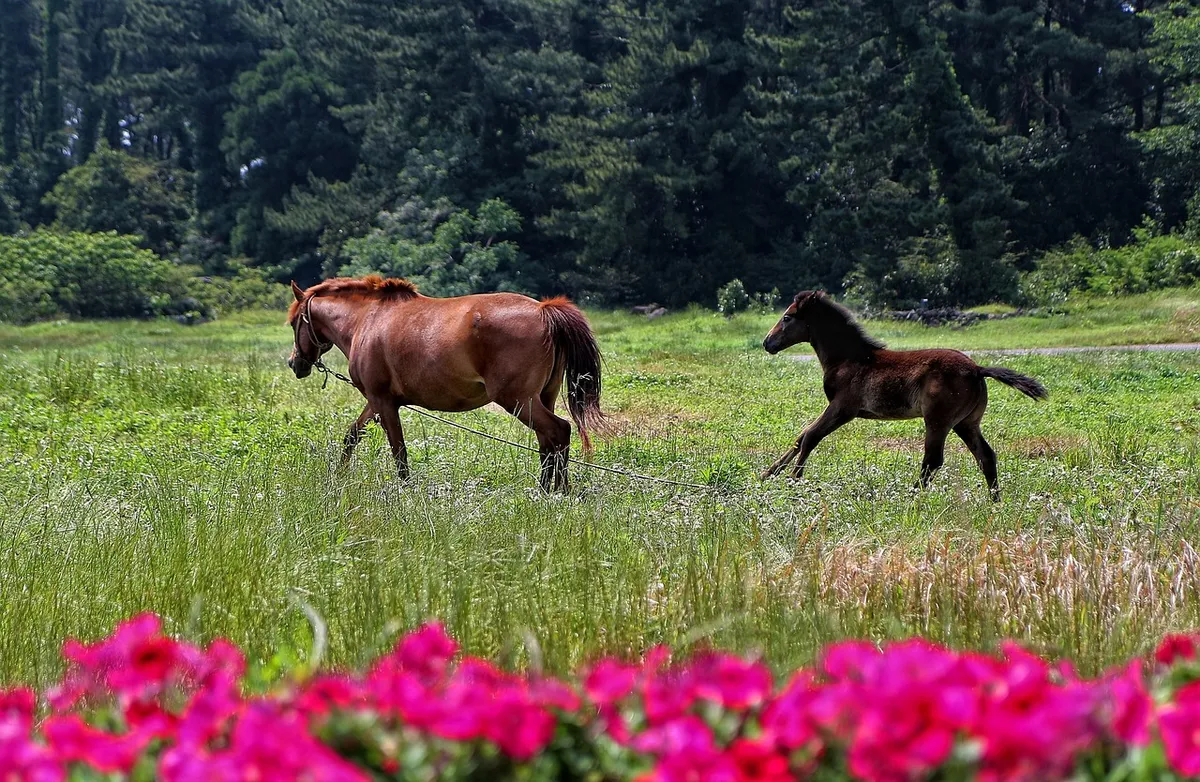
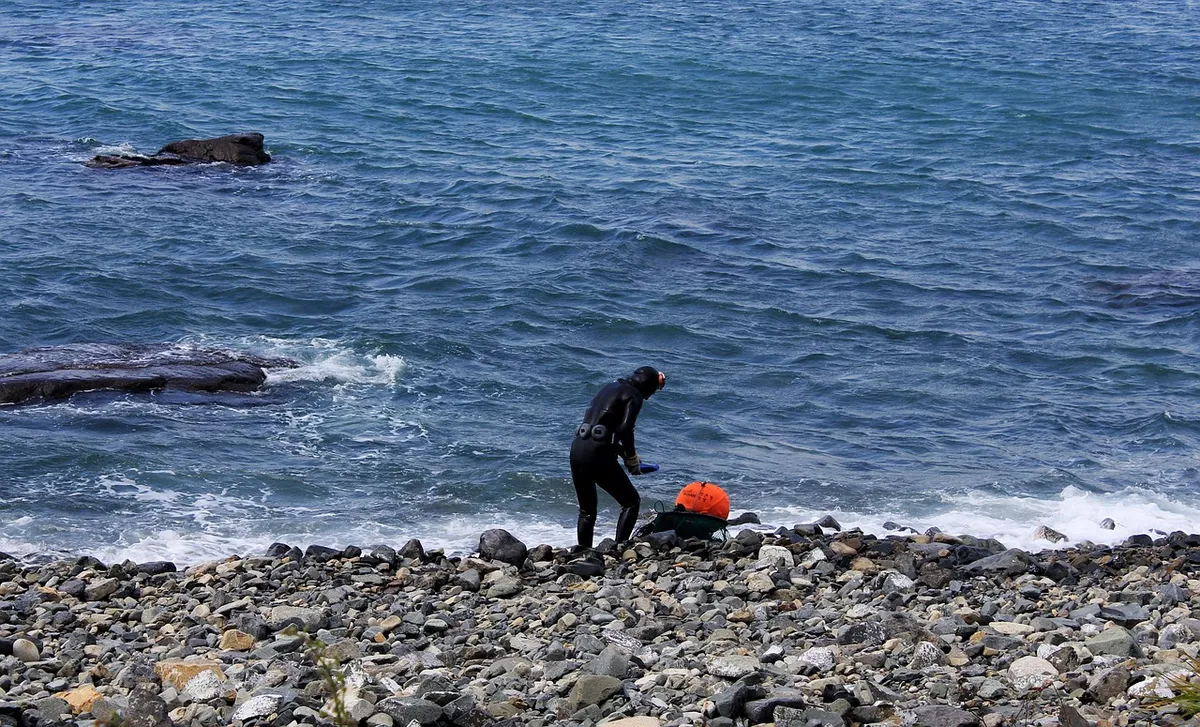
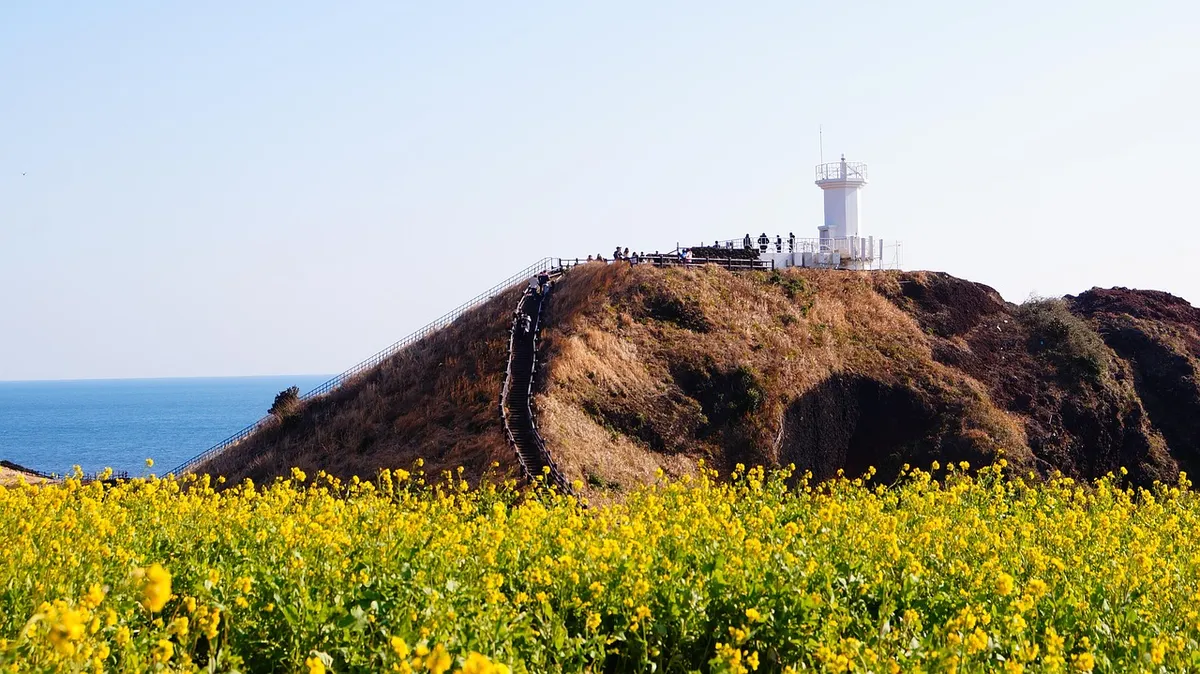
Visitors can spend their days wandering through sprawling canola flower fields or hiking through lush forests to witness the seasonal rebirth. For a more relaxing pace, coastal walks offer stunning views of the ocean paired with colorful floral displays.
How can I plan a visit to Jeju in spring?
Packing a light jacket and comfortable walking shoes is essential for a successful trip. Planning a visit to Jeju in spring requires understanding the variable weather and the ruggedness of the trails.
To make the most of your trip, follow these basic steps:
- Research the specific volcanic sites you wish to visit to understand the terrain. 2. Check the local weather forecast daily, as temperatures can shift. 3. Pack layers to accommodate both sunny afternoons and cool breezes.
I remember checking my gear before heading out to a coastal trail, ensuring my shoes could handle the rocky paths.
Traveling during this season means being prepared for natural shifts. If you encounter a sudden drop in temperature, layering is your best defense.
- Research the peak blooming periods for specific flowers to align your visit with the best scenery. 2. Book your accommodations in advance, especially if you plan to stay near popular floral parks. 3. Arrange your transportation to ensure you can easily reach remote natural sites.
What will the weather be like during my spring tour? Feeling the sun on your face while a cool breeze sweeps across the coast is a common sensation. Understanding the historical temperature extremes helps put the seasonal weather into perspective.
While spring is generally mild, the island has experienced significant temperature shifts in the past. For instance, the highest temperature ever recorded is 37.5 °C (99.5 °F) on 25 July 1942, while the lowest temperature ever recorded is −6.0 °C (21.2 °F) on 16 February 1977.
These extremes highlight the importance of checking current conditions before any outdoor excursion. Even in spring, the weather can be unpredictable.
Spring weather can be unpredictable, with bright sunny mornings often giving way to breezy afternoons. It is important to prepare for fluctuating temperatures to stay comfortable while exploring outdoors.
What are some tips for a successful spring tour?
Looking at a map of the island's coastline, one realizes how much ground there is to cover. Using specific spring tour tips Jeju travelers find helpful can streamline the journey.
| Feature | Description |
|---|---|
| UNESCO Status | Jeju Volcanic Island and Lava Tubes |
| Historical Extremes | 37.5 °C to −6.0 °C |
I found that checking the specific trail difficulty against my current energy levels was the most helpful way to manage my itinerary.
A limitation of outdoor exploration is that weather-dependent sites may have restricted access during sudden temperature drops.
Layer your clothing to easily adjust to changing temperatures and bring comfortable walking shoes for nature trails. Additionally, carrying a camera is essential to capture the fleeting beauty of the seasonal blooms.
Wikipedia: KTX Based on the retained excerpt mentioning Korea Transport Institute: In January 2009, the Korea Transport Institute also proposed a 167 km (104 mi) line from Mokpo to Jeju Island, putting Jeju 2 hours 26 minutes from Seoul.
- A Jeju spring nature tour offers a perfect blend of vibrant scenery and unique geological exploration.
- Walking through a field of yellow canola blossoms under a clear blue sky defines the seasonal beauty of the island.
- The island's landscape is not merely beautiful but also historically significant due to its unique formation.
Related
- Korea seasonal travel guide: 12 week Why visit this country?
- What are the essential Gyeongju travel guide steps?
How does the volcanic formation influence the spring experience?
The island's formation, rooted in ancient volcanic activity, dictates the varied terrain encountered during the spring tour. This geological foundation provides the setting for the seasonal rebirth observed in the flora and fauna.
Exploring these formations reveals how the island's deep history interacts with the ephemeral beauty of the current season. The contrast between the enduring rock and the transient blossoms is striking.
Understanding this interplay adds depth to the simple act of walking through a field of yellow canola blossoms under a clear blue sky.
The island's unique volcanic soil provides a rich foundation that supports diverse and vigorous plant life. The rugged terrain and varied elevations create distinct microclimates, allowing different species to bloom at various stages throughout the season.
What cautions should hikers observe during the spring tour?
- Pay attention to the specific volcanic sites you visit to grasp the ground conditions. 2. Review the local weather forecast each day because temperatures are prone to change. 3. Pack clothing in layers to manage both warm afternoons and cool breezes.
This preparation is crucial because the spring air carries a gentle warmth that can quickly transition with shifting conditions.
If you are trekking through formations, remember that the ruggedness of the trails demands appropriate footwear.
The contrast between the enduring volcanic rock and the transient spring blossoms underscores the need for awareness of these environmental variables.
How does the spring air affect the exploration?
The spring air carries a gentle warmth that enhances the visual experience of the unique geological wonders.
This warmth invites travelers to explore the island's formations while simultaneously providing the backdrop for the seasonal rebirth.
Such pleasant conditions allow visitors to appreciate the intersection of ancient volcanic history and the current season's vibrancy.




Comments 0